In brief
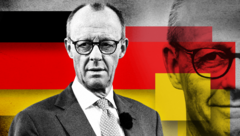
Merz, previously sidelined, is now a key player as he challenges traditional CDU values to appeal to voters ahead of the elections.
In the turbulent political arena of Germany, Friedrich Merz stands as a polarizing figure. Recently positioned as a possible future chancellor, Merz seeks to usher in a new era for the Christian Democratic Union (CDU). His supporters laud him as a refreshing alternative amid widespread discontent across Europe. However, Merz's approach has triggered alarming questions about the direction of his party.Born into a prominent conservative family in 1955, Merz's political journey has been anything but predictable. His recent attempts to tighten immigration rules, bolstered by far-right Alternative für Deutschland (AfD) votes, mark a stark shift from the centrist path set by his predecessor, Angela Merkel. Although unsuccessful in passing new legislation, his bold strategy has set the stage for an electrifying election campaign, following the collapse of Chancellor Olaf Scholz's government.At an event in Berlin, Merz projected a polished image as CDU's leader, despite murmurs of skepticism about his past claim to political prowess. He enjoyed youthful adventures, including racing motorcycles and mischief in school, but many doubt his darker side stems from another era. The tale of his past adds an intriguing layer to his current political persona—one of ambition tempered by the brutal realities of political battle.His political trajectory saw him unseat Merkel's established power, but Merz's journey has not been smooth. His failure to secure CDU leadership in the past and recent backlash against his collaboration with AfD illustrates the rifts emerging within the party. Critics accuse him of courting dangerous affiliations, while supporters believe he's cleverly wooing voters from the far-right.With upcoming elections looming, the clock is ticking for Merz to solidify support and redefine his image. Whether he can successfully navigate these treacherous waters remains to be seen, but one thing is clear: the political climate in Germany is anything but dull. Observers from Brussels and beyond watch closely, hoping for change amid uncertainty.