In brief
On Sunday, Poland will make a critical decision in its presidential election as liberal mayor Rafal Trzaskowski faces off against conservative historian Karol Nawrocki. With tight polls and significant implications for the pro-EU government, both candidates are rallying support while navigating challenges, including voter sentiment towards polarized issues.
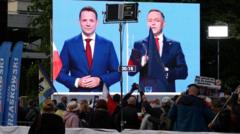
Article Text:Poland is gearing up for a decisive presidential election this Sunday, with a close contest between liberal mayor Rafal Trzaskowski and conservative historian Karol Nawrocki. Recent opinion polls indicate the two candidates are neck and neck, making this election pivotal for the future of Poland's pro-EU stance. While the role of president is largely ceremonial, it carries the power to veto legislation, which could significantly impact the current coalition government's ability to pass laws. Nawrocki, a fierce critic of Donald Tusk's coalition, is expected to wield this veto power akin to the outgoing President Andrzej Duda, who is ineligible to run for a third term.The current Prime Minister, Tusk, has faced hurdles in fulfilling campaign promises, particularly regarding women's rights and judicial independence, due to Duda's vetoes and internal coalition divisions. After winning the election's first round in May, Trzaskowski has expressed commitment to collaborating with the government to achieve reforms.Key to the outcome will be voter mobilization, especially from supporters of the far-right candidates who previously placed third and fourth in the first round. Their votes will play a crucial role, with some aligning with Nawrocki's conservative policies, while others express doubts over his stances on state welfare.At their recent rallies in Warsaw, both candidates showcased their nationalist support. Nawrocki's supporters waved Polish flags and denounced Tusk, emphasizing patriotism and family values, while Trzaskowski leaned on a more European identity, connecting with younger, urban voters advocating for civil rights.Nawrocki, 42, known for his tenure leading the Institute of National Remembrance, has been branded a "strongman" candidate and has faced scrutiny over past allegations, which he contests vigorously. His campaign gained traction with endorsements from prominent figures like U.S. Homeland Security Secretary Kristi Noem, who praises him as a leader reminiscent of Donald Trump.Conversely, Trzaskowski, the 53-year-old mayor of Warsaw, is promoting his image as an experienced politician with a sophisticated understanding of European cooperation. He draws support from voters who desire a liberal approach, especially concerning rights for LGBTQ+ individuals and immigration policies.As Poland approaches this crucial electoral moment, the impact of each candidate's promises and the strategic voter outreach will determine not only the political landscape but also Poland's trajectory within Europe amidst ongoing regional challenges.