In brief
The New Zealand Herpes Foundation's audacious ad campaign cleverly destigmatizes herpes, bagging a prestigious award for its humor and creativity while tackling a taboo topic.
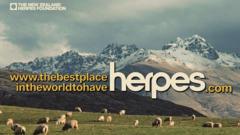
The New Zealand Herpes Foundation launched a unique campaign last October, declaring it the "best place" to have herpes as a way to combat the stigma surrounding the infection. This bold move paid off, as the campaign recently won the Grand Prix for Good at the Cannes Lions awards, a showcase for outstanding work by non-profits. The heart of the campaign features a faux tourism ad starring Sir Graham Henry, renowned ex-coach of New Zealand's national rugby team. In the humorous clip, he spins a narrative of lost national pride - lamenting the country’s disappointing sheep-to-human ratio and soaring pie prices. He concludes, boldly scrawling "HERPES" on a chalkboard, suggesting the country needs something extraordinary to rally behind. The campaign continued with a faux "herpes destigmatisation course," featuring other Kiwi icons like former health chief Sir Ashley Bloomfield and boxer Mea Motu. David Ohana of the UN Foundation praised the campaign's approach, stating it flipped a taboo topic into something positive and relatable through comedy. Despite around one in three Kiwis being carriers of the virus, the campaign aimed to replace misinformation and discomfort surrounding herpes with humor. Alaina Luxmoore from the Foundation remarked on its massive reach, emphasizing that the comedic undertones played a crucial role in its success.