As the world grapples with unprecedented temperatures, new data from the European Copernicus climate service reveals that 2024 is the first year to surpass the critical 1.5°C threshold in global warming. Though this does not officially breach the long-term target set by countries a decade ago, it signals a concerning trend in climate change.
UN Secretary-General António Guterres has labeled these soaring temperatures a "climate breakdown," urging nations to make significant cuts in fossil fuel emissions by 2025. According to the Copernicus data, average temperatures in 2024 logged in at about 1.6°C above pre-industrial levels—over 0.1°C hotter than the previous record set in 2023, marking the last decade as the warmest on record.
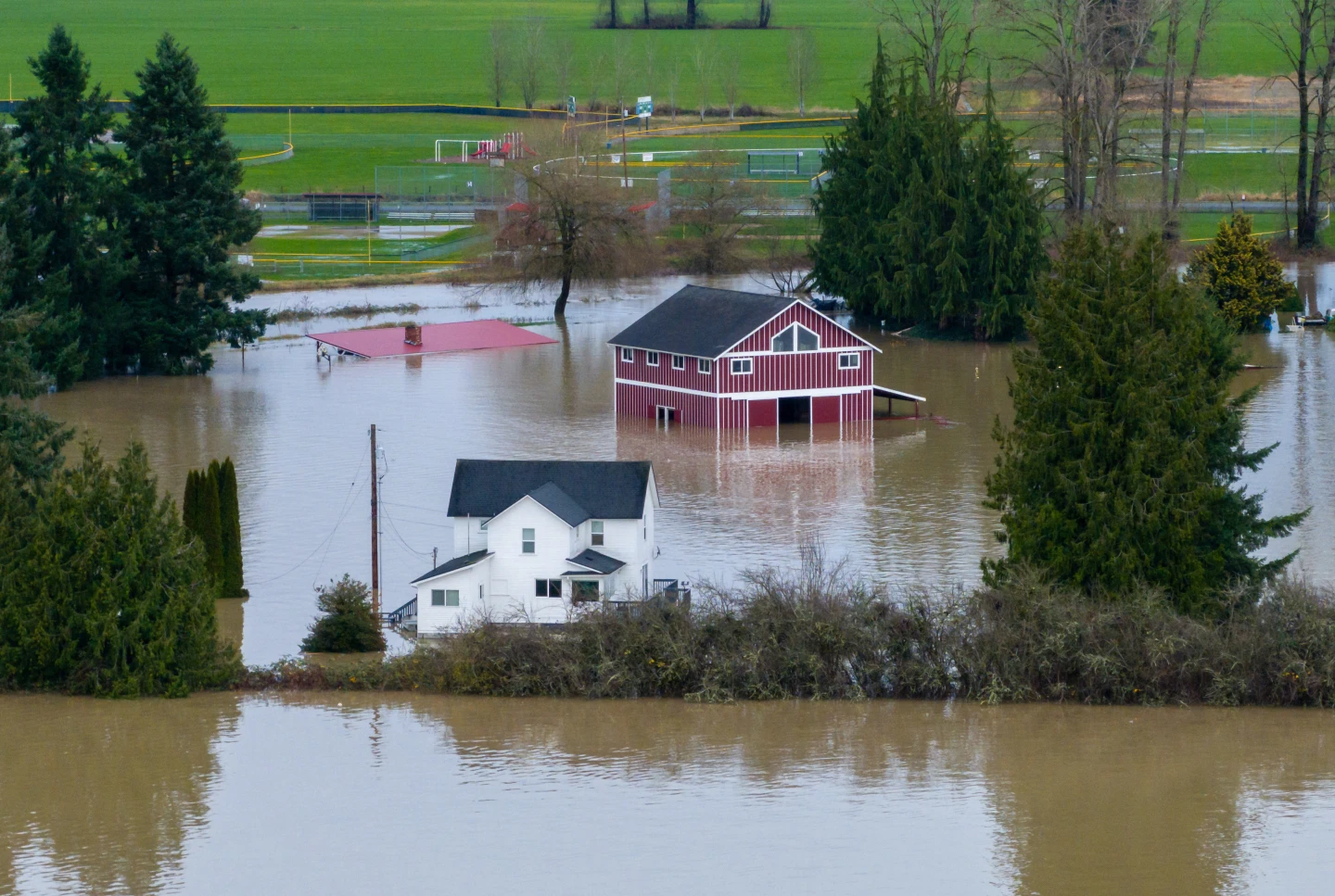
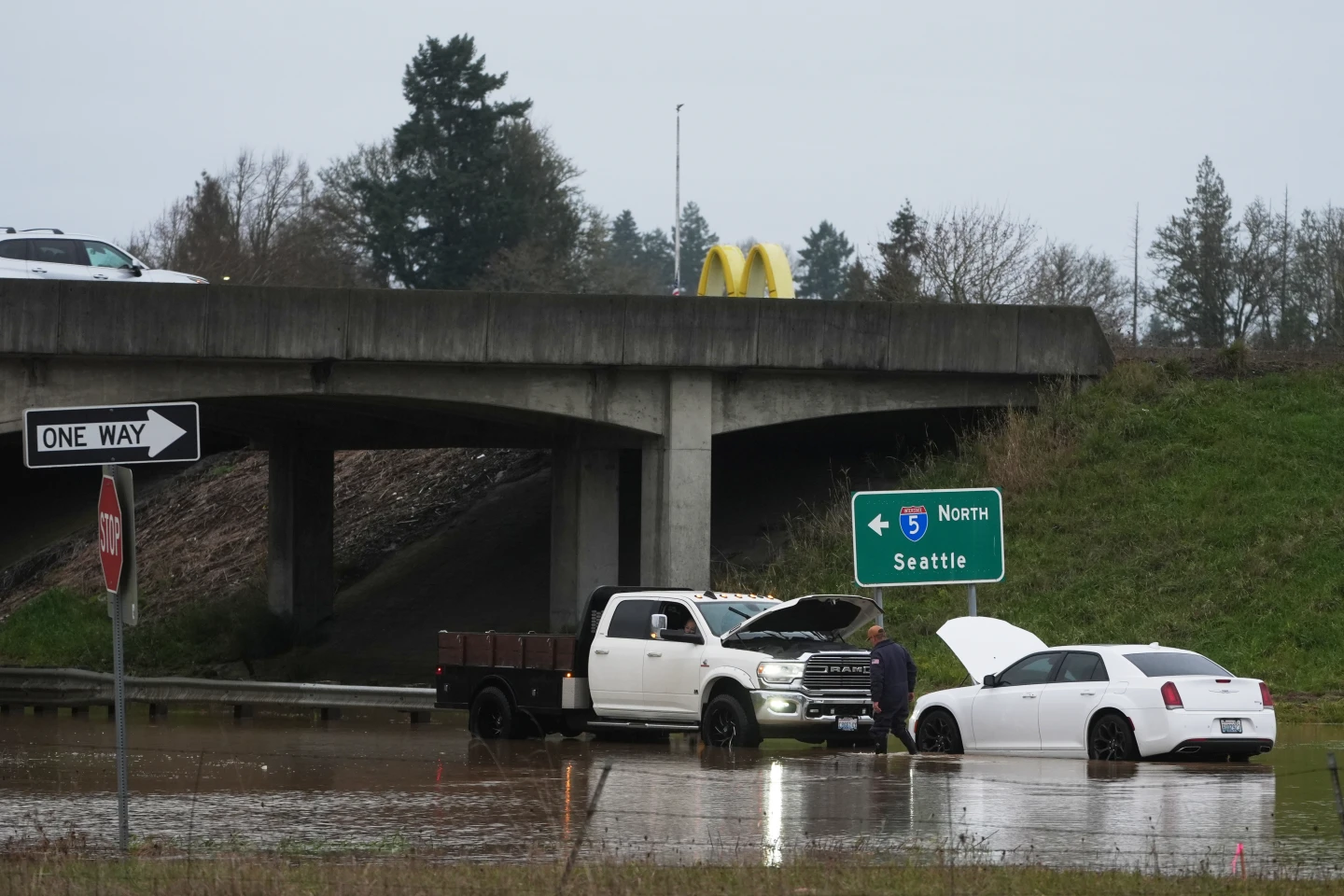
Climate scientists attribute these blistering temperatures primarily to greenhouse gas emissions, compounded by the natural weather patterns of El Niño. With records shattered, including extreme heatwaves and rising sea levels, a worrying question looms: When will the world breach the long-term 1.5°C threshold? Experts estimate it could occur in the early 2030s, but the impacts of even small increments in warming can exacerbate extreme weather events.
Despite the grim statistics, scientists maintain that immediate actions can still alleviate further temperature rises. "Even if we can't maintain 1.5 degrees, we could limit warming to 1.6°C or 1.7°C with decisive action now," says Zeke Hausfather, a climate scientist, emphasizing the importance of reducing emissions to prevent catastrophic consequences.
As we step into 2024, the burden shifts to governments and individuals alike—it's time to act for the planet's future!