In brief
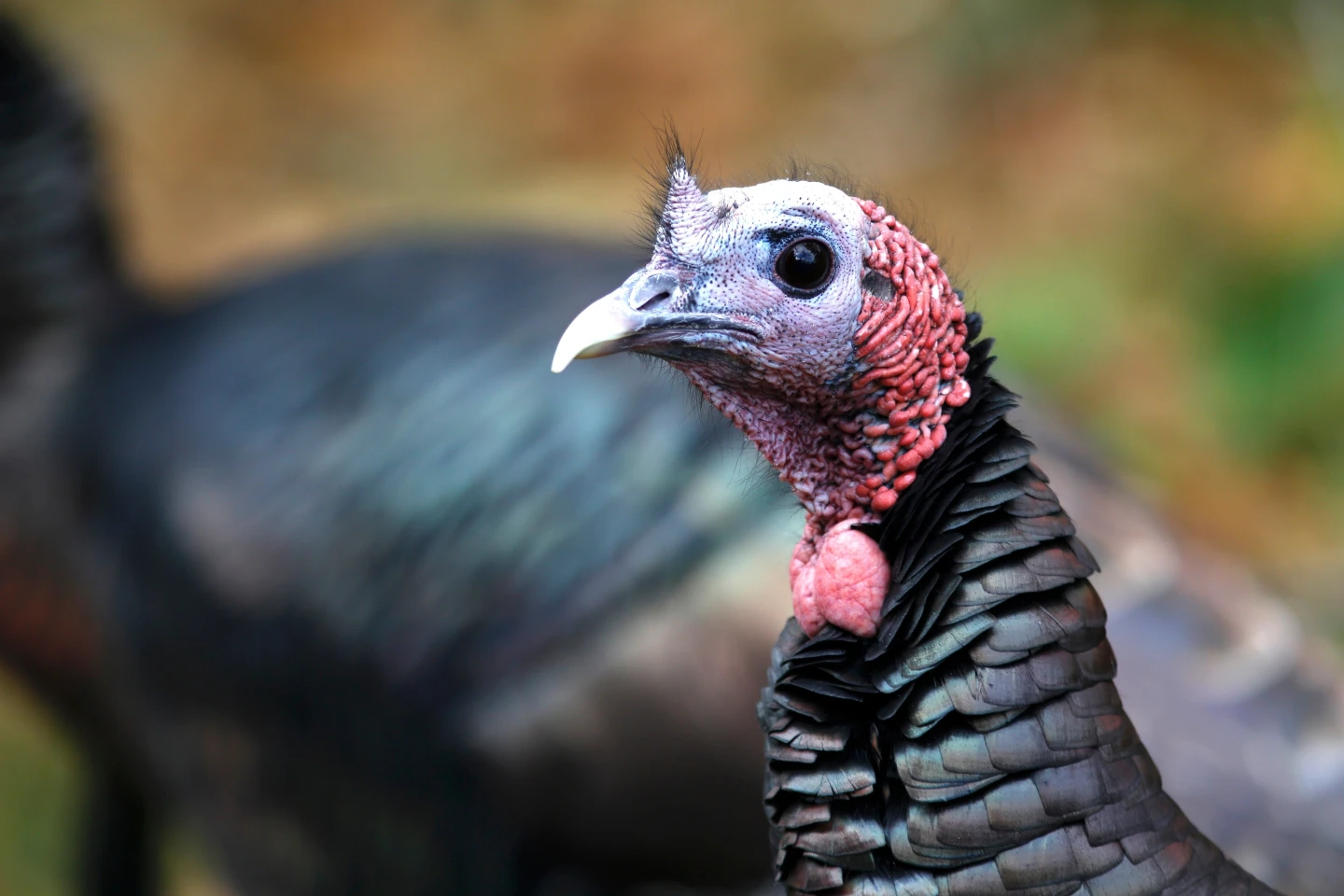
In the late 1800s, wild turkeys were at risk, dwindling to just a few thousand. Through creative wildlife trades, states successfully revitalized their turkey populations. Today, approximately 7 million wild turkeys inhabit the U.S., largely thanks to these conservation efforts that include trading native species like fishers and moose for turkeys. Conservationists highlight the importance of these birds in ecosystems and hunting, showing turkeys as crucial players in wildlife management.
Wild turkeys were once on the brink of extinction in the late 1800s, with only a few thousand left in the wild. Thanks to unique conservation strategies, including animal trades, their numbers have soared to around 7 million across North America.
The National Wild Turkey Federation notes that during restoration, species like fishers and moose were traded for turkeys, facilitating wildlife management. For instance, states like Oklahoma and Colorado swapped other wildlife for turkeys, indicating a cooperative approach to conservation.
As wildlife biologist Patt Dorsey states, Wildlife biologists don’t suffer from a lack of creativity. Restoration efforts were imperative due to past hunting pressures and habitat loss. Enhanced strategies included relocating wild turkeys rather than farming them, which significantly contributed to their resurgence.
New Hampshire's turkey population, initially introduced in the 1970s, has since thrived, showcasing remarkable adaptability to environmental changes. This success story exemplifies not only the importance of individual species but also a collaborative ethos among states to ensure the resilience of their ecosystems.