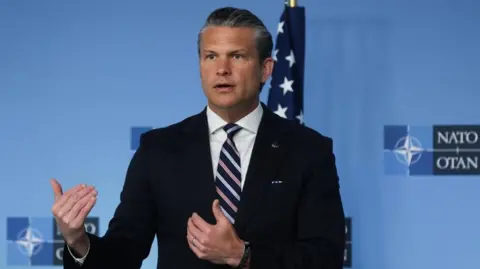
On day one, he put the world on notice. Nothing will stand in our way, President Donald Trump declared, to thunderous applause, as he ended his inauguration speech this year. But did the world fail to take enough notice?
Tucked into that speech was a mention of manifest destiny—the 19th-century doctrine that supported U.S. territorial expansion. Now, Trump’s desire for Greenland reflects an aggressive stance that has left many allies alarmed.
Historically, the U.S. has engaged in controversial interventions and occupations, but no president has threatened to seize territory from an ally. Trump's presidency is breaking those norms with concerns rising in capitals globally.
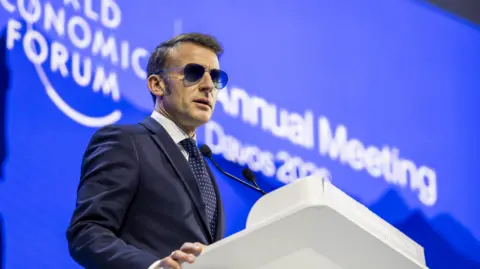
French President Emmanuel Macron warned of a world without rules, echoing the alarm felt by many at the Davos Economic Forum. Global dynamics are shifting, as Trump's administration seems to prioritize might over alliances, raising questions about the future of NATO and other long-standing agreements.
Surprisingly, Trump's defenders are supportive of his America First agenda, with reactions varying from alarm to confused acceptance internationally. Republican Congressman Randy Fine even introduced legislation to support the acquisition of Greenland.
Global leaders, from Canada to Europe, are recalibrating their strategies in response to Trump's unpredictable actions. As Canada’s Prime Minister Mark Carney stated, we are witnessing a rupture rather than a transition in international relations.
While Trump's bold approach continues to incite debate and concern across the globe, it's clear that his presidency is indeed shaking up the traditional world order that has persisted since World War II.