In brief
In a bold statement, China claims readiness for any form of conflict with the U.S. after escalating trade tensions and tariffs.
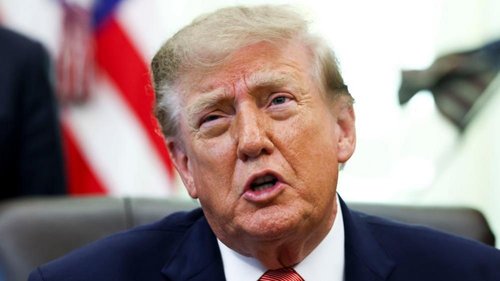
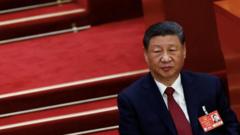
President Xi Jinping's China has issued a stern warning to the U.S. as increasing trade tensions heighten. With President Donald Trump slapping tariffs on Chinese goods, China has retaliated by imposing tariffs ranging from 10-15% on U.S. agricultural products. In a recent post on X (formerly Twitter), the Chinese embassy in Washington emphasized, “If war is what the U.S. wants, be it a tariff war or any other type, we're ready to fight till the end.” This declaration, one of the strongest since Trump's presidency began, coincides with the annual National People's Congress in Beijing, where Premier Li Qiang announced a 7.2% increase in China's defense spending. He warned of rapid global changes, asserting faith in China's economic stability despite looming uncertainties.China aims to project itself as a stable and peaceful nation, contrasting sharply with the U.S., which it accuses of military involvement abroad. Beijing appears intent on not escalating rhetoric unnecessarily, as it seeks to maintain potential global partnerships.The Premier's address also reiterated China’s commitment to attracting foreign investments, despite the ongoing trade war. While China has vocally stated its military readiness in past military drills, particularly around Taiwan, there remains a distinction between military preparedness and a willingness to engage in war.The Chinese foreign ministry criticized the U.S. for linking tariffs to the fentanyl crisis, calling it a "flimsy excuse." The ministry's statement also rejected U.S. bullying tactics, underscoring that intimidation will not deter China.Amid these rising tensions, the U.S.-China relationship remains one of the world's most contentious. Analysts note that the bold messaging from Beijing could bolster hardliners in Washington who view China as a significant economic and foreign policy challenge.As China navigates a property crisis and stagnant consumption, it has pledged substantial investments to its struggling economy during the ongoing National People's Congress. Despite existing military spending significantly lower than that of the U.S., China is believed to underreport defense expenditures.As the future of U.S.-China relations hangs in balance, both countries grapple with economic challenges and the implications of escalating tensions.