In brief
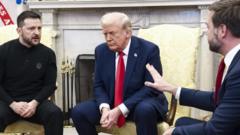
In a dramatic meeting, Vice President JD Vance confronted Ukrainian President Volodymyr Zelensky, challenging his diplomatic stance and stirring reactions among Republican lawmakers and the media. Vance's assertive approach marked a departure from typical vice-presidential protocol, showcasing his alignment with Trump's foreign policy views and potential ambitions toward a future presidential run.
In a notable exchange in the Oval Office last Friday, Vice President JD Vance didn’t hold back while engaging with Ukrainian President Volodymyr Zelensky. The meeting, intended as a cordial discussion, turned tense when Vance criticized Zelensky for expressing skepticism towards a specific type of diplomacy he claimed could aid Ukraine amid its ongoing conflict with Russia.“What kind of diplomacy, JD, are you speaking about?” Zelensky queried, visibly taken aback. Vance responded with a fiery retort, claiming that the Ukrainian leader was being "disrespectful" for his remarks during the meeting. The backdrop to Vance's criticism included accusations that Zelensky had campaigned with Democratic leaders while visiting the U.S. last year.Reaction from Republican senators was notably in favor of Vance's confrontation. South Carolina Senator Lindsey Graham expressed pride in Vance’s assertiveness, contrasting this approach with the more subdued roles typically observed in past administrations. Alabama Senator Tommy Tuberville went so far as to call Zelensky a "Ukrainian weasel," reflecting a growing sentiment among some GOP members.Vance has particularly established himself as Trump’s political brawler, known for his scepticism towards U.S. aid for Ukraine during his campaign for the Ohio Senate in 2022. His remarks and demeanor in the Oval Office suggested an emerging role where he could be positioning himself as a combatant on behalf of Trump’s administration.Traditionally, vice presidents have maintained a supportive and reserved role, especially during international affairs. However, Vance's confrontational tactics have also extended beyond Zelensky, as seen during a recent speech at the Munich Security Conference. His comments there reignited tensions with European leaders, criticizing their democratic practices and calling for more self-reliance in defense.As Vance's style continues to draw attention, questions linger regarding whether this confrontation was premeditated or indicative of a broader political strategy. With the Republican Party grappling with its direction, Vance's bold assertions might resonate with the base looking for a firm stance against foreign allies, setting the stage for his political evolution leading into the 2024 election cycle. Whether he is laying the groundwork for a future campaign or simply carrying out Trump's vision remains to be seen.