In brief
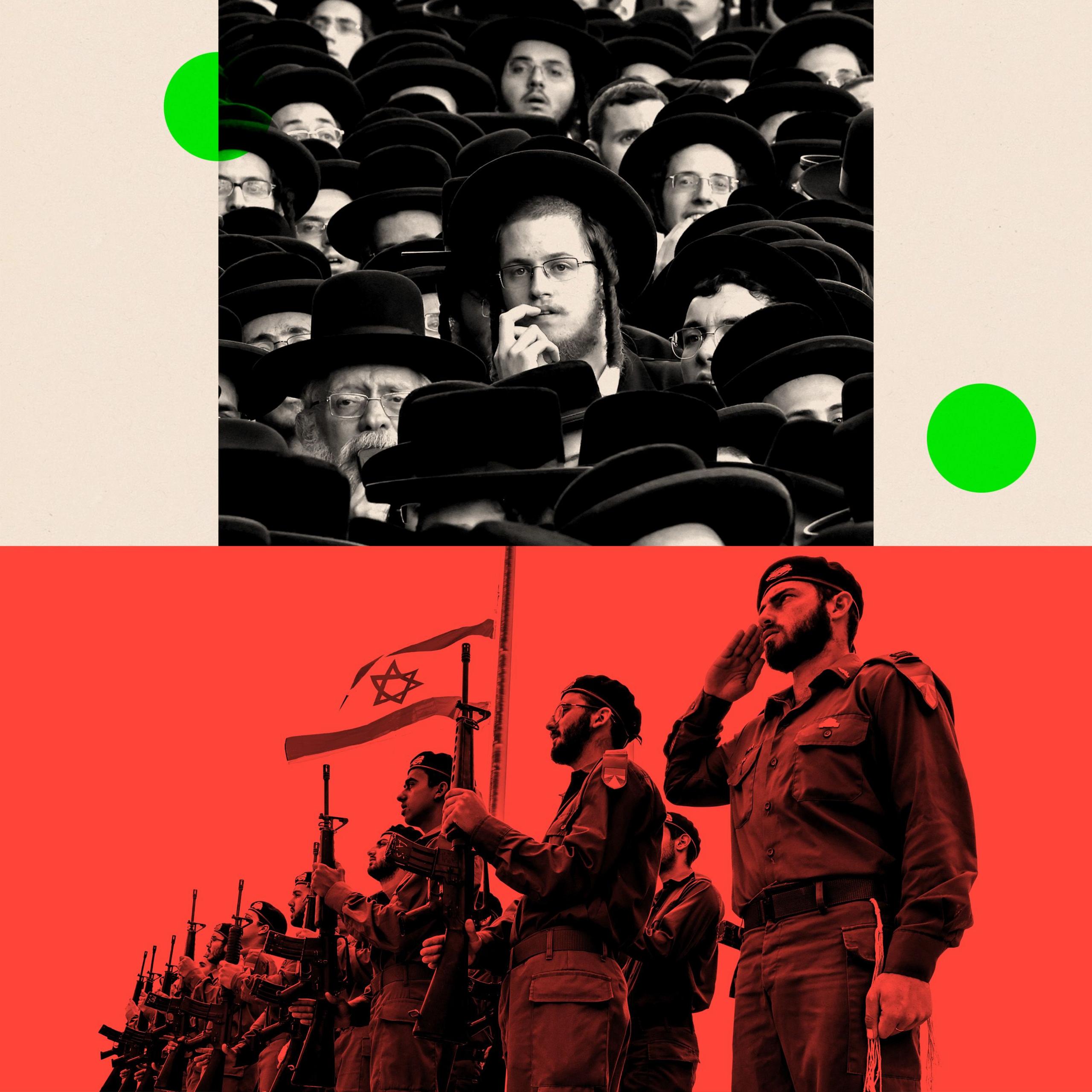
In Israel, thousands of ultra‑Orthodox men are marching against the army’s draft rules, sparking a clash that could decide the upcoming elections. The community, which now makes up 14% of the population, demands continued exemption while the state argues that every citizen must share the burden of war. Politicians from Netanyahu’s coalition and opposition alike are racing to win or lose this key vote, and a new moderate Haredi party has appeared offering a compromise. The outcome will shape Israel’s draft policy, its war role, and the balance of power in the Knesset.
In Israel, thousands of ultra‑Orthodox men are marching against the army’s draft rules, sparking a clash that could decide the upcoming elections.
Hundreds of Haredi men dressed in white shirts, black fedoras and long coats faced off with police in the city of Modi’in, where authorities tried to arrest a young man who did not report for army service. The confrontation, captured on video, shows the sharp divide between a community that values full‑time Torah study and a state that needs soldiers to defend it.
Over the last decade the Haredi population has risen from a tiny minority to about 14% of Israel’s people and is projected to make up a third of the Jewish population by 2050. That growth comes with an annual subsidy of roughly 35 bn shekels and has kept the community exempt from compulsory military service.
Now, amid a war in Gaza and increased violence on the West Bank, the exemption is more controversial than ever. The Israeli army has lost manpower, and many ordinary Israelis have already served six‑month terms.
Political factions are racing to seize or avoid this key vote. United Torah Judaism and Shas, typically loyal to Prime Minister Benjamin Netanyahu, could become kingmakers; if they withdraw their support, Netanyahu will fall short of the 60 seats needed to govern. Opposition voices, including Gadi Eisenkot’s center‑right party and the hard‑right Jewish Power party led by Ben‑Gvir, are demanding the exemption cease, arguing that every citizen should share the national burden.
In response, a new Haredi group, the Haredi Public Party, has stepped forward. It proposes that men engaged in full‑time Torah study may keep studying, while those who are not billed for the yeshiva will serve in a way that maintains their cultural identity.
For now the 2026 election will test whether the Haredi vote will be a linchpin for Netanyahu or a catalyst to remove him from power. The draft debate intersects not only with Israel’s internal politics but also with its ongoing conflicts, shaping the country’s future identity.