In brief
This new fee structure aims to alleviate trade imbalances while potentially disrupting global supply chains.
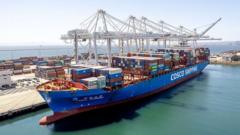
The Trump administration has announced plans to impose port fees on Chinese ships, aiming to bolster US shipbuilding and challenge China's maritime supremacy. The new fees, which will start in 180 days, represent a more moderate approach than an earlier proposal, initially suggesting $1.5 million charges per visit to American ports.Details indicate the fees will be based on factors such as cargo weight for bulk vessels and the number of containers for container ships. Initially, Chinese vessel owners will incur a charge of $50 per ton of cargo, increasing by $30 per ton annually over three years. Similarly, non-US built ships carrying vehicles will face fees of $150 per vehicle, with exceptions for specific vessels moving goods within US territories.Experts express concerns that these measures could further disrupt global trade, with reports of cargo originally destined for the US redirected to European ports. Trump's existing tariff policies, which can lead to levies as high as 245%, have already caused significant congestion in ports across Europe and the UK.Logistics experts note the ongoing disruption at major European ports adds to the congestion dilemma, anticipating that increased shipments towards Europe may lead to further logistical challenges. As US consumers bear the brunt of these tariffs, companies may reassess their supply chains to navigate these new economic realities.