In brief
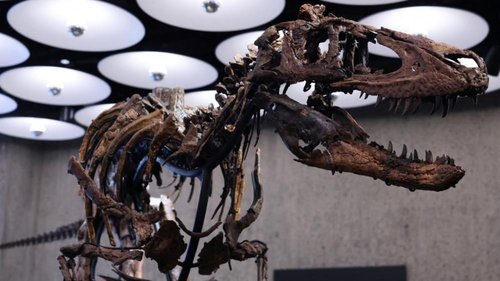
A 115‑million‑year‑old theropod limb bone from northeastern Brazil preserved mineralized red blood cells and intact heme molecules, the first chemical evidence of ancient blood. The discovery, made by an international team featuring researchers from Australia, Japan, Brazil and the United States, may unlock new ways to study the evolution of blood, metabolism and activity levels in extinct animals. The findings also offer clues for seeking ancient life outside Earth.
A team of paleontologists announced on Nov. 4, 2026 that they had recovered fossilized red blood cells and collagen from the bones of a 115‑million‑year‑old theropod dinosaur in northeastern Brazil.
Researchers from Curtin University in Australia, Japan, Brazil and the United States used chemical analysis to confirm hemoglobin‑derived molecules inside the fossilized cells, a result published in the journal Proceedings of the National Academy of Sciences.
The well‑preserved limb bones contained numerous blood‑cell‑like structures mineralized with hausmannite, a mineral that scientists believe helped lock in the cells’ shapes and biomolecules over millions of years.
Lead author Kliti Grice, a distinguished professor at Curtin University, said the results challenge longstanding assumptions that biomolecules such as hemoglobin cannot survive deep time.
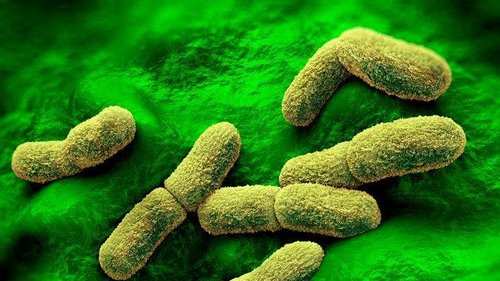
Scientists think the dinosaur’s rapid burial in a low‑oxygen, microbially rich environment shortly after death contributed to the exceptional preservation.
The discovery opens new avenues for studying the evolution of blood, metabolism and activity levels in ancient animals, and could provide insights relevant to the search for ancient life in the cosmos, the researchers added.