In brief
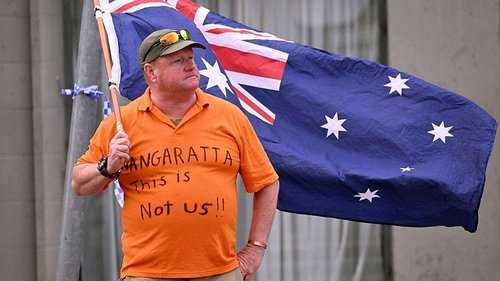
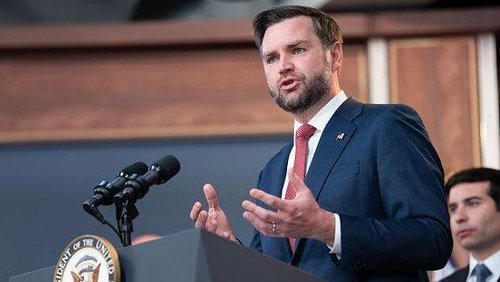
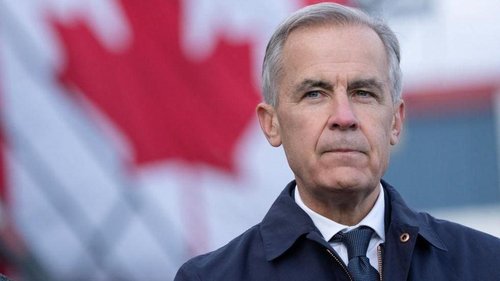
In an unexpected turn, the Australian elections revealed how external factors, particularly Trump's influence, can sway the political landscape even when they aren't the main focus of a campaign.
Despite his low-key approach towards former President Trump, Australian Prime Minister Anthony Albanese successfully secured re-election for his center-left Labor Party in a stunning landslide. While Albanese refrained from explicitly labeling himself as anti-Trump, the chaotic aftermath of Trump's recent rise to power nonetheless became a significant backdrop in the political arena. He often redirected queries regarding Trump to discussions surrounding domestic issues like economic stability and budget surpluses. The election results indicate that the Australian electorate is not untouched by global political currents. Voters expressed concerns over rising living costs and the broader implications of international relations stirred by Trump’s policies, which have stirred unease among many allies, including Australia. Interestingly, Australia's key trading ties with China insulated it somewhat from the immediate fallout of Trump's tariffs, leading both Albanese and opposition leader Peter Dutton to navigate the topic with caution. Their tactical avoidance of direct confrontations regarding Trump underscores a unique political strategy in maintaining focus on local issues while indirectly reacting to the global landscape shaped by U.S. leadership.