In brief
A team of divers has uncovered the world’s oldest known shipwreck off the coast of Turkey, dating back between 4,400 and 4,700 years. The wreck, a 10‑metre trade vessel, was found with dozens of amphorae still containing preserved residues that may reveal what ancient sailors carried. By studying the pottery’s unique style, scientists confirmed the ship’s early Bronze Age origin—no earlier wreck has been found on the seas. The discovery offers a rare glimpse into early trade routes and the lives of people who once crossed the Mediterranean.
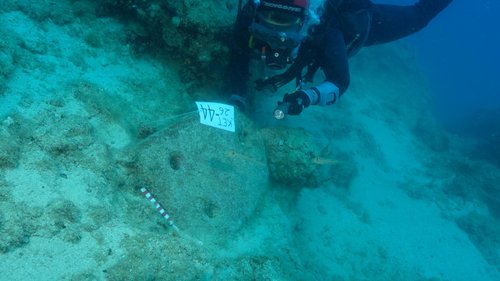
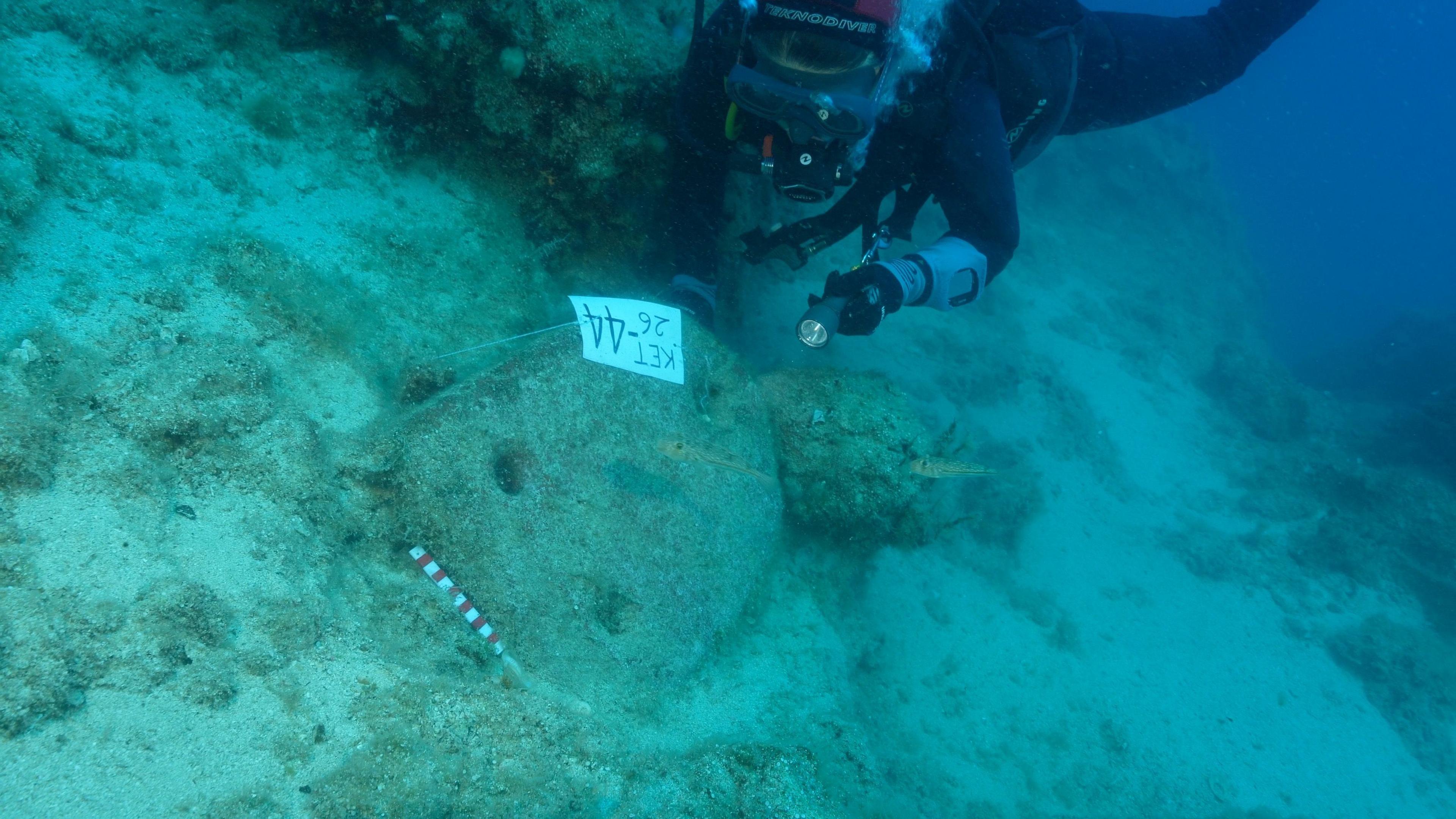
In a splash that’s stealing headlines, a dive crew off Turkey’s Kekova Island has pulled the world’s oldest shipwreck from the deep water. The 10‑metre long craft, from the early Bronze Age (4,400‑4,700 years ago), was found with >30 amphorae still stacked on the sea floor.
Unlike other sunken ships, there’s no wooden hull left – but the pottery tells the entire story. By matching the amphorae’s distinctive double‑handle rim and ridge to similar jars found in Egypt and the Middle East, archaeologists nailed the ship’s age and confirmed it was a trade vessel sailing the Mediterranean.
The cool news? Many amphorae still hold a glossy, sticky residue inside – possibly wine, olive oil, or tree resin. Researchers are now wading into chemistry quests to decide what ancient sailors packed into these jars for the long journey.
The wreck sits a comfy 30 m beneath the waves, a depth that forces divers to take 30‑minute turns. Yet the teamwork and careful conservation on the research vessel promise to unlock secrets about early trade routes, from coastal Turkey to ancient Troy or the Minoan palaces on Crete.
This find tops the list of known ancient wrecks – beating the previous record off Greece’s Dokos Island (≈4,200 yr). Experts say the ship’s cargo is a time capsule that’s literally still holding its secrets. The artifacts are slated to display in Antalya’s new Mediterranean Underwater Archaeology Museum, where young explorers can dig into history for themselves.
Stay tuned as we react to the research team’s next phase—and we’ve got a fun quiz waiting for you to test what you’ve learned about ancient sea travel!