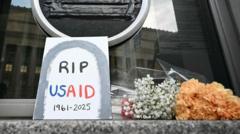
The global health community is on high alert following the US government's decision to freeze overseas aid, particularly that dispersed through the United States Agency for International Development (USAID). This freeze comes amidst significant budget cuts and a potential overhaul of aid programs, much to the dismay of health experts worldwide.
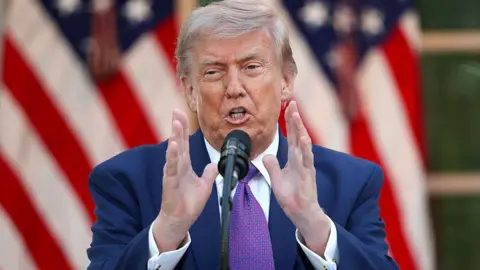
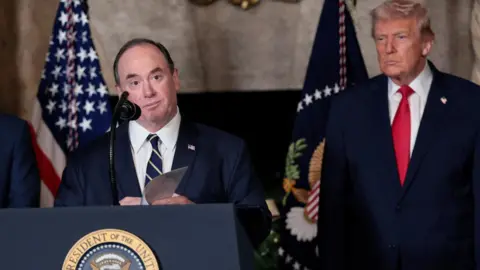
President Donald Trump's administration has undertaken these measures under the "America First" strategy, criticizing overseas spending as wasteful. Experts argue that the suspension of aid could lead to devastating outcomes, including the spread of infectious diseases and delays in vaccine development.
For instance, vital health and humanitarian projects funded by USAID, which plays a crucial role in addressing under-nutrition, clean water access, tuberculosis (TB), and HIV treatment, are now at risk. Dr. Tom Wingfield from the Liverpool School of Tropical Medicine highlighted that TB alone claims 1.3 million lives annually, and without adequate funding for treatment, this number could rise.
NGOs providing essential health services are already reporting chaos due to the freeze, with many forced to suspend HIV treatment programs. This disruption could undo years of progress in managing the disease, as emphasized by organizations like Frontline AIDS. In nations like Uganda and South Africa, life-saving treatments could run dry within weeks.
Professors and health advocates stress that cutting off funding not only destabilizes health services but also undermines public trust in aid programs, potentially provoking widespread healthcare crises. Globally, the ripple effects could lead to the resurgence of diseases previously under control, raising alarm for the future of global health.