In brief
The Clipper Endeavor crashed into the Atlantic on 1952, killing 52 out of 73 aboard. Its wreckage lay hidden for 74 years until sonar‑driven drones found it off Puerto Rico’s coast in 2026. The cache of life‑vests and an "Eye‑Opening" search story led to mandatory safety briefings on every commercial flight. Explorers from the Air/Sea Heritage Foundation and Discovery’s Expedition Unknown documented the find in vivid footage and praised modern safety practices. The discovery also rekindled hope for missing aircraft like MH‑370, showing ocean wrecks can still surface.
The Clipper Endeavor, a Douglas DC‑4, went down on 11 April 1952 just minutes after take‑off from San Juan. 66 people (64 passengers, 2 crew) were on board. 52 died when the plane slammed into the waters just 61 km from Puerto Rico.
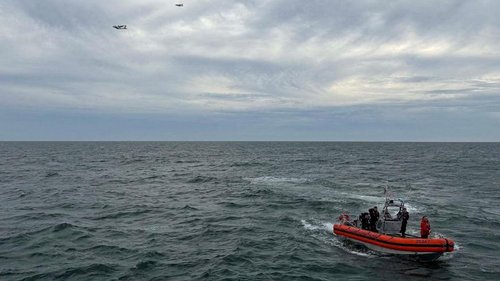
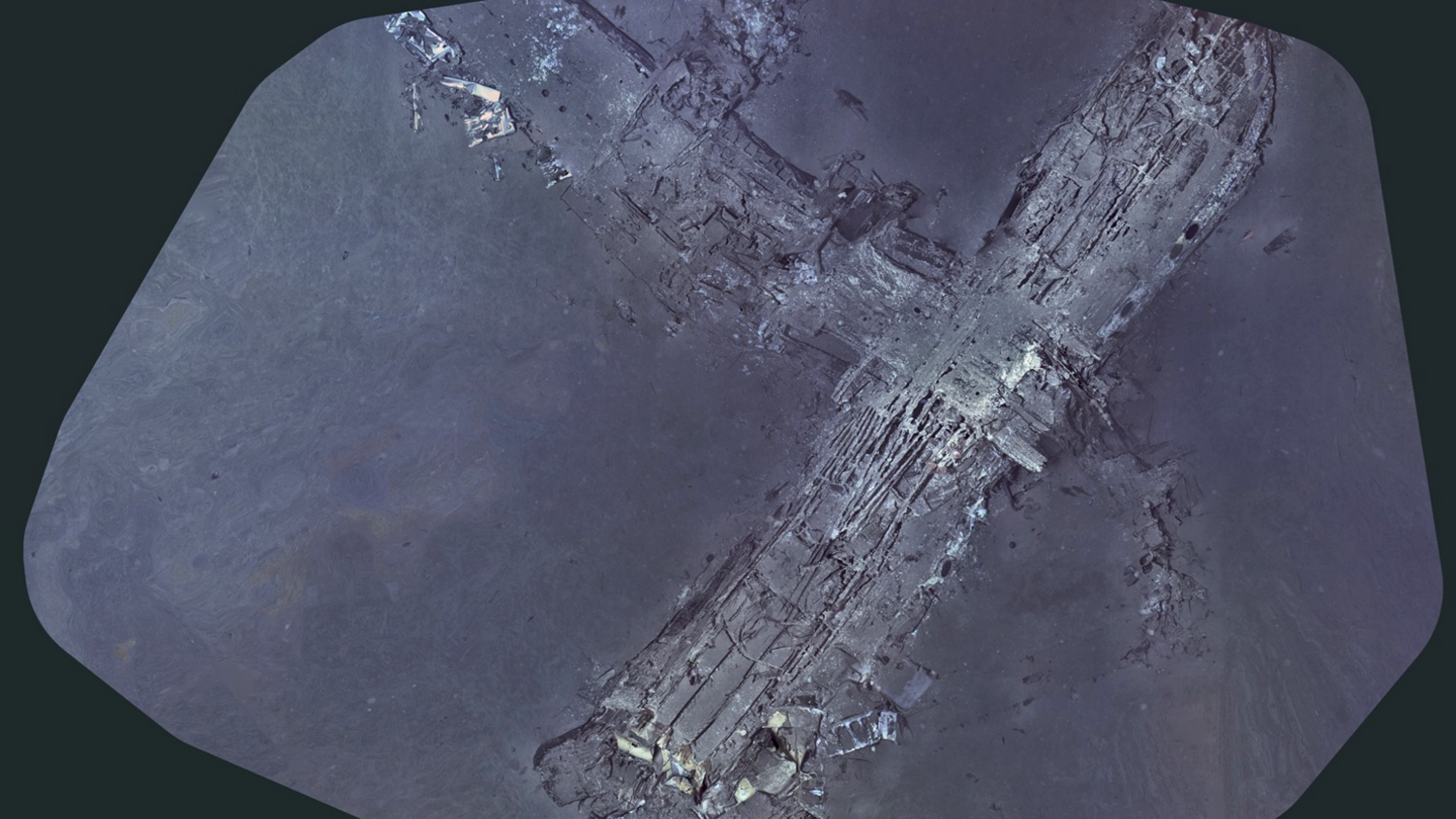
In 2026, a high‑resolution sonar drone, part of the Air/Sea Heritage Foundation’s search, finally spotted the wreckage 6 km from the coast, 2 000 ft below sea level. The drone scanned a 10‑square‑nautical‑mile area that was cut by wind and weather data recorded from the day of the crash.
The discovery revealed that two sections of the fuselage still bore the Pan Am logo and the aircraft name. They have become a sobering reminder of the past and a tribute to the families who lost loved ones.
The headlines that followed were simple: “Everyone was still alive when the plane hit the water.” Yet panic spread as passengers couldn’t find life vests or rafts in the chaos. The tragedy spurred the U.S. Federal Aviation Administration to require cabin crew to give pre‑flight safety briefings and show passengers the location and use of safety equipment.
Today you pick up a seat on a flight, and the crew will point out the nearest exit and show how to inflate a life‑vest. That is how the Pan Am crash turned into a daily practice that keeps millions safe.
The Expedition Unknown team filmed the drones’ first pass over the wreck. Josh Gates and host Russell Matthews highlighted the emotional significance of finding a wreck that had been lost for almost a century.
The clip also opened new hope for other unsolved disappearances, like Malaysia Airlines Flight MH‑370, by showing that ocean wreckage can still be located even decades later.
The story will air in an upcoming special episode of Expedition Unknown, giving viewers a front‑row seat to history coming into light.