The sudden and violent death of American activist Charlie Kirk has sparked fierce debate over his political legacy. At just 31 years old, Kirk had rallied a significant youth movement, drawing in fans with his conservative Christian values and candid opinions. While many supporters mourn his loss, describing him as a figure who listened to their concerns, critics highlight the polarizing nature of his views, which often drew large crowds of dissenters.
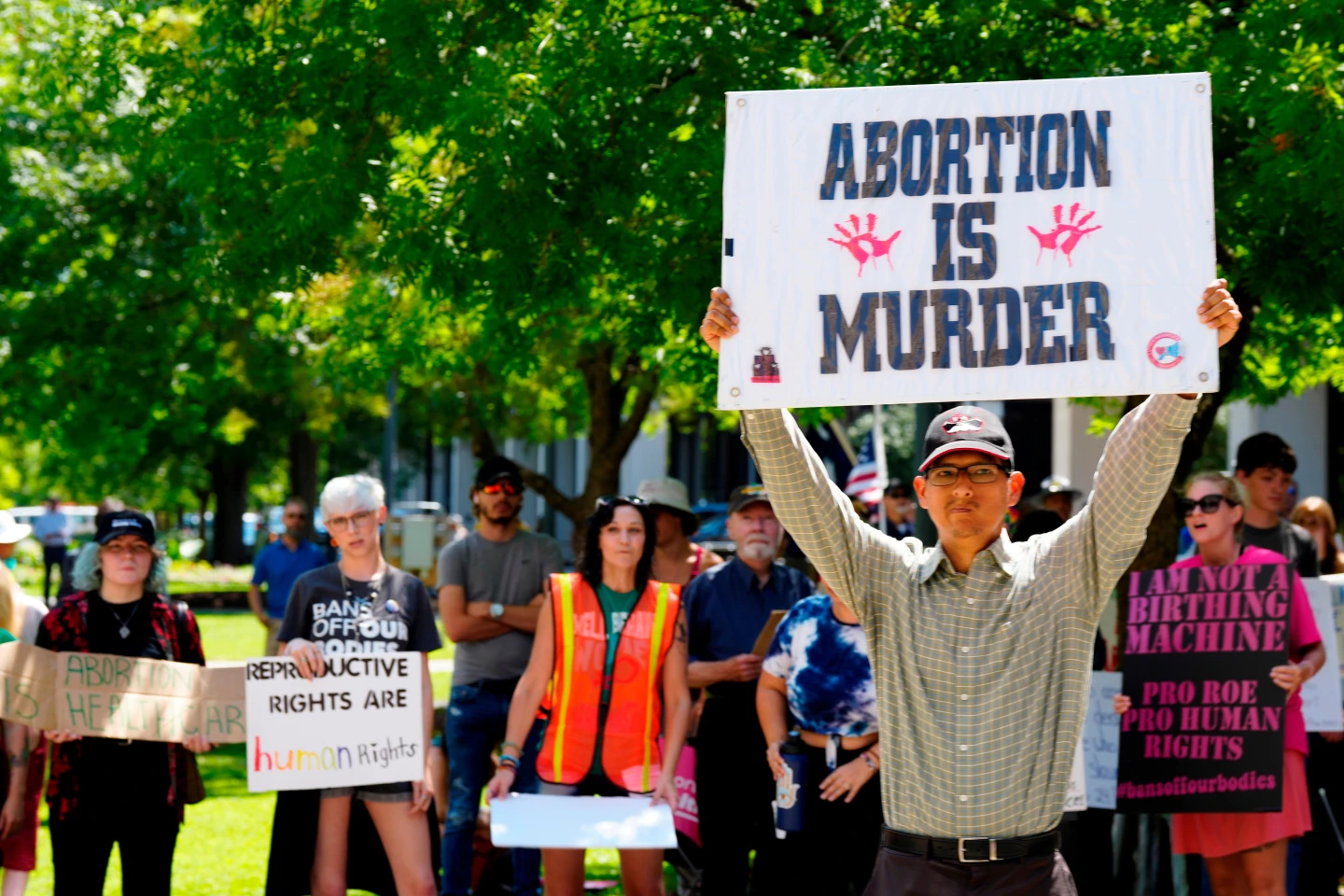
Kirk was known for strong stances on issues such as gun rights and opposition to abortion and transgender rights, never hesitating to voice his opinions openly. This willingness to engage in passionate debates was central to his success, as he believed that 'when people stop talking, that's when you get violence.' Tragically, this belief was underscored when he was shot during a debate, leaving both supporters and opponents shaken.
Many young people, regardless of their political alignment, have expressed horror over the violence, noting that political views should never justify such an outcome. Conversations following his death have emphasized the importance of maintaining a culture of debate without resorting to violence.
The discussions surrounding Kirk's legacy continue to evolve, with many acknowledging his role in empowering young conservatives to express their views more confidently. However, his controversial ideas, particularly surrounding LGBTQ+ rights and feminism, have sparked significant criticism. Activists argue that Kirk's rhetoric often perpetuated harm against marginalized communities.
Ultimately, while tributes to Kirk's impact on political engagement pour in, the ongoing debate raises critical questions about free speech, political discourse, and the consequences of polarization in modern society.
Kirk was known for strong stances on issues such as gun rights and opposition to abortion and transgender rights, never hesitating to voice his opinions openly. This willingness to engage in passionate debates was central to his success, as he believed that 'when people stop talking, that's when you get violence.' Tragically, this belief was underscored when he was shot during a debate, leaving both supporters and opponents shaken.
Many young people, regardless of their political alignment, have expressed horror over the violence, noting that political views should never justify such an outcome. Conversations following his death have emphasized the importance of maintaining a culture of debate without resorting to violence.
The discussions surrounding Kirk's legacy continue to evolve, with many acknowledging his role in empowering young conservatives to express their views more confidently. However, his controversial ideas, particularly surrounding LGBTQ+ rights and feminism, have sparked significant criticism. Activists argue that Kirk's rhetoric often perpetuated harm against marginalized communities.
Ultimately, while tributes to Kirk's impact on political engagement pour in, the ongoing debate raises critical questions about free speech, political discourse, and the consequences of polarization in modern society.