In brief
Israel's military has conducted airstrikes on Houthi-held ports and the cargo ship Galaxy Leader in Yemen, citing retaliatory strikes against missile and drone attacks directed at Israel. The Houthis claim to have successfully defended against these strikes, further intensifying the ongoing conflict.
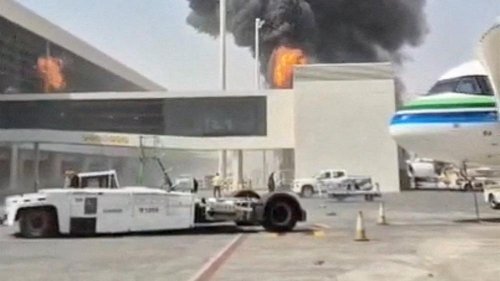
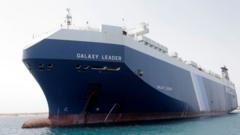
Israel's military has ramped up tensions by launching airstrikes on Houthi-controlled parts of Yemen. This move comes in response to a series of missile and drone attacks from Houthi rebels aimed at Israel. The strikes targeted several significant locations, including the busy Red Sea ports of Hudaydah, Ras Issa, and al-Salif, as well as the cargo ship Galaxy Leader, which was hijacked by the Houthis back in November 2023 for monitoring international shipping routes.The Israeli army states that approximately 20 fighter jets participated in this operation, intended as a response to what they label as "repeated attacks by the Houthi terrorist regime." They accuse the Houthis of using Yemen's ports to smuggle weapons from Iran and employing the Galaxy Leader to facilitate military operations against Israel.In response to the Israeli strikes, the Houthis launched their own missiles towards Israel, activating sirens in parts of the occupied West Bank and southern Israel. The group’s military spokesperson claimed success in intercepting the Israeli attacks and vowed to continue their resistance, expressing their readiness for a prolonged conflict.Both the Houthis and Israel have made contrasting claims regarding the effectiveness of their defenses and the extent of damage caused. The situation has escalated, especially following the ongoing Israel-Hamas conflict, with the Houthis frequently targeting maritime traffic in support of Palestine.As tensions rise and hostilities continue, international observers watch closely to assess the potential for increased conflict in the region, particularly given the strategic importance of the Red Sea. The complexity of Yemen’s civil war adds another layer to the ongoing clashes with Israel, complicating peace efforts in a region already fraught with violence.