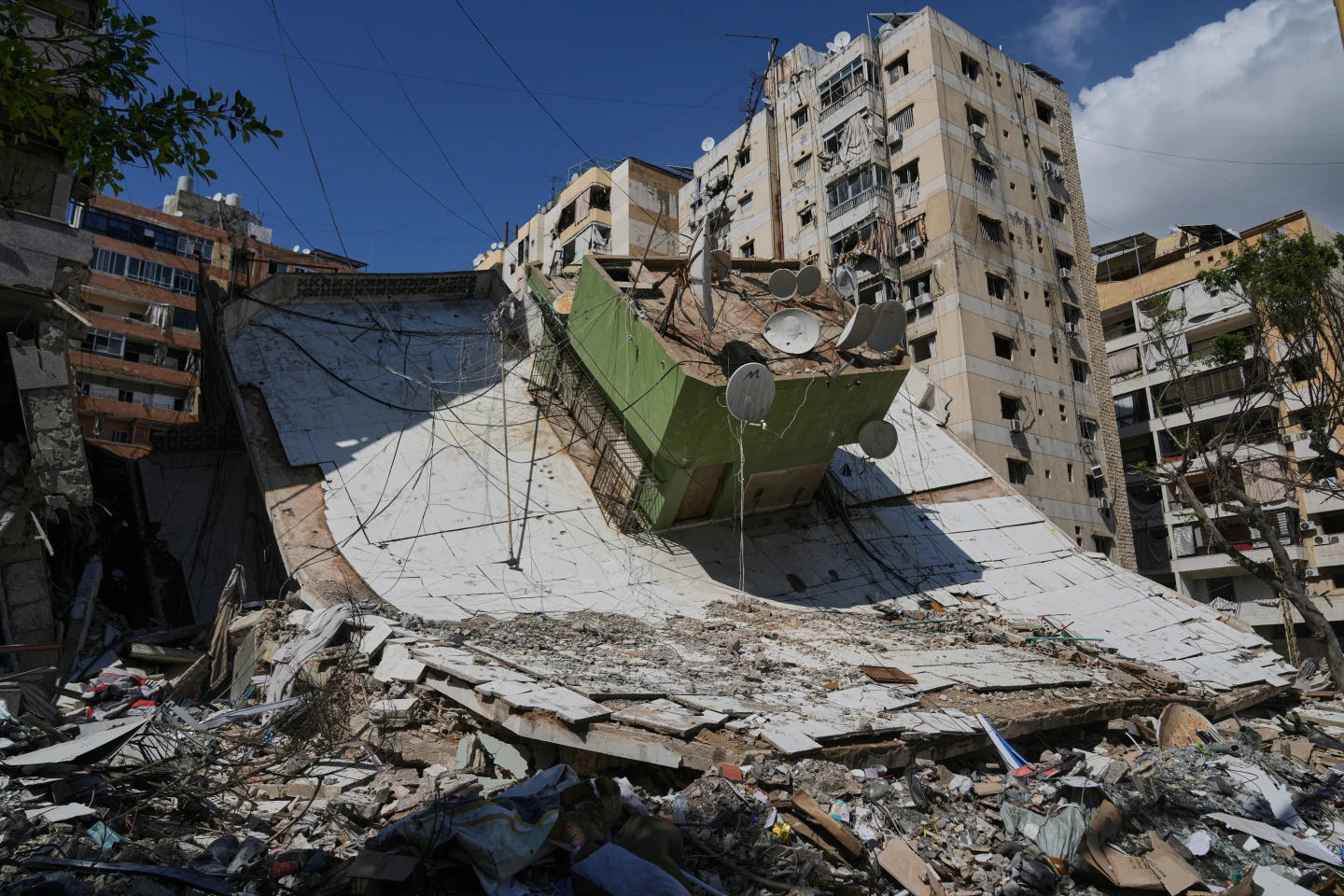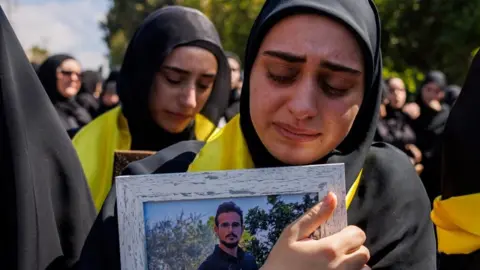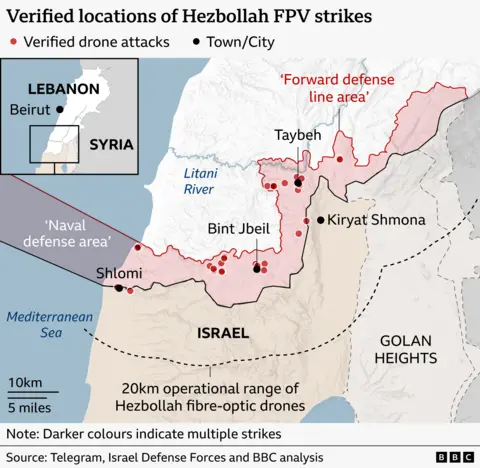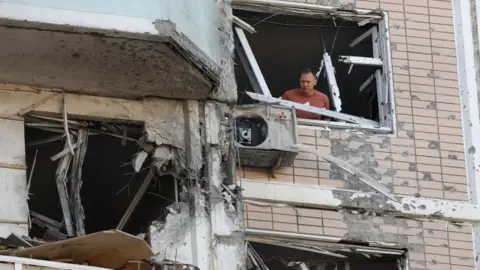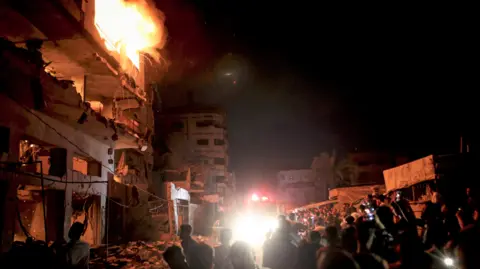
At least 12 people, including seven Syrians, have been reported killed following Israeli airstrikes in the eastern Bekaa Valley of Lebanon, according to local officials. The Baalbek-Hermel governor, Bachir Khodr, shared on X that victims included a family of five, alongside three Lebanese individuals. The strikes mainly targeted military compounds associated with Hezbollah, particularly camps connected to the Radwan Force.
These attacks mark the most deadly violence since a ceasefire concluded a year-long confrontation between Israel and Hezbollah, which included an intense two-month period of war. Hezbollah has not issued an official comment regarding the strikes, although its media channel highlighted breaches of both the ceasefire and Lebanese sovereignty.
The Israeli Defense Forces (IDF) confirmed the strikes aimed at Hezbollah targets, citing the need to counteract military operations in the region, which they claim threaten Israel's security. Israeli Defence Minister Israel Katz remarked that the strikes were a warning to Hezbollah and Lebanon as a whole, signaling Israel’s readiness to act against any attempts to rebuild Hezbollah’s military might.
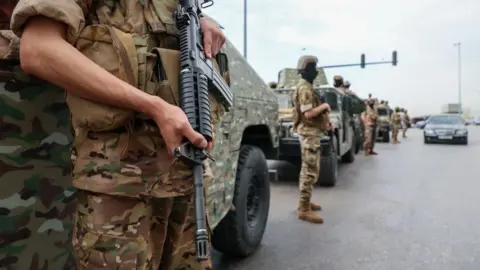
The original ceasefire agreement, facilitated by US negotiators in November, mandated both nations adhere to provisions set forth in the UN Security Council resolution 1701, aimed at disarming armed groups in Lebanon. This agreement required Hezbollah to retreat to northern areas, while also allowing only Lebanese forces and UN peacekeepers in specified regions. Despite agreeing to withdraw, Israel has retained a military presence in strategic locations within southern Lebanon.
The resumption of violence raises fears of a return to larger-scale conflict in the region, complicated by the ongoing political and military maneuvering from both sides.