In brief
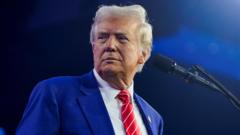
As Donald Trump signals interest in acquiring Greenland, Germany and France firmly defend the island's sovereignty, emphasizing the importance of established borders amidst rising tensions.
Following Trump's declaration that Greenland holds significant strategic value for the U.S., both German Chancellor Olaf Scholz and French Foreign Minister Jean-Noël Barrot have spoken out, warning against any threats to the territory. Scholz emphasized the "inviolability of borders" while Barrot rejected the idea of military invasion, suggesting the need for Europe to remain strong against intimidation. Trump has expressed his intention to secure Greenland, referencing its crucial role in military strategies against rival powers. However, Denmark, aligned with NATO as a long-standing ally, has affirmed that Greenland belongs to its people and is not for sale. Greenland’s Prime Minister, Mute Egede, reiterated local sovereignty in light of Trump’s provocative statements about potential military action. Many Greenlanders were taken aback by Trump's remarks, reaffirming their desire for self-determination. While exploring partnerships with other nations, local leaders stress that the future of Greenland must be decided by its inhabitants alone. The situation highlights a complex web of alliances and territorial integrity, drawing attention to the increasing geopolitical tensions in the Arctic region. As Trump prepares for his second term, the international community remains vigilant regarding his intentions and their implications for global stability.