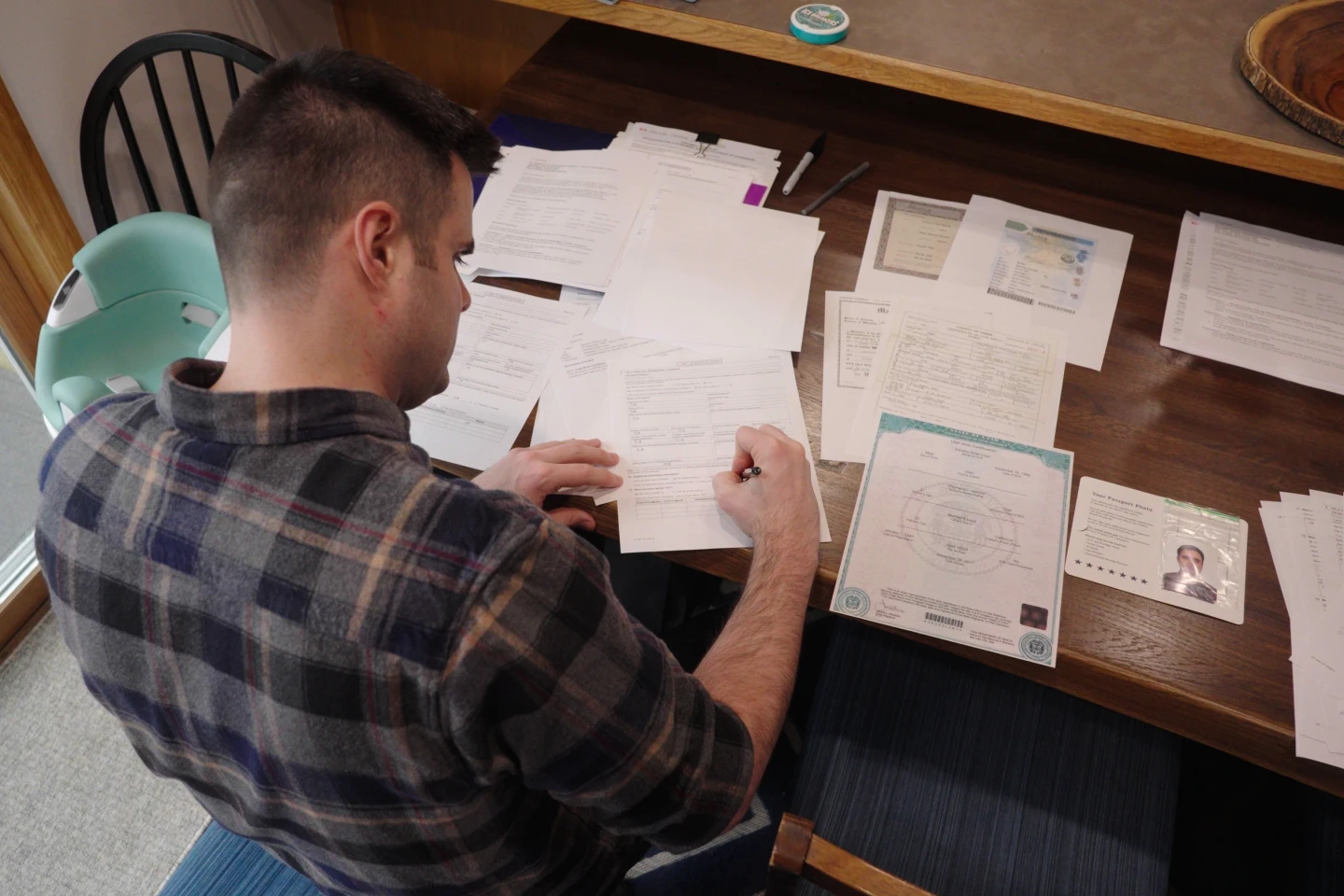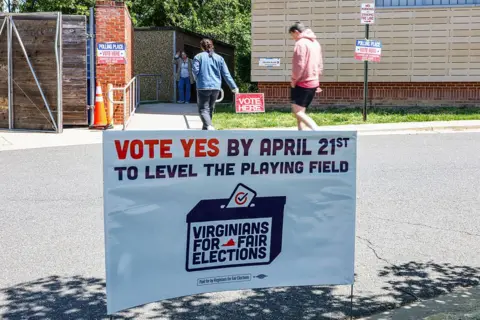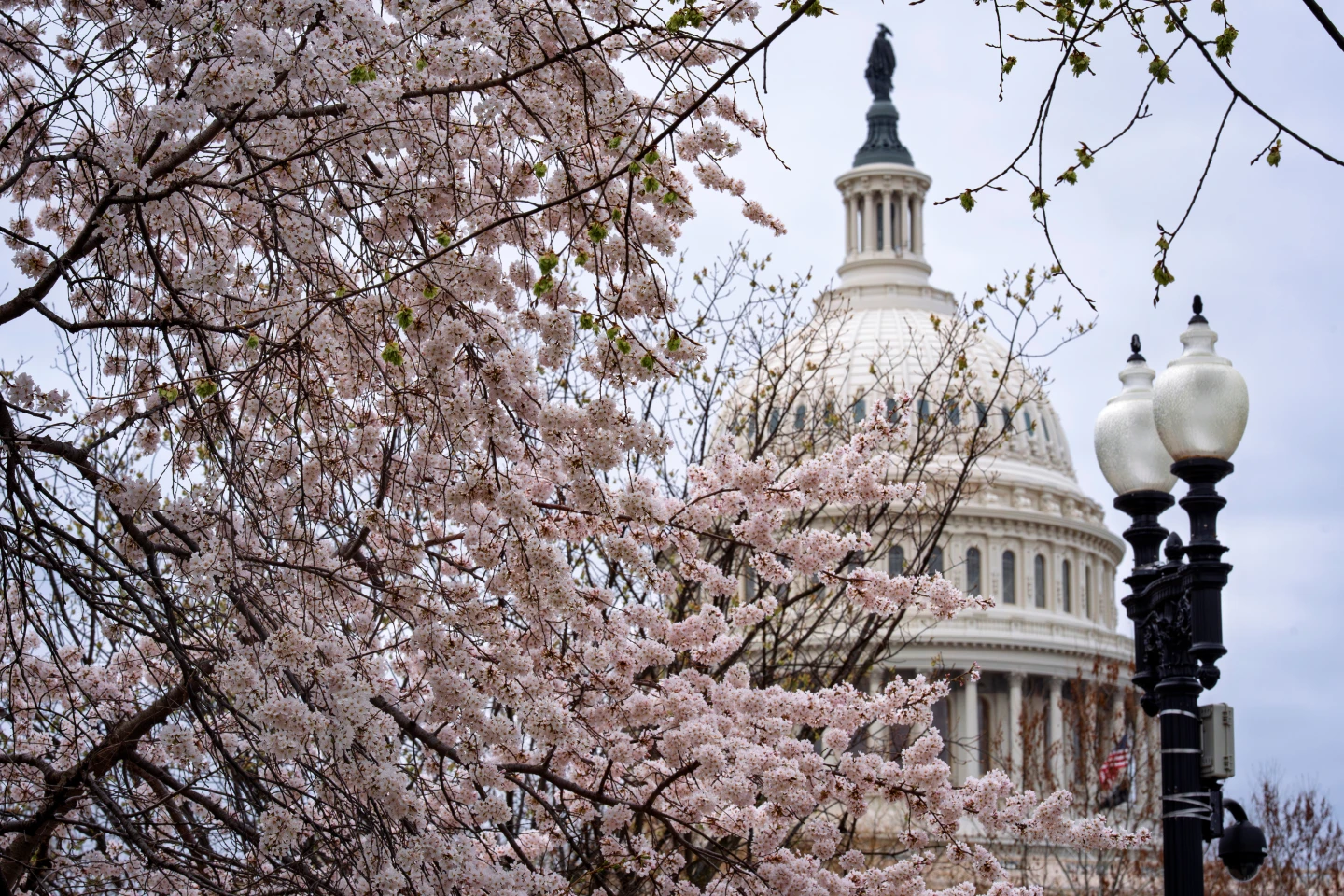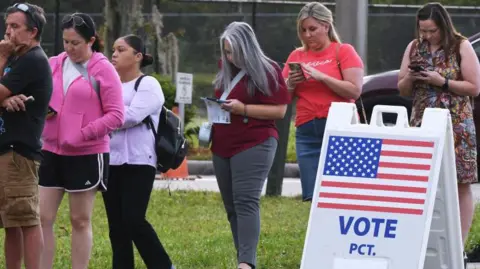
Recently, the US House of Representatives passed the SAVE America Act, which requires all voters to present proof of citizenship when they register for elections, a notable move as the midterms approach. This proof could include a valid US passport or birth certificate.
Supporters of the legislation argue it is a necessary step to prevent voter fraud. However, various groups, including advocates for women's rights, have expressed concern that this requirement could disenfranchise eligible voters, particularly those who have changed their names after marriage and may face difficulties matching their identification documents.
The bill is divisive; while Republicans support it largely, Democrats claim it suppresses votes. This legislation faces a challenging path in the Senate, where it lacks sufficient backing for passage.
The SAVE Act also establishes processes for those with name changes to verify their identity and includes penalties for election officials who fail to obtain the requisite citizenship proof during registration.
Statistics reveal that approximately 21 million Americans lack immediate access to citizenship documentation, which raises questions about access and voter rights. Polls indicate a significant majority favor government-issued photo ID requirements among voters, including a hefty support from both major parties.
With President Trump backing the Act, the Republican party is under pressure to navigate this contentious legislation through Congress, as discussions continue on how to effectively implement and pass the bill amidst varying opinions on election integrity.
Stay tuned as the Senate gears up for a potential vote on this significant legislative proposal.