In brief
A Saudi national tried to plant a covert microphone in OpenAI’s San Francisco office, wrapped in toilet paper and hidden behind a TV. The AI giant spotted it with its own chatbot, fired the employee, and says no code was stolen. Prosecutors say the suspect used his own AI tools to research how to hide the device. If convicted, he faces up to five years in prison and a $250,000 fine. The incident serves as a wake‑up call for companies relying on AI security.
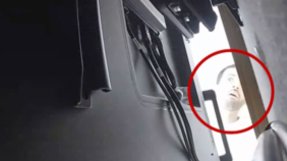
A Saudi engineer was caught trying to plant a covert recorder in OpenAI’s San Francisco office. Prosecutors say the device was wrapped in toilet paper and tucked into a USB port behind a TV.
OpenAI used one of its own chatbots to spot the hidden mic, and the company says nobody’s code or data were taken. The employee was fired and could face a five‑year sentence.
Why the hack? Law‑enforcement claims the man wanted to eavesdrop on meetings about the next big AI update. The suspect also used his own AI tools to research how to disguise the device.
If he’s found guilty, he’ll face a fine of up to $250,000 and a prison term. Security experts say the story is a wake‑up call for companies that rely on AI.