In brief
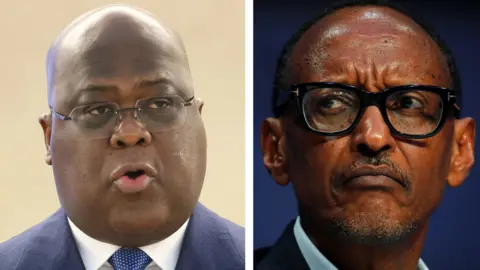
The leaders of DR Congo and Rwanda have signed a peace agreement during a summit hosted by President Trump in Washington, D.C., aimed at ending ongoing conflicts driven by resource disputes and territorial control. Despite escalating tensions, both DR Congo's President Felix Tshisekedi and Rwandan President Paul Kagame express hope for a collaborative future, with support from several African leaders. The agreement encompasses commitments towards disarmament and investments but remains uncertain amid continued fighting and past failed agreements, raising skepticism among analysts about its long-term efficacy.
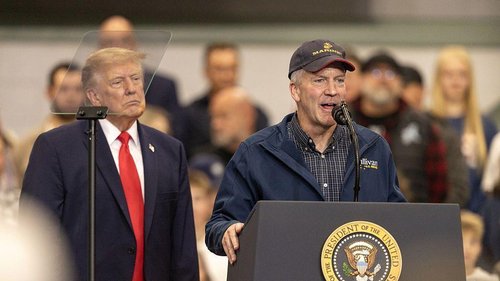
In a significant diplomatic move, U.S. President Donald Trump hosted a summit where the leaders of the Democratic Republic of Congo (DR Congo) and Rwanda signed a peace deal aimed at resolving their prolonged conflicts. This agreement comes amidst increasing hostilities in Eastern DR Congo, where fighting has escalated between government forces and the M23 rebel group, which is alleged to receive Rwandan support.During the summit, Trump described the day as historic for Africa, emphasizing his confidence in both leaders to honor their commitments under the agreement. The recently launched ceasefire had been put to the test by accusations from both sides, with the DR Congo army claiming the M23 was sabotaging peace efforts, while rebels pointed fingers back at the Congolese forces.As part of the peace deal, Tshisekedi and Kagame agreed to draw back hostilities and promote regional cooperation. The DR Congo leader expressed his gratitude for the U.S. involvement, while Kagame hailed Trump's neutral stance as instrumental in the negotiation process.Despite the optimism displayed by both governments and representatives from various other African nations, experts remain skeptical about the lasting impact of the peace accord. They point to the ongoing violent confrontations and the lack of an effective ceasefire as potential barriers to sustainable peace. The M23's ongoing control of key territories, including Goma, and the contentious issue of Rwandan military presence in DR Congo further complicate the situation.With an estimated $25 trillion worth of minerals, including sought-after rare earth elements, DR Congo holds immense resources critical for global technology. The stability of this region could pave the way for U.S. investment and economic development, contingent on the successful implementation of the peace deal.