In brief
In a landmark defamation case, Grammy-nominated rapper Afroman, also known as Joseph Foreman, has won against seven Ohio sheriff’s deputies who sued him over parody music videos. The deputies claimed they were ridiculed in videos featuring footage from a controversial raid of Afroman's home. After a dramatic courthouse celebration, Afroman proclaimed his victory as a testament to freedom of speech. The legal battle revolved around the boundaries of social commentary and parody in music, as the deputies sought nearly $4 million in damages for perceived harassment stemming from Afroman's viral videos. Despite their claims, the court sided with the rapper, highlighting the importance of artistic expression and critique of public figures.
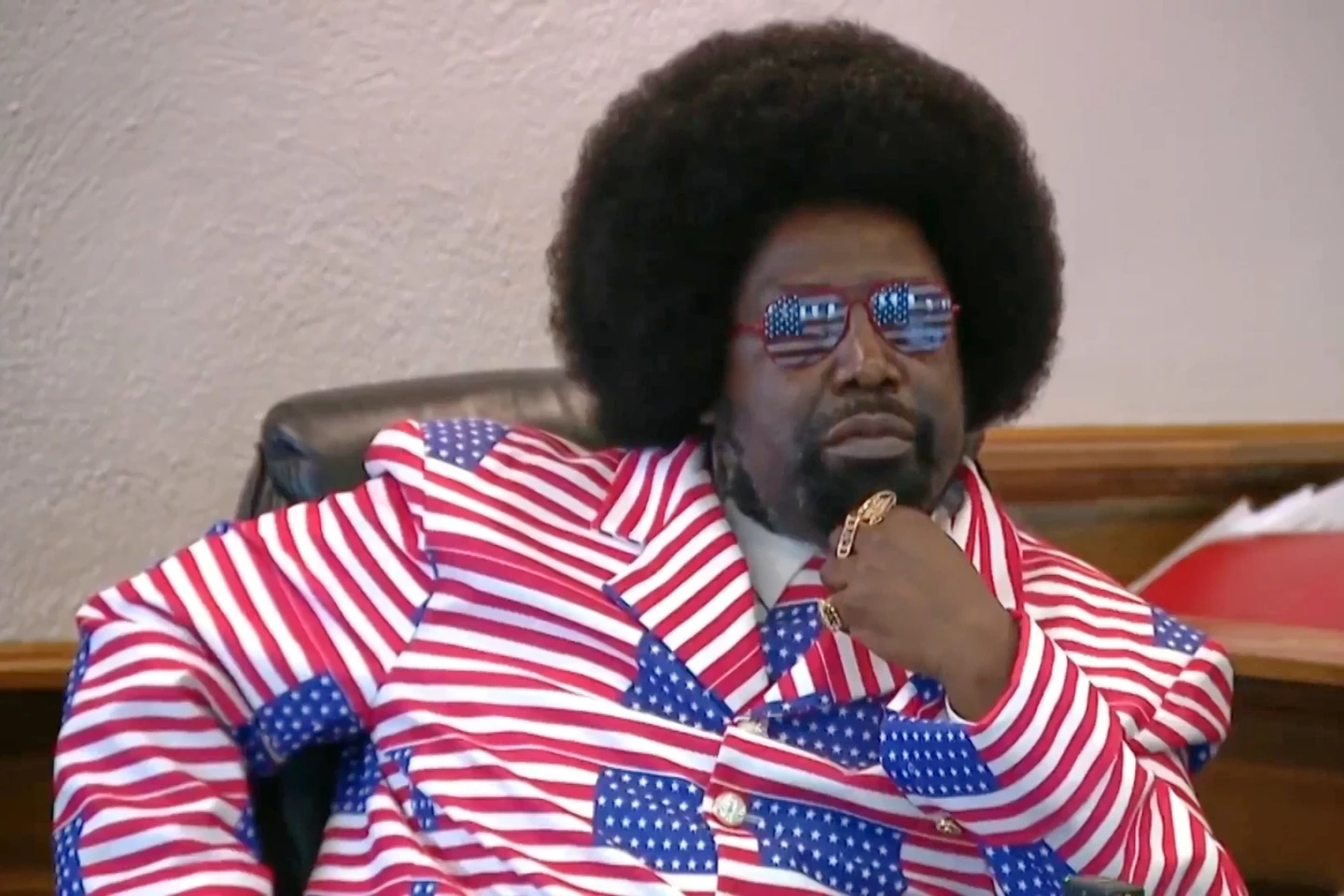
Grammy-nominated rapper Afroman has emerged victorious in a defamation lawsuit brought by seven Ohio sheriff’s deputies. The deputies alleged that Afroman's music videos, which sarcastically featured home surveillance footage of their raid at his home, were damaging to their reputations.
We did it, America! Yeah, we did it! Freedom of speech! the 51-year-old rapper exclaimed outside the courthouse after the verdict was announced. This legal battle raised important questions about artistic license and the boundaries of social commentary.
The deputies sought nearly $4 million in damages, claiming that they faced public harassment after the release of the videos, which racked up over 3 million views on YouTube. Afroman cleverly included references to the raid in his songs, even poking fun at the officers for their behavior during the incident.
In court, Afroman defended himself by arguing his right to express his views on the incident, stating that the whole affair was an unjustified raid that caused trauma for his family. His claims were backed by a strong First Amendment defense, illustrating the significant role humor and satire can play in shaping public discourse.
The case highlights the delicate balance between accountability of public figures and the protections offered to artists as they navigate the complexities of free expression in their work. While the deputies described the derogatory impacts of Afroman's lyrics, experts assert the importance of free speech and the right to parody, paving the way for future discussions on the subject.