In brief
Australian lawmakers are introducing a new law that would give users a simple on‑off switch for social‑media recommendation algorithms. The push follows real stories of people, like 24‑year‑old Varsha, who were trapped by fitness and eating‑disorder content. The bill would also impose a ‘Digital Duty of Care’ on online platforms, encouraging safer, less addictive designs. Tech giants have mixed reactions, while many teens say they want the choice. The outcome could set a global precedent for controlling how algorithms shape what we see.
Australia is giving people a new power button on their feeds. The new laws will let users turn the recommendation engine – the part that decides what you see – off and only show posts from people you follow.
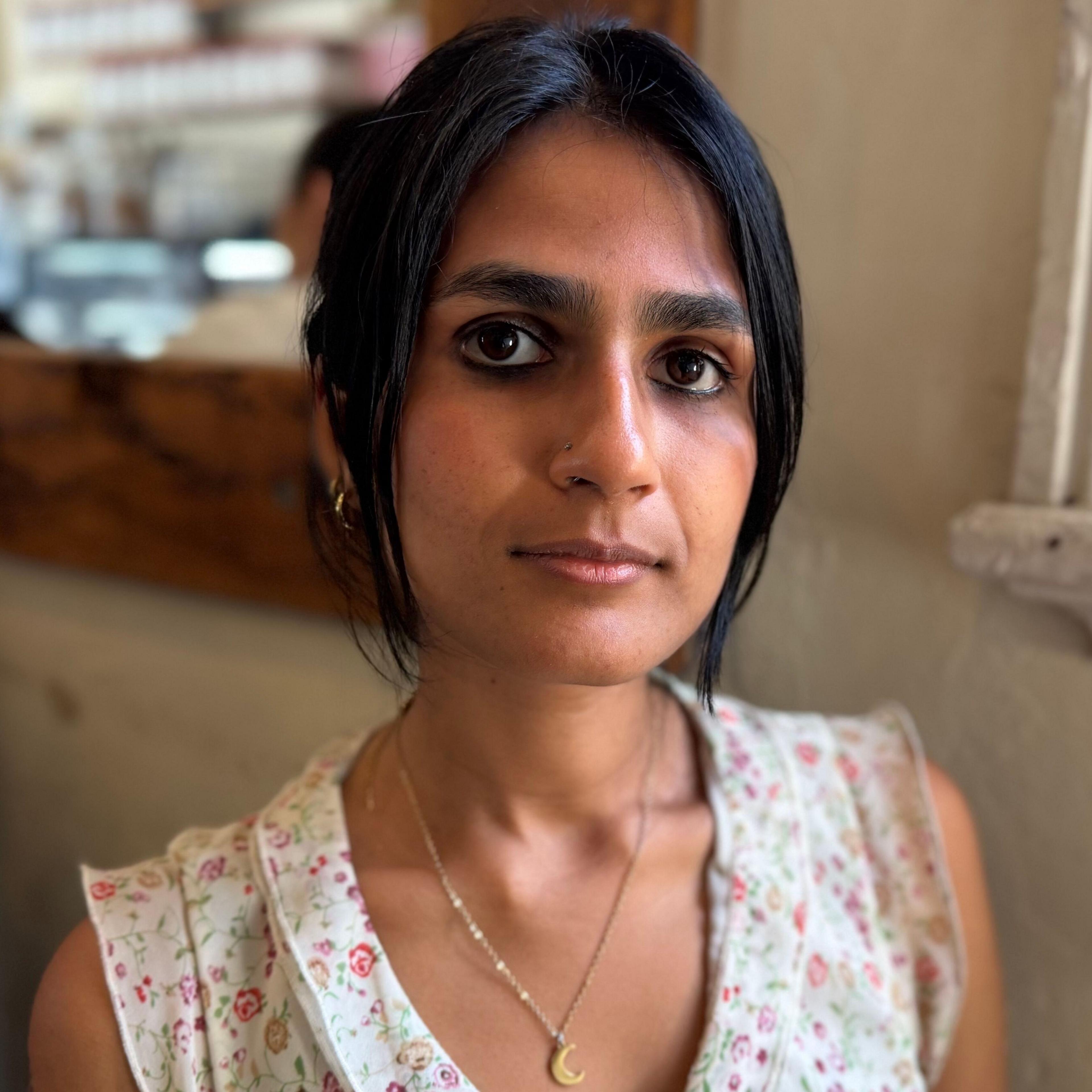
The idea comes after Varsha Yajman, a 24‑year‑old who survived an eating disorder, talked about how you could never stop scrolling past workouts, diet challenges and other harmful stuff. Even now, with every safety setting on and a long word list to block, her feeds still load weight‑loss content.
The new bill also creates a "Digital Duty of Care" for all online services. That means platforms must try hard to keep their sites safe – for example, by limiting harmful porn or content that encourages eating disorders. If a company misses the mark, it could face fines up to A$100m (about $70m).
What this means for you: your feed will always default to your favourite people. If you want more flashy, algorithm‑driven posts, you can toggle it back on. It’s a new way to choose how much pressure the internet puts on you.
Big tech hasn’t commented publicly yet. Some say the feature is hard to use – the Instagram test in the Netherlands, for example, made it impossible to send DMs when the flow was disabled. Others agree that the benefit of seeing only follow‑only content outweighs the glitchy experience.
Surveys show that two‑thirds of Gen‑Z would keep the algorithm, but about half of Australians overall want the option to switch it off. The key debate is whether large tech can actually enforce the law, or if people will just ignore the new button.
The Australian move could become a trendsetter. If Canada, the UK and other countries follow, we might see a global shift that gives everyone the choice to control their content.
Want to learn more or talk about online safety? Check out organisations that help with mental‑health support.