In brief
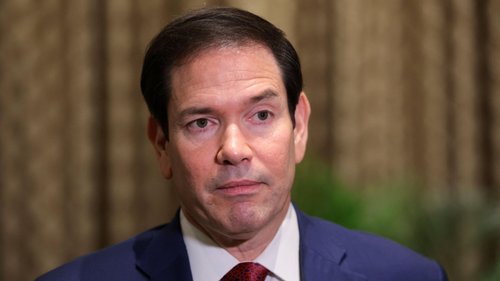
The Panama Canal Authority has denied US claims that it has exempted American government vessels from transit fees, emphasizing that no changes to fees have been made. This follows remarks from US Secretary of State Marco Rubio, who urged Panama to limit China's influence over the canal.
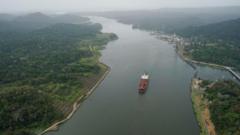
The Panama Canal Authority (ACP) has firmly rejected claims from the US government that it has made arrangements for American government vessels to transit the canal without charge. The White House announced that its vessels could reportedly save millions annually thanks to this supposed agreement. However, the ACP clarified that it retains the right to set tolls and has made no adjustments to current fees.During a recent diplomatic visit to the region, US Secretary of State Marco Rubio criticized Panama for allowing what he described as China's increasing influence over this crucial waterway. He urged the Panamanian government to take immediate action to limit this influence, warning that the US would take steps to safeguard its treaty rights if necessary.The Panama Canal, stretching 51 miles and linking the Atlantic and Pacific Oceans, is vital for global trade, with a significant amount of traffic originating or ending in the US. Despite criticism from US officials, Panama's President José Raúl Mulino has insisted that the canal remains firmly under Panamanian control, distancing his country from allegations regarding foreign intervention.The historical context traces back to the US-built canal, with control gradually handed over to Panama by the late 20th century—a move that has since been criticized by some US politicians. As tensions continue to shape this historically significant waterway, the ACP reassured its commitment to work with US naval forces to optimize transit for American vessels.