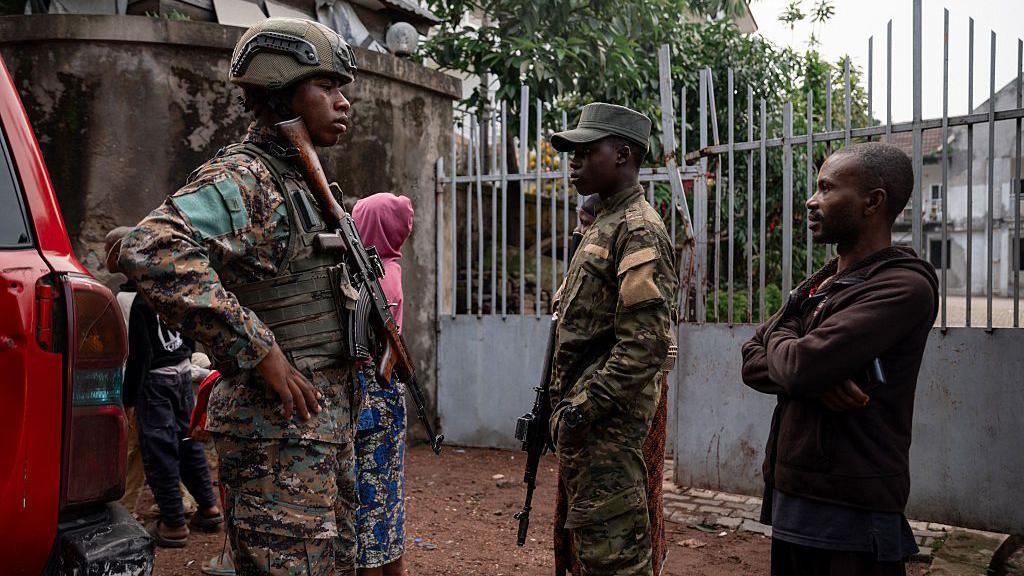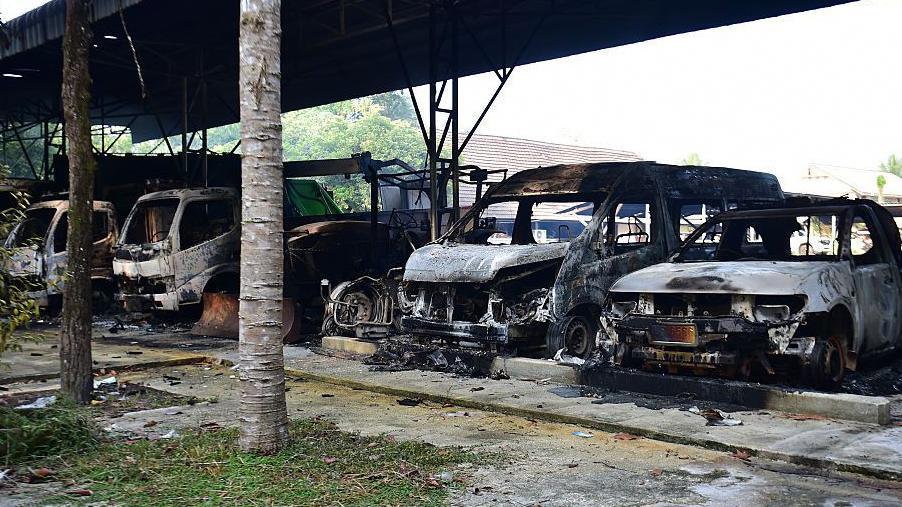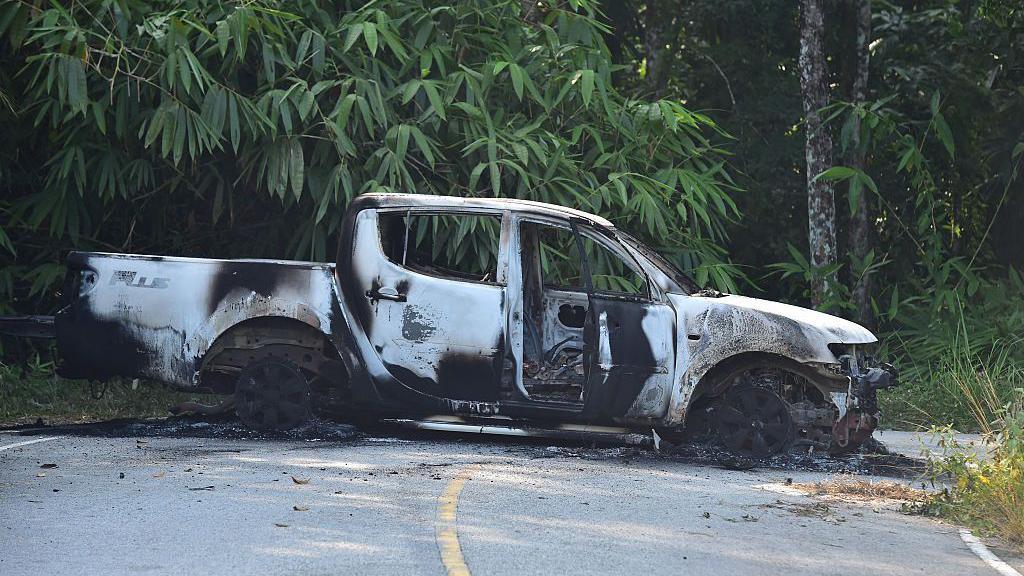
Benin's president has appeared on television to reassure citizens of the West African nation that the situation was now totally under control following an attempted coup earlier in the day. I would like to commend the sense of duty demonstrated by our army and its leaders, who have remained... loyal to the nation, Patrice Talon said, looking calm during the live evening broadcast. The government claimed it had thwarted the mutiny hours after a group of soldiers declared a takeover on national television. Later in the afternoon, huge explosions were heard in Cotonou, Benin's largest city and seat of government. They were thought to have been the result of an airstrike.
Prior to the explosions, flight-tracking data showed that three aircraft had entered Benin's airspace from neighboring Nigeria before returning home. A spokesman for Nigeria's president later confirmed that its fighter jets had entered to take over the airspace to help dislodge the coup plotters.
There have been a series of coups in West Africa before this attempt in Benin, raising fears about the region's security. Although Benin has been seen as a stable democracy, it faces significant socio-economic challenges, with Talon's administration criticized for its repressive tactics against political opposition. Talon emphasized that loyalist forces had cleared the last pockets of resistance held by the mutineers and pledged to punish those responsible for the attempted coup.
This incident reflects a disturbing trend in West Africa, where military takeovers have become more frequent, with nations like Burkina Faso and Mali also experiencing recent coups. Various regional and international organizations, including Ecowas and the African Union, have condemned the coup attempt and expressed their commitment to upholding democracy in the region.
Prior to the explosions, flight-tracking data showed that three aircraft had entered Benin's airspace from neighboring Nigeria before returning home. A spokesman for Nigeria's president later confirmed that its fighter jets had entered to take over the airspace to help dislodge the coup plotters.
There have been a series of coups in West Africa before this attempt in Benin, raising fears about the region's security. Although Benin has been seen as a stable democracy, it faces significant socio-economic challenges, with Talon's administration criticized for its repressive tactics against political opposition. Talon emphasized that loyalist forces had cleared the last pockets of resistance held by the mutineers and pledged to punish those responsible for the attempted coup.
This incident reflects a disturbing trend in West Africa, where military takeovers have become more frequent, with nations like Burkina Faso and Mali also experiencing recent coups. Various regional and international organizations, including Ecowas and the African Union, have condemned the coup attempt and expressed their commitment to upholding democracy in the region.