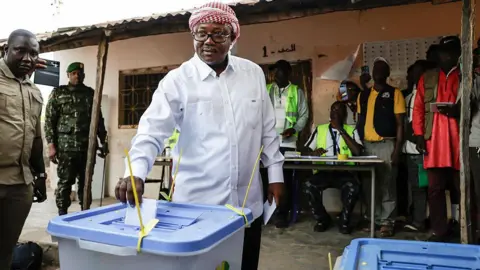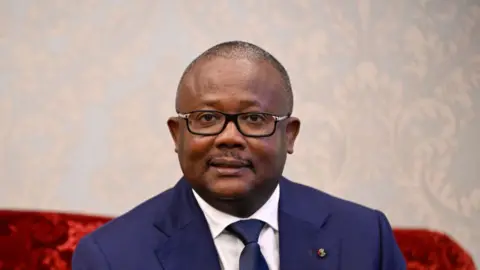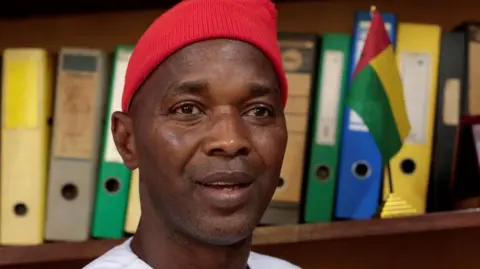
Nigeria has granted asylum to Guinea-Bissau presidential candidate Fernando Dias da Costa just days after a coup prevented the results of the recent election from being announced. The 47-year-old, who ran for the Party for Social Renewal, was under special protection at the Nigerian embassy due to threats against him, as confirmed by Nigeria's foreign minister. Dias was the main challenger to incumbent president Umaro Sissoco Embaló, who has fled the country post-coup.
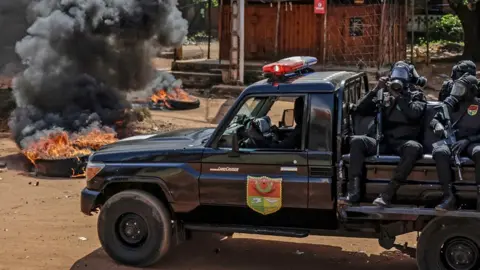
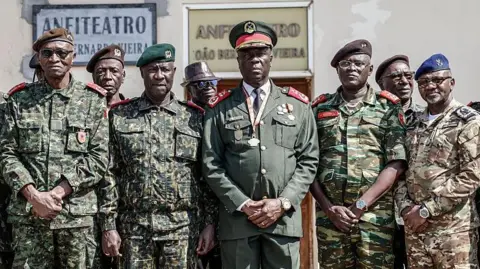
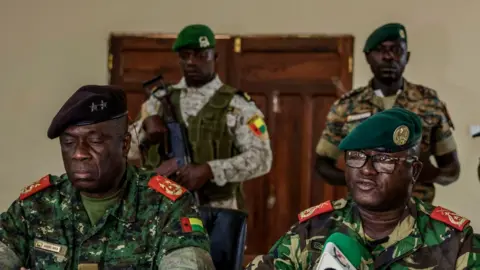
A delegation from the West African bloc Ecowas is in Guinea-Bissau, pushing for a return to democracy and the release of electoral results. Both Embaló and Dias had previously claimed victory in the presidential poll held on November 23. The coup occurred three days after the vote, with the military blocking any further electoral processes, citing a need to avert destabilization.
Amidst heightened tensions, Dias escaped his campaign headquarters as armed men approached to detain him. Nigerian authorities have expressed commitment to safeguarding Dia’s welfare, underscoring a broader aim to protect democratic ideals in the region. The situation remains fraught as the new junta has established strict controls against public demonstrations, and allegations of staging the coup continue to surface.
With a history of political instability, Guinea-Bissau now faces another critical juncture as the international community closely monitors the aftermath of the coup.
A delegation from the West African bloc Ecowas is in Guinea-Bissau, pushing for a return to democracy and the release of electoral results. Both Embaló and Dias had previously claimed victory in the presidential poll held on November 23. The coup occurred three days after the vote, with the military blocking any further electoral processes, citing a need to avert destabilization.
Amidst heightened tensions, Dias escaped his campaign headquarters as armed men approached to detain him. Nigerian authorities have expressed commitment to safeguarding Dia’s welfare, underscoring a broader aim to protect democratic ideals in the region. The situation remains fraught as the new junta has established strict controls against public demonstrations, and allegations of staging the coup continue to surface.
With a history of political instability, Guinea-Bissau now faces another critical juncture as the international community closely monitors the aftermath of the coup.