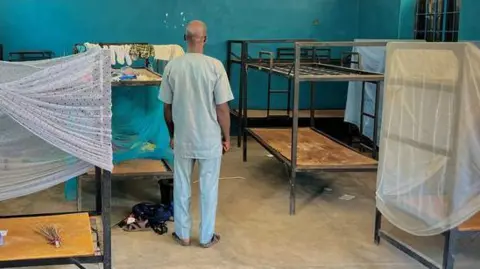
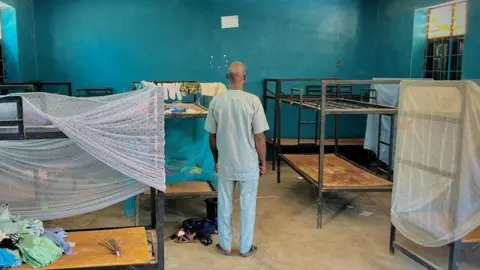
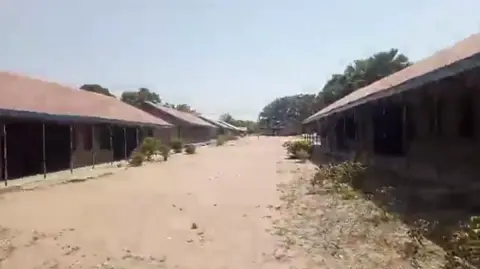
The Nigerian government says jihadist groups Boko Haram and Islamic State in West Africa Province (Iswap) are behind the recent wave of abductions in north-western and central Nigeria, but this has been disputed by analysts who tell the BBC they were committed by criminal gangs locally known as 'bandits'. This is the first time the government has stated who it believes is responsible for the kidnappings but it has not revealed any evidence to back its claims. Kidnap for ransom has become big business in parts of Nigeria in recent years - with the culprits ranging from kidnap gangs, jihadists and separatists. It is a lucrative money-spinner but the government consistently denies paying ransoms. In the past fortnight alone, there have been three mass kidnappings in the region, with varying figures on the number of people abducted and subsequent releases. Paying ransoms has been made illegal in Nigeria, although there are allegations this ban has been widely ignored. Presidential spokesman Sunday Dare stated that 'abundant data' supports the government's view that jihadists are heavily involved. However, analysts like Bulama Bukarti argue that such claims lack accuracy and suggest that recent kidnappings are predominantly the work of local armed groups, illustrating the complexity of Nigeria's security crisis.
Nigeria's Kidnapping Crisis: Jihadists or Bandits?
Nigeria's Kidnapping Crisis: Jihadists or Bandits?
Nigeria's government attributes recent kidnappings to jihadist groups, yet analysts argue that local criminal gangs are the main culprits. The situation exposes deepening insecurity and disputes over responsibility.
Nigeria faces a crisis of mass kidnappings, with the government blaming jihadist groups Boko Haram and ISWAP. However, analysts suggest that local criminal gangs known as 'bandits' are actually behind the spike in abductions. Despite the government's claims, evidence remains sparse, raising questions about the true sources of insecurity in the region. The trend of kidnapping for ransom continues to pose serious challenges for Nigerian authorities and has led to increasing calls for action to protect vulnerable communities.