Nigeria is currently grappling with a spate of mass abductions, but its security challenges extend far beyond this alarming trend. The country is home to over 250 ethnic groups, with a stark divide between the mainly Muslim north and the largely Christian south. The government asserts that victims of various attacks span all faiths.
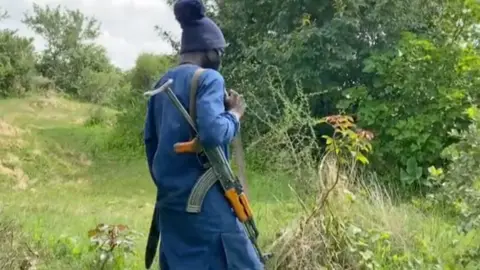
Predominantly in the north-west, criminal gangs—dubbed 'bandits'—have emerged, largely composed of Fulani herders who have shifted from pastoralism to kidnapping for ransom, driven by economic desperation. These gangs possess significant mobility, utilizing motorcycles to execute swift strikes against both local communities and travellers.
In the north-east, Boko Haram, infamous for its mass kidnappings—particularly of schoolgirls—has evolved from a localized Islamist group into a national security threat. This group has splintered into factions like the Islamic State in West Africa Province (ISWAP), which focus more strategically on military targets rather than civilians.
Simultaneously, in the middle-belt region, conflicts over land rights between herders and farmers are escalating, often framed as religious clashes. Ethnic militias have formed in response, exacerbating violence, while in the south-east, groups like the Indigenous People of Biafra (IPOB) are advocating for secession due to perceived marginalization.
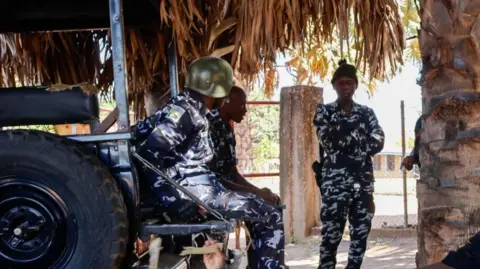
The interplay between these groups and the Nigerian military, which is wildly overstretched with only 400,000 troops for a population of over 200 million, creates a chaotic security environment. As incidents continue to rise, understanding these dynamics is crucial in grasping the full scope of Nigeria's challenges.