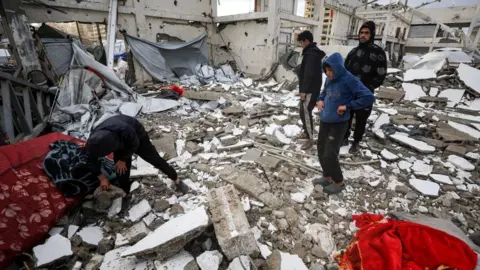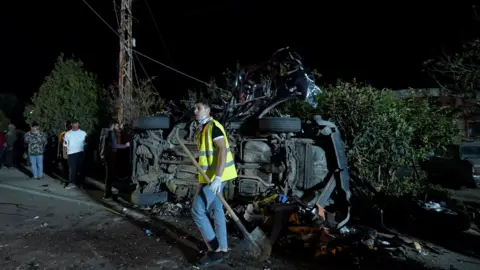
Last Friday, an Israeli airstrike targeted a vehicle in Froun, a village in southern Lebanon known for its association with Hezbollah. After the attack, which resulted in one fatality, residents expressed their anguish over the ceaseless violence. Mohamad Mokdad, a local resident, lamented, Who is going to help us? as he cleaned up debris from his home.
Despite a ceasefire established in November 2024 following an intense conflict that left thousands dead, Israeli military actions continue almost daily, undermining the peace that residents desperately seek. The ceasefire was supposed to mark the end of hostilities; however, Israel insists that its operations are aimed at curbing Hezbollah's military capabilities, which it claims have been on the rise.
The impact of ongoing strikes is profound. Many in the region are questioning their long-standing support for Hezbollah, a group that has historically maintained a stronghold in southern Lebanon. Public criticism of Hezbollah is still relatively rare, but the pressure of endless violence, coupled with the dire humanitarian consequences, has started to shift perceptions.
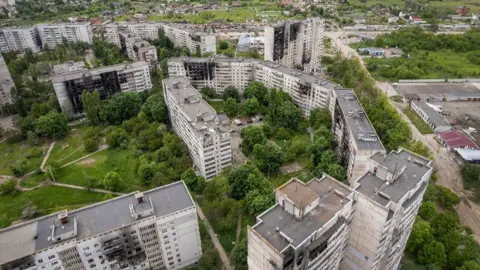
With substantial portions of southern Lebanon still in ruins and many residents displaced, tension is juxtaposed against the backdrop of complex regional geopolitics. The international community has been slow to intervene, primarily due to the ambiguous status of Hezbollah as both a political entity and a militia.
As the situation evolves, the voices of despair grow louder among the populace, with many residents like Nayef al-Rida calling for immediate solutions: We wait for God's mercy. This is no life. The quest for lasting peace remains elusive as Israeli airstrikes haunt the skies, casting shadows over hopes of stability in southern Lebanon.