The Nigerian government says jihadist groups Boko Haram and Islamic State in West Africa Province (Iswap) are behind the recent wave of abductions in north-western and central Nigeria, but this has been disputed by analysts who tell the BBC they were committed by criminal gangs locally known as bandits.
This is the first time the government has stated who it believes is responsible for the kidnappings but it has not revealed any evidence to back its claims.
Kidnap for ransom has become big business in parts of Nigeria in recent years - with the culprits ranging from kidnap gangs, jihadists and separatists. It is a lucrative money-spinner but officials consistently deny paying ransoms.
In the past fortnight alone, there have been three mass kidnappings in the region:
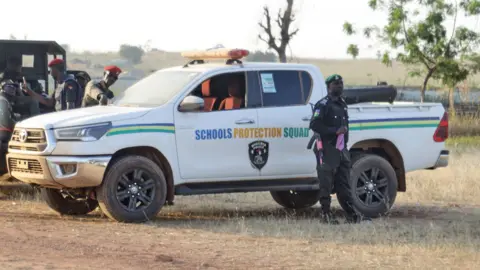
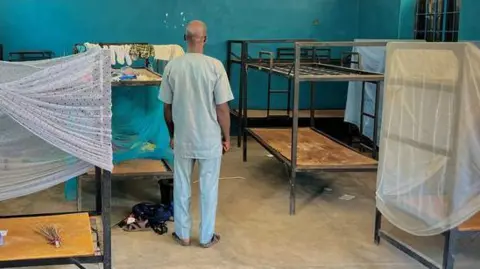
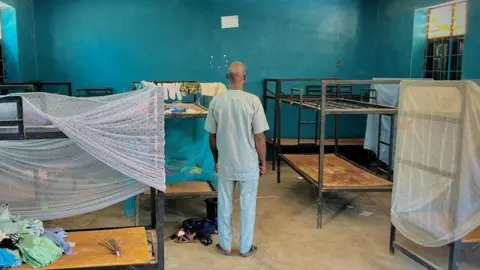
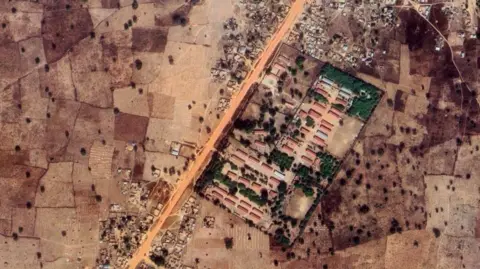
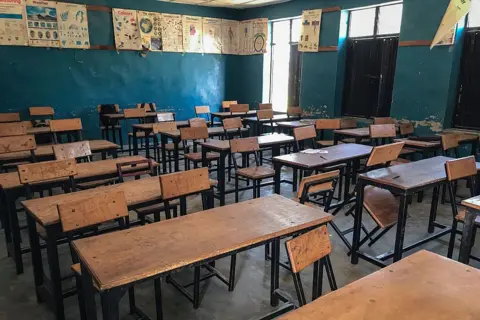
- 17 November - in Maga, Kebbi state, at Government Girls Comprehensive secondary school. Two people were killed and 25 abducted including one teacher - now all free.
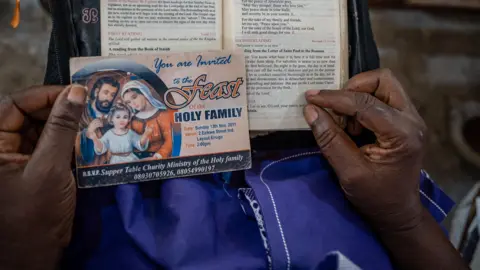
- 18 November - in Eruku, Kwara state, at Christ Apostolic Church. Two were killed and 38 abducted - all since freed.
- 21 November - in Papiri, Niger state, at St Mary's Catholic School. More than 250 children and 12 members of staff reportedly kidnapped, although officials question these figures.
Paying ransoms has been made illegal in Nigeria, although there are allegations this ban has been widely ignored. Speaking to the BBC, presidential spokesman Sunday Dare would not say whether money had been paid to free the minority of abductees who were recently released, simply stating: Whatever processes are involved - kinetic, non-kinetic, negotiations, etc - have been successful.
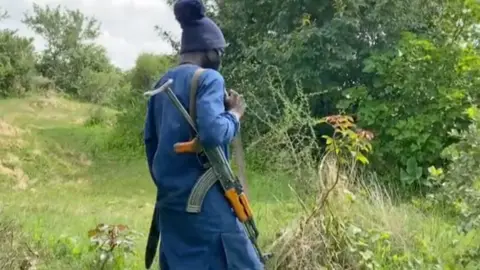
Iswap is a splinter group of Islamist militant group Boko Haram, which has been waging an insurgency in north-eastern Nigeria for more than a decade. Analysts argue, however, that the ongoing kidnappings in the north-west are primarily the work of local armed groups.
Shortly after the mass kidnappings in north-western and central Nigeria, 13 teenage girls were abducted in north-eastern Borno state, likely the work of jihadist groups.
This situation sheds light on the broader security crisis in Nigeria, where conflicting narratives about the nature and motives behind the kidnappings complicate efforts to protect vulnerable communities.