Warning: This story contains descriptions of torture and physical violence. Some readers may find it distressing.
A shopkeeper has told the BBC how Russian mercenaries fighting jihadists in Mali carried out the cold-blooded murder of two men in front of him and then threatened to chop off his fingers and kill him too.
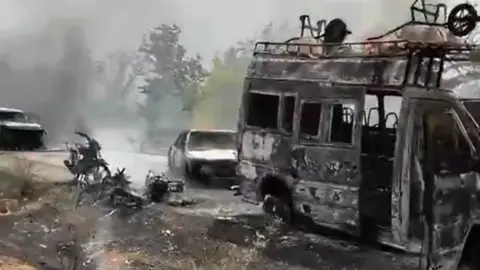
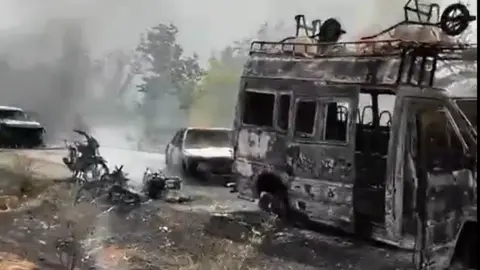
This is one of several similar testimonies collected by the BBC showing the tactics used by the Russian fighters as they waged a brutal counter-insurgency operation against Islamist militants in the West African nation - methods widely condemned by human rights groups.
A military junta seized power in Mali in 2021, forcing French troops to leave after accusing them of failing to stem the insurgency. The junta pivoted towards Russia, enlisting the help of the Wagner mercenary group, which was at the time linked to the Kremlin.
Wagner has since pulled out of the country, and its operations have been taken over by Africa Corps, which falls under Russia's defence ministry.
Some of the Wagner mercenaries highlighted their atrocities on an invitation-only Telegram group until it was shut down in the middle of this year, reported by the European Council on Foreign Relations last month.
They regularly shared photos and videos of murder, rape, torture, cannibalism and desecration of corpses against alleged insurgents and civilians, the report added.
In June, a publication said it had infiltrated the Wagner-linked Telegram channel, finding graphic evidence of atrocities, including severed heads and other extreme violence.
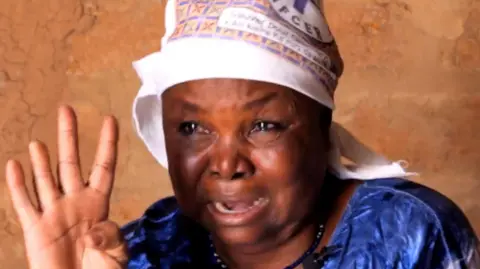
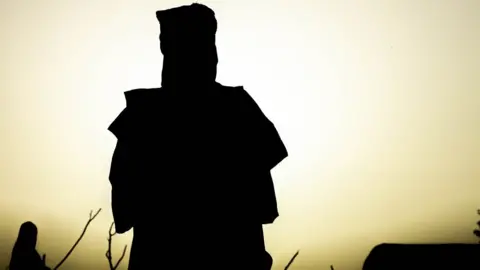
Ahmed, the shopkeeper who fled Mali and now lives in a refugee camp, described being tortured by the mercenaries, who accused him of colluding with jihadists. He witnessed horrific acts of violence, including beatings and murder.
The testimonies highlight a troubling humanitarian crisis in Mali, with nearly 50,000 people seeking refuge in places like M'berra camp across the border in Mauritania. Many, like Bintu and Youssouf, share stories of trauma and survival amidst the chaos, further illustrating the dire situation that civilians face in this conflict-ridden region.
A shopkeeper has told the BBC how Russian mercenaries fighting jihadists in Mali carried out the cold-blooded murder of two men in front of him and then threatened to chop off his fingers and kill him too.
This is one of several similar testimonies collected by the BBC showing the tactics used by the Russian fighters as they waged a brutal counter-insurgency operation against Islamist militants in the West African nation - methods widely condemned by human rights groups.
A military junta seized power in Mali in 2021, forcing French troops to leave after accusing them of failing to stem the insurgency. The junta pivoted towards Russia, enlisting the help of the Wagner mercenary group, which was at the time linked to the Kremlin.
Wagner has since pulled out of the country, and its operations have been taken over by Africa Corps, which falls under Russia's defence ministry.
Some of the Wagner mercenaries highlighted their atrocities on an invitation-only Telegram group until it was shut down in the middle of this year, reported by the European Council on Foreign Relations last month.
They regularly shared photos and videos of murder, rape, torture, cannibalism and desecration of corpses against alleged insurgents and civilians, the report added.
In June, a publication said it had infiltrated the Wagner-linked Telegram channel, finding graphic evidence of atrocities, including severed heads and other extreme violence.
Ahmed, the shopkeeper who fled Mali and now lives in a refugee camp, described being tortured by the mercenaries, who accused him of colluding with jihadists. He witnessed horrific acts of violence, including beatings and murder.
The testimonies highlight a troubling humanitarian crisis in Mali, with nearly 50,000 people seeking refuge in places like M'berra camp across the border in Mauritania. Many, like Bintu and Youssouf, share stories of trauma and survival amidst the chaos, further illustrating the dire situation that civilians face in this conflict-ridden region.