The Trump administration has halted all asylum decisions following the shooting of two National Guard soldiers in Washington DC, the US Citizenship and Immigration Services (USCIS) director has said.
Joseph Edlow stated that the pause would be in place 'until we can ensure that every alien is vetted and screened to the maximum degree possible'.
This announcement came shortly after US President Donald Trump pledged to 'permanently pause migration' from all 'third world countries'.
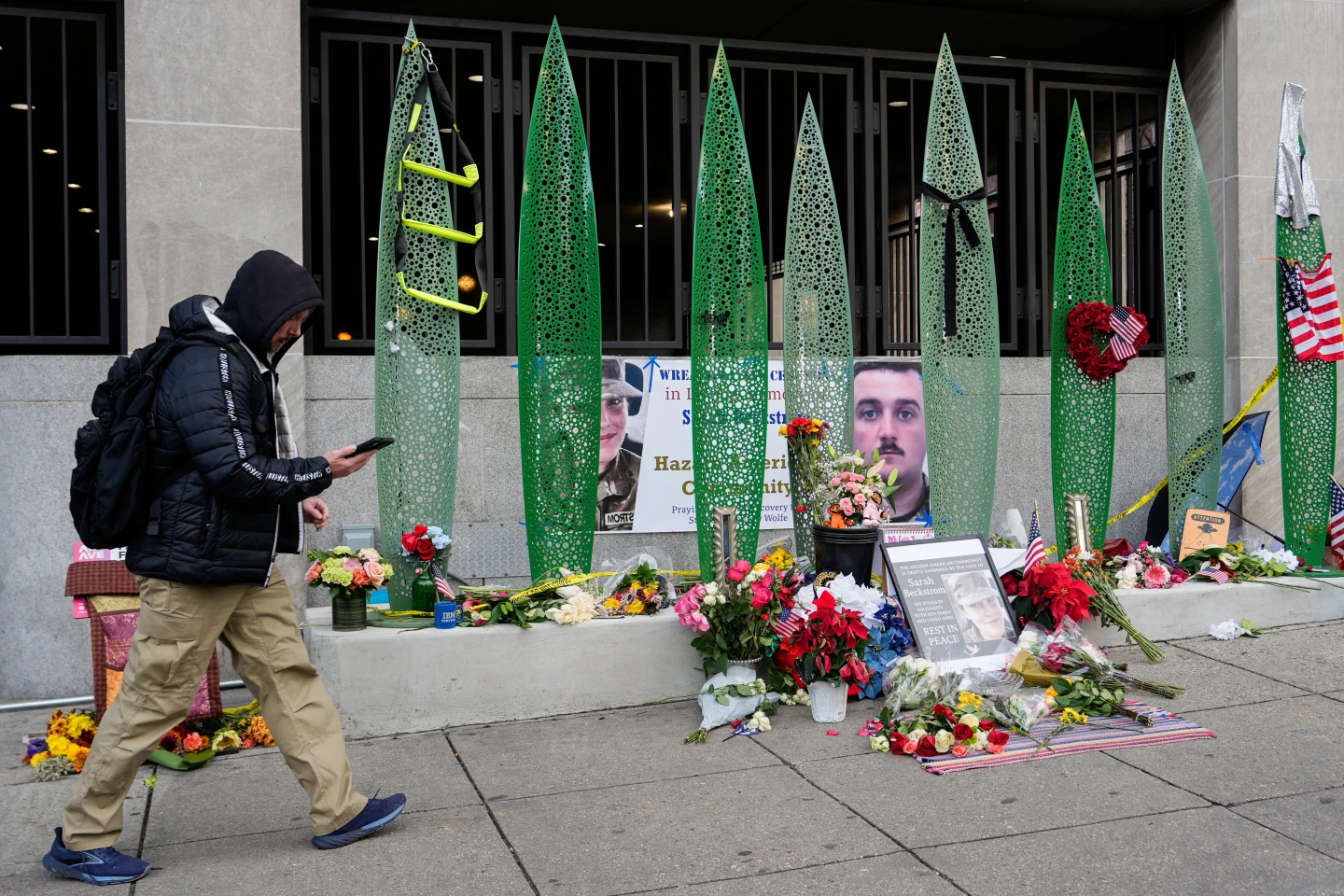
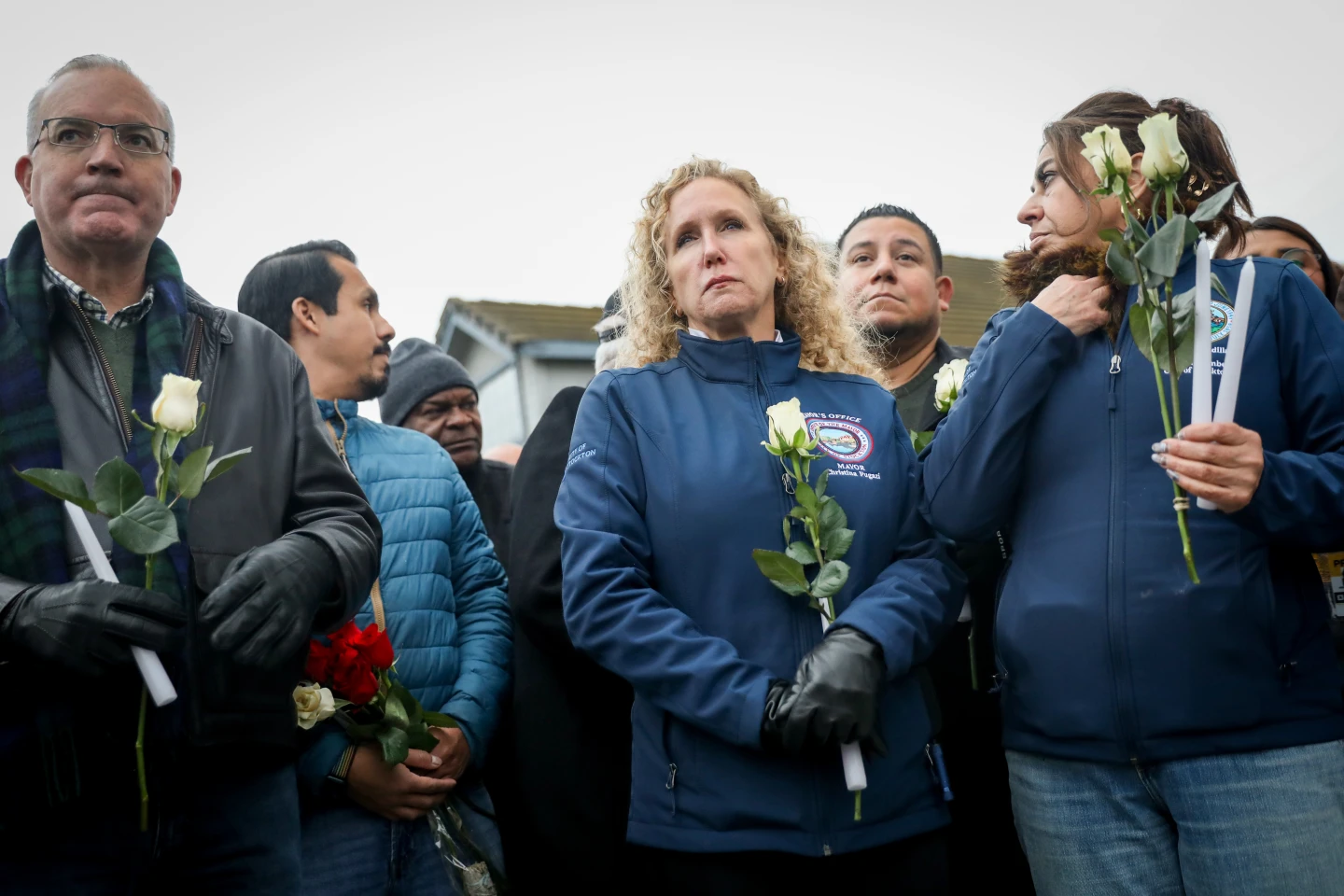
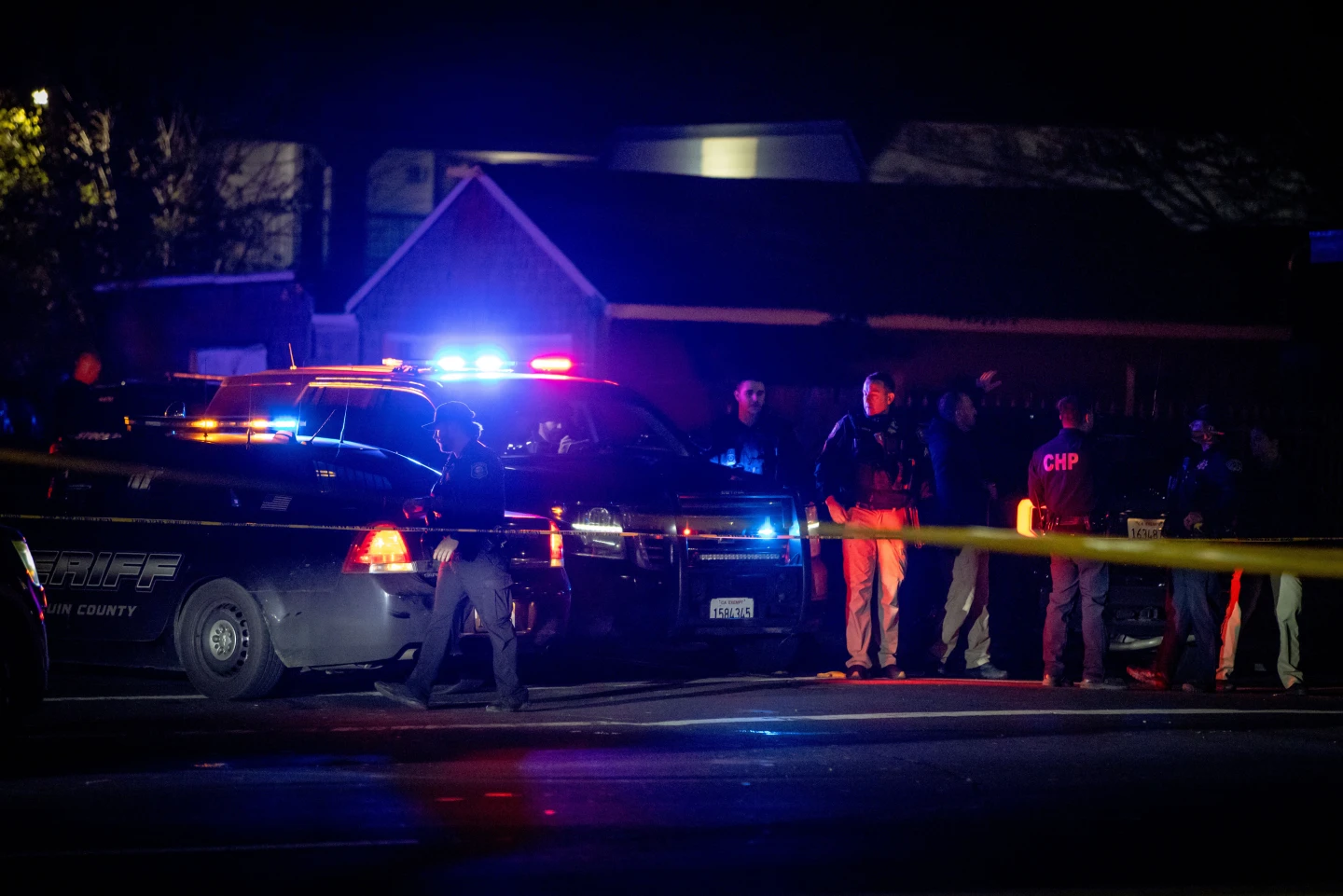
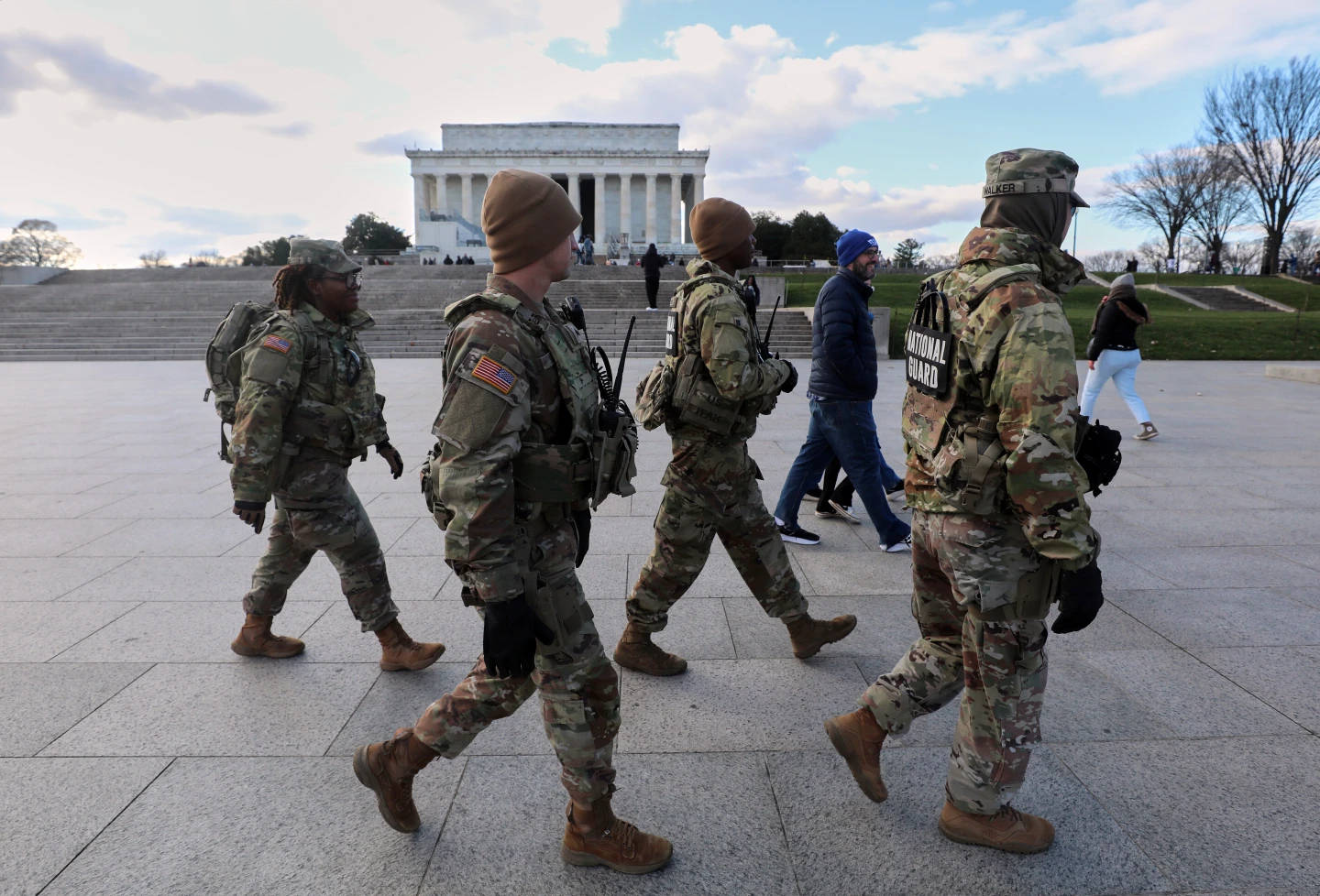
The immigration decisions were triggered by a shooting incident which resulted in the death of one soldier and left another critically injured, with an Afghan national suspected of committing the act.
While the current ban specifically targets Afghans seeking entry to the US, the USCIS has been instructed to refrain from making decisions on asylum applications from all nationalities. Officers may still review cases up to the decision stage but cannot approve or deny applications.
Details surrounding the directive have been scarce; however, President Trump has not clarified which countries would be impacted by this migration pause. The announcement has raised concerns from UN agencies regarding legalities and the treatment of asylum seekers.
In light of Wednesday's shooting, the Trump administration also temporarily halted visas for Afghans associated with the US military, awaiting further review of asylum applications from that nation.
The USCIS's focus on re-examining green cards for individuals from 19 countries without specifying concrete steps adds to the uncertainty for many migrants, challenging their hopes for stability in the US.
Trump's hardline approach towards migrants became evident as he blamed refugees for 'social dysfunction in America', vowing to remove individuals who don’t contribute positively to society.
Trump's recent policies signal a tightening grip on immigration as his second term progresses, with previous attempts to limit refugee admissions and challenge citizenship rights for those born in the US.
The suspect, Rahmanullah Lakanwal—who had arrived in the US under a program meant to protect Afghans who assisted the US military—faces scrutiny as the investigation delves into his background and mental health, which reportedly suffered due to his intelligence work.
As these developments unfold, the intersection of US immigration policy and global humanitarian efforts remains a critical focus, underlining the complex nature of national security, human rights, and international obligations.