Guinea-Bissau's Turbulent Transition: From Coup to Controversy
Military takeovers are nothing new in Guinea-Bissau, a country that has faced at least nine regime changes since gaining independence in 1974. Recent events, however, have left citizens, analysts, and political figures grappling with uncertainty.
After military officers declared on state TV that President Umaro Sissoco Embaló had been removed to prevent a plot against the nation, skepticism arose. Key voices, including Senegal’s Prime Minister and former Nigerian President Goodluck Jonathan, suggested that the coup might have been a facade orchestrated by Embaló himself.
This assertion is fueled by the fact that the military promptly condemned the term 'coup', asserting it acted to thwart destabilization efforts allegedly backed by drug interests. The vague nature of these claims leaves many questions unanswered.
Election Day Drama
Just days before the military intervention, Bissau-Guineans voted in a presidential election where Embaló was seeking a second term against challenger Fernando Dias da Costa.
The morning after the coup, military interference resulted in the suspension of the electoral process and the publication of results—leading to accusations from opposition figures about Embaló’s involvement in the events.
Suspicion Lingers
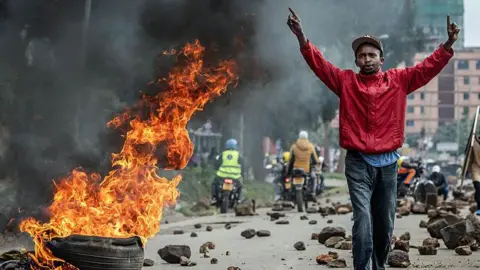
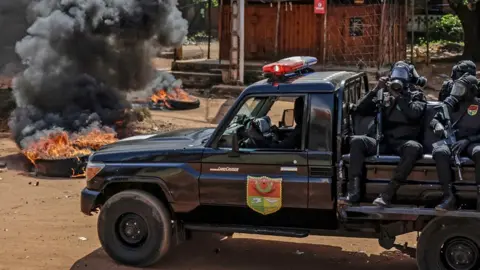
July’s coup was met with a public outcry, demanding transparency in the electoral process. While some citizens look to the military for stability, others rally against the stripping away of democratic rights. Recent protests highlight the polarized responses among the populace.
Gen Horta N'Tam has sworn in as the new leader, expected to preside over a transitional government. Meanwhile, political landscapes remain tumultuous, with accusations flying of previous regime manipulations to stifle dissent.
The future of Guinea-Bissau precipitates uncertainty and unrest as the populace watches closely for a resolution to the ongoing political chaos.