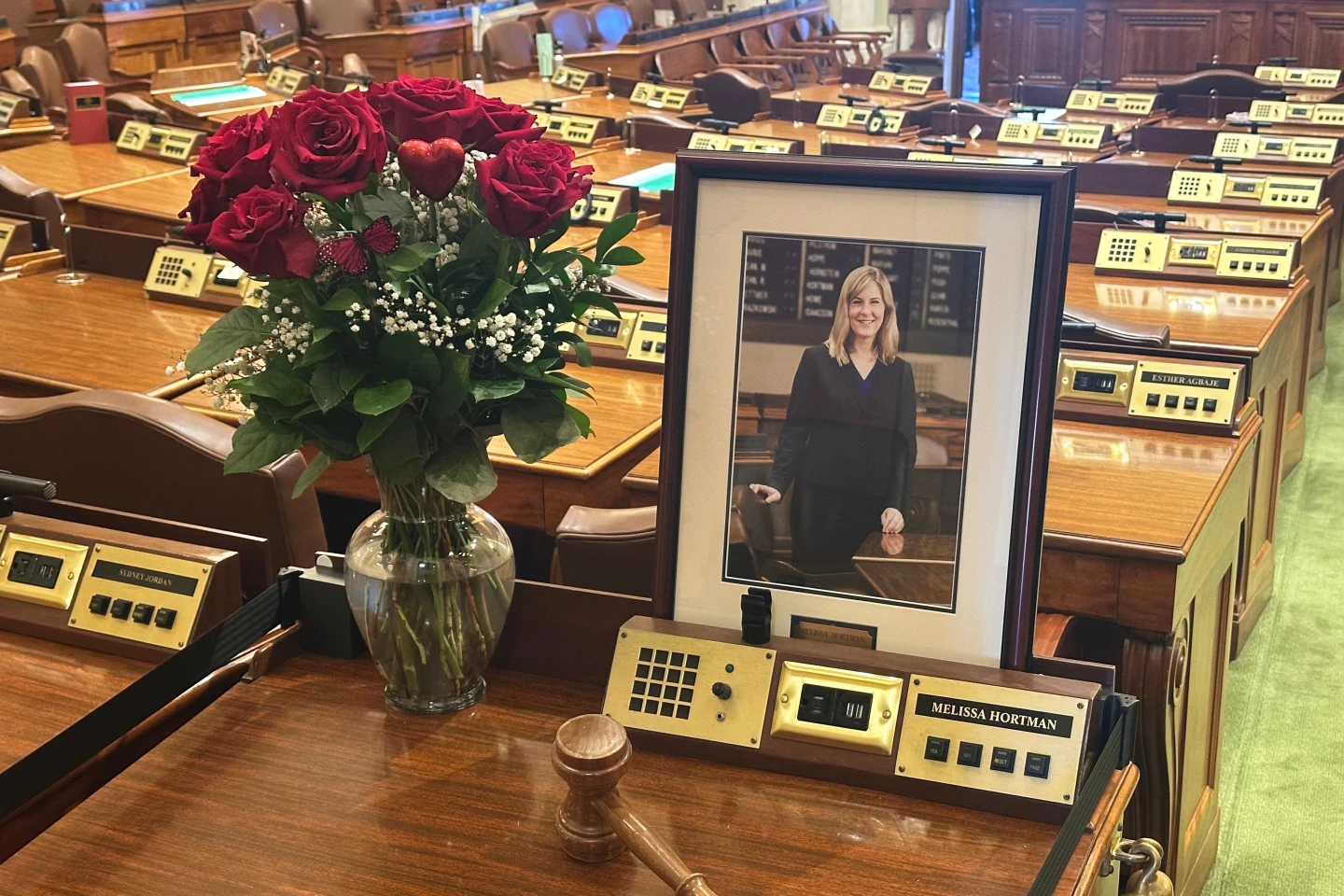
ST. PAUL, Minn. (AP) — Nearly a year after the assassination of legislative leader Melissa Hortman in Minnesota, politicians across the U.S. are tightening security in capitols to protect themselves and their communities. This escalation in safety measures is a direct response to a surge in political violence, including the shocking murder of Hortman last June.
Most state capitols now require locked doors and metal detectors for entry, creating a fortified environment for debates. The recent uptick in attacks on prominent officials, such as Republican activist Charlie Kirk and other political figures, has emphasized the need for heightened protections.
It's crucial for our government to remain functional, especially when our legislators face threats, said Rep. Julie Green. To adapt, 25 states have changed legislation to allow campaign funds to be used for personal security, with efforts ongoing in several more states.
This year, Alabama, Oregon, Nebraska, and Utah have implemented laws for enhanced security, underscoring the urgency of these adaptations following tragic events. Federal spending on security in political campaigns has also seen a drastic increase, aimed at ensuring the safety of candidates in the face of ever-growing vulnerabilities.
While some states are embracing strict security protocols like metal detectors, others, such as Wisconsin, resist these measures, prioritizing open access to legislative spaces. Legislative leaders in Minnesota are also considering establishing a dedicated security unit to protect officials following the violent events that transpired.
As more measures roll out, the aim remains clear: prioritize safety to prevent future tragedies while keeping the democratic process alive and accessible.
Most state capitols now require locked doors and metal detectors for entry, creating a fortified environment for debates. The recent uptick in attacks on prominent officials, such as Republican activist Charlie Kirk and other political figures, has emphasized the need for heightened protections.
It's crucial for our government to remain functional, especially when our legislators face threats, said Rep. Julie Green. To adapt, 25 states have changed legislation to allow campaign funds to be used for personal security, with efforts ongoing in several more states.
This year, Alabama, Oregon, Nebraska, and Utah have implemented laws for enhanced security, underscoring the urgency of these adaptations following tragic events. Federal spending on security in political campaigns has also seen a drastic increase, aimed at ensuring the safety of candidates in the face of ever-growing vulnerabilities.
While some states are embracing strict security protocols like metal detectors, others, such as Wisconsin, resist these measures, prioritizing open access to legislative spaces. Legislative leaders in Minnesota are also considering establishing a dedicated security unit to protect officials following the violent events that transpired.
As more measures roll out, the aim remains clear: prioritize safety to prevent future tragedies while keeping the democratic process alive and accessible.