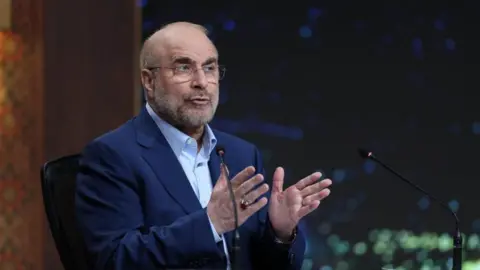
If and when a photograph is taken of US Vice-President JD Vance standing next to Iran's Parliamentary Speaker Mohammad Bagher Ghalibaf in Islamabad this weekend, it will make history. That moment would mark the highest-level face-to-face talks between the Islamic Republic of Iran and the United States of America since the 1979 Islamic Revolution shattered their strong strategic bond and cast a long shadow which still darkens relations to this day.
The two men may not smile. They may not even shake hands. It would not make this troubled relationship any easier or less hostile. But it would send a signal that both sides want to try to end a war sending shocks worldwide, avoid an even riskier escalation, and turn to diplomacy to do a deal. However, the chances of a swift resolution remain slim, as President Trump’s predictions of a 'peace deal' during a shaky ceasefire are deemed unlikely.
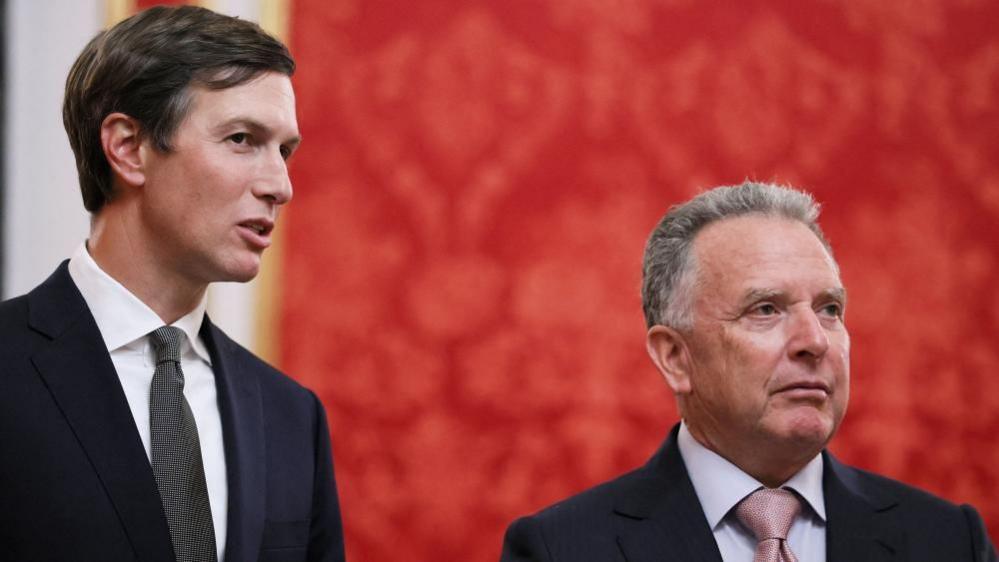
Iran's approach has imposed limitations, insisting that negotiations proceed indirectly through trusted mediator Oman. Diplomatic styles contrast starkly—the US employing envoys perceived as too close to Israel while Iran circles around trust issues stemming from previous talks mired in political aggression. Despite some progress during earlier negotiations, the upcoming talks are expected to be fraught with difficulty amid calls from regional powers for a more inclusive approach to security and missile discussions.
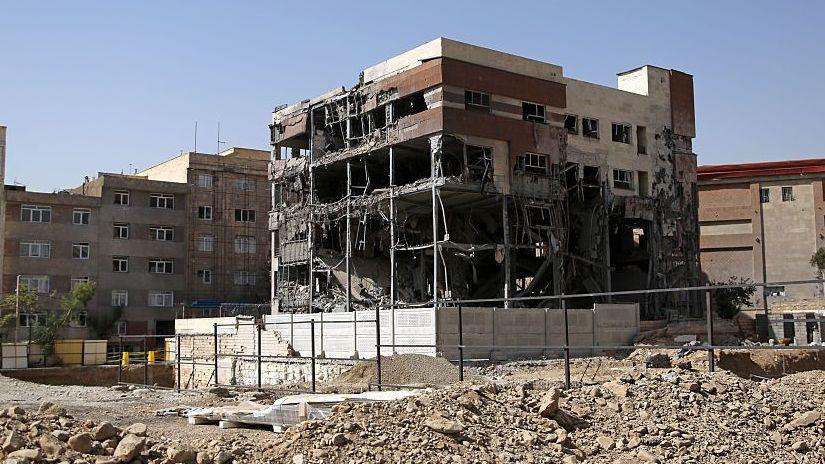
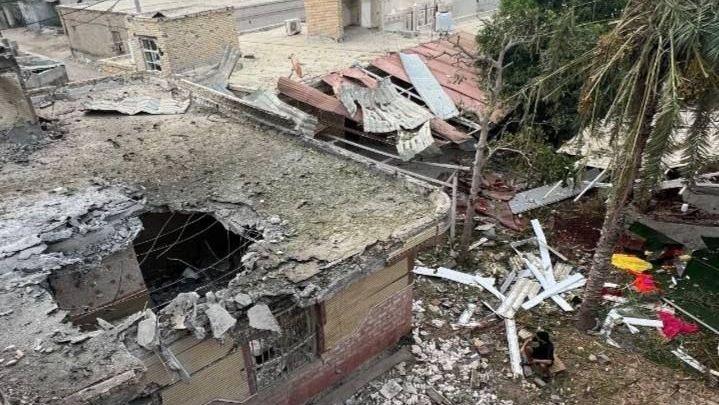
The backdrop of ongoing military conflict only adds complexity to the situation, making diplomatic efforts appear even more critical yet challenging. While there is a push for high-stakes dialogue, distrust lingers. As both nations navigate this treacherous diplomatic landscape, the unique historical parallels to previous negotiations remain a sobering reminder of the challenges ahead.
The two men may not smile. They may not even shake hands. It would not make this troubled relationship any easier or less hostile. But it would send a signal that both sides want to try to end a war sending shocks worldwide, avoid an even riskier escalation, and turn to diplomacy to do a deal. However, the chances of a swift resolution remain slim, as President Trump’s predictions of a 'peace deal' during a shaky ceasefire are deemed unlikely.
Iran's approach has imposed limitations, insisting that negotiations proceed indirectly through trusted mediator Oman. Diplomatic styles contrast starkly—the US employing envoys perceived as too close to Israel while Iran circles around trust issues stemming from previous talks mired in political aggression. Despite some progress during earlier negotiations, the upcoming talks are expected to be fraught with difficulty amid calls from regional powers for a more inclusive approach to security and missile discussions.
The backdrop of ongoing military conflict only adds complexity to the situation, making diplomatic efforts appear even more critical yet challenging. While there is a push for high-stakes dialogue, distrust lingers. As both nations navigate this treacherous diplomatic landscape, the unique historical parallels to previous negotiations remain a sobering reminder of the challenges ahead.