Israeli Prime Minister Benjamin Netanyahu has ordered his government to begin direct talks with Lebanon, he said in a statement on Thursday. Netanyahu emphasized that these negotiations would focus on the critical issue of disarming Hezbollah, the Iran-backed militant group, while also aiming to establish peaceful relations between the two nations. A U.S. State Department official has confirmed that it will host a meeting next week 'to discuss ongoing ceasefire negotiations with Israel and Lebanon.'
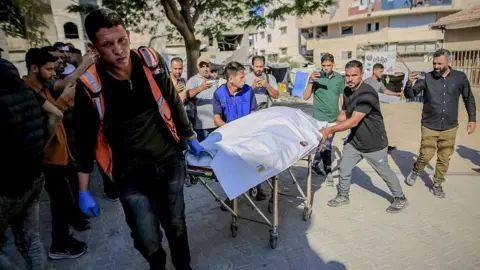
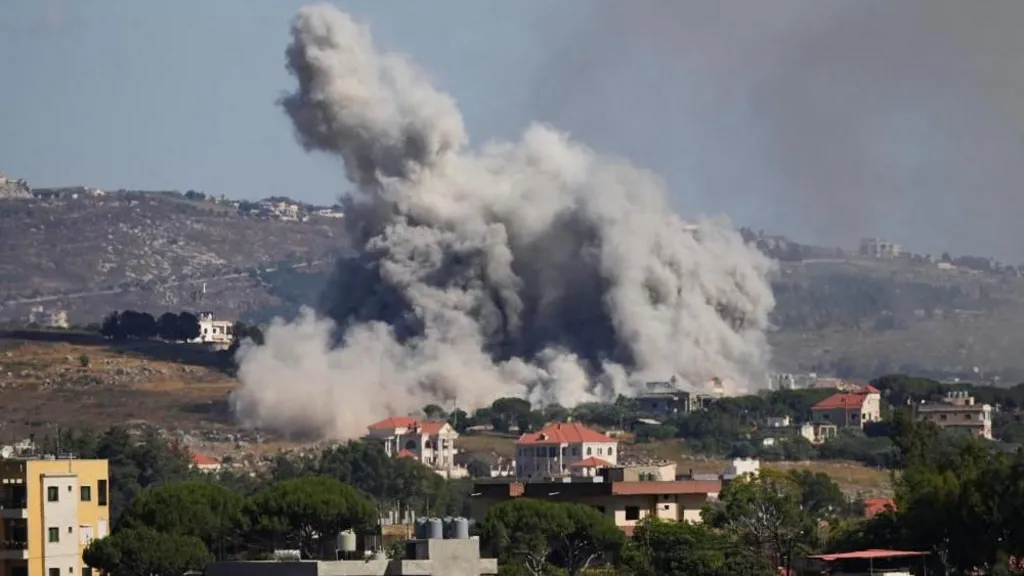
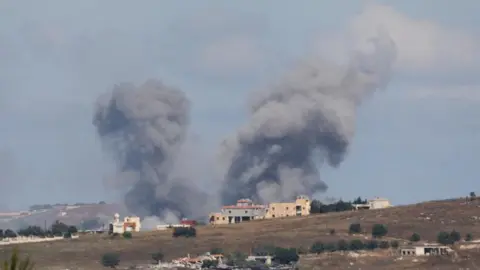
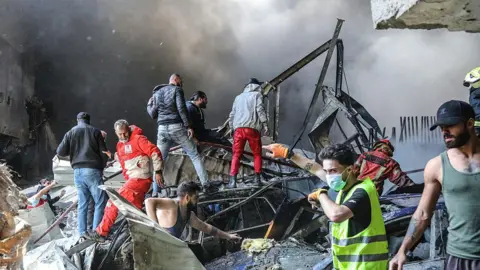
Despite these efforts, Lebanese officials have called for a ceasefire prior to discussions. Contrarily, Netanyahu firmly stated: 'There is no ceasefire in Lebanon.' His statements follow a recent wave of Israeli airstrikes on Lebanon, resulting in the death of 303 individuals and wounding 1,150 others, potentially undermining any prospects for dialogue.
The situation remains tense as the Israeli military continues to occupy significant areas of southern Lebanon, leading to destruction and loss of life. Without a temporary ceasefire, the effectiveness of negotiations is highly questionable. Observers are also concerned about the influence of the Lebanese government over Hezbollah, which operates independently despite having representatives in the government.
As the conflict continues, it raises urgent questions regarding stability in the Middle East. Amid a reported death toll of over 1,800, including numerous children, the humanitarian crisis is deepening, leaving over 1.2 million people displaced. As both sides prepare for discussions, the hope for peace remains precariously balanced against a backdrop of ongoing hostilities.
Despite these efforts, Lebanese officials have called for a ceasefire prior to discussions. Contrarily, Netanyahu firmly stated: 'There is no ceasefire in Lebanon.' His statements follow a recent wave of Israeli airstrikes on Lebanon, resulting in the death of 303 individuals and wounding 1,150 others, potentially undermining any prospects for dialogue.
The situation remains tense as the Israeli military continues to occupy significant areas of southern Lebanon, leading to destruction and loss of life. Without a temporary ceasefire, the effectiveness of negotiations is highly questionable. Observers are also concerned about the influence of the Lebanese government over Hezbollah, which operates independently despite having representatives in the government.
As the conflict continues, it raises urgent questions regarding stability in the Middle East. Amid a reported death toll of over 1,800, including numerous children, the humanitarian crisis is deepening, leaving over 1.2 million people displaced. As both sides prepare for discussions, the hope for peace remains precariously balanced against a backdrop of ongoing hostilities.