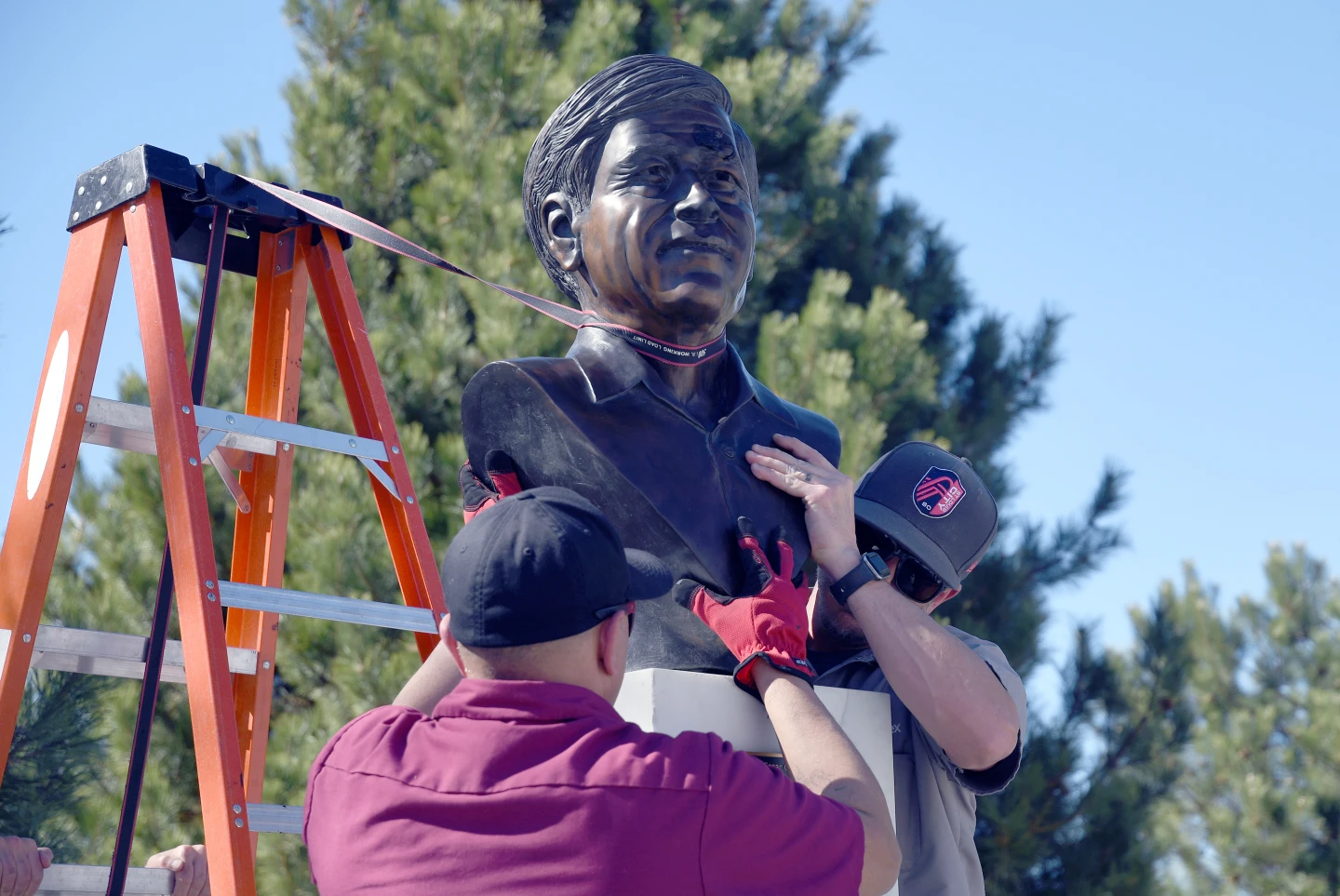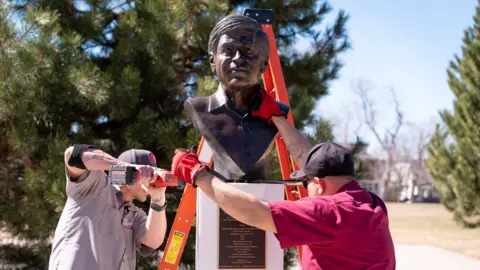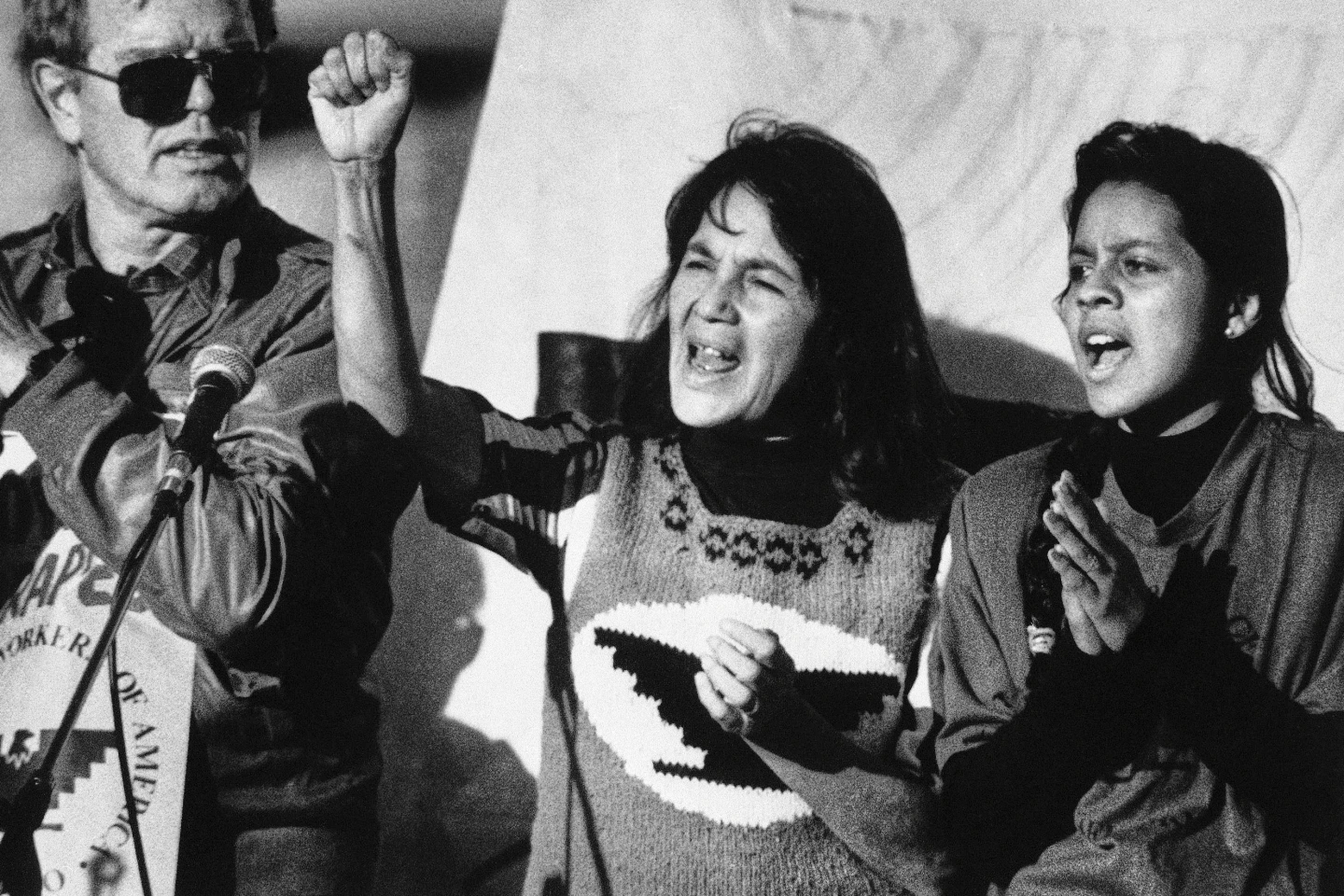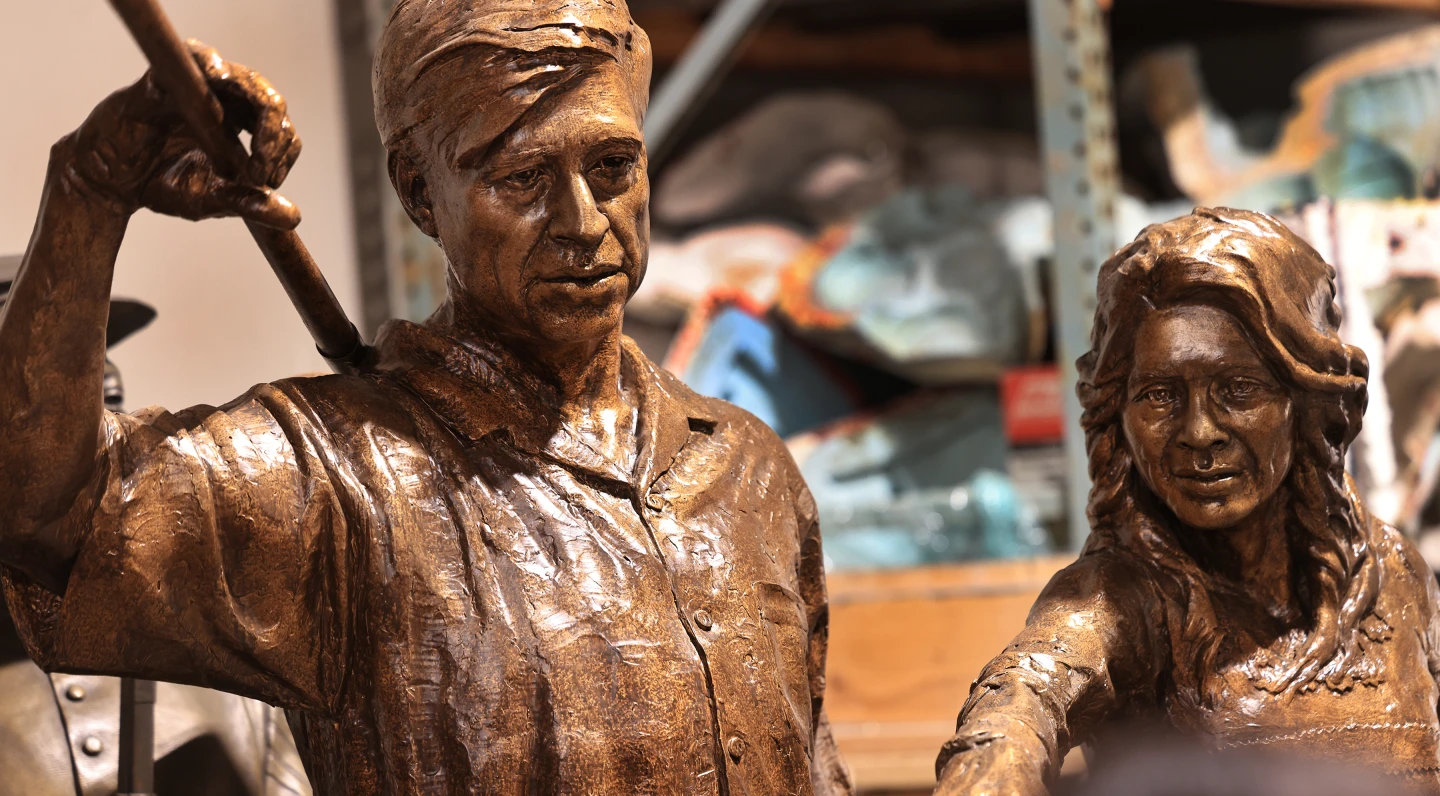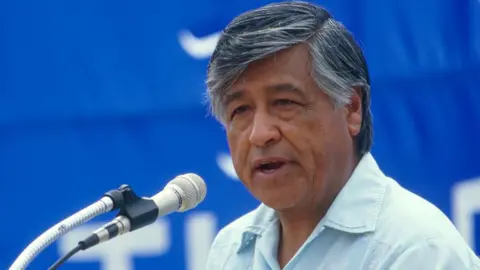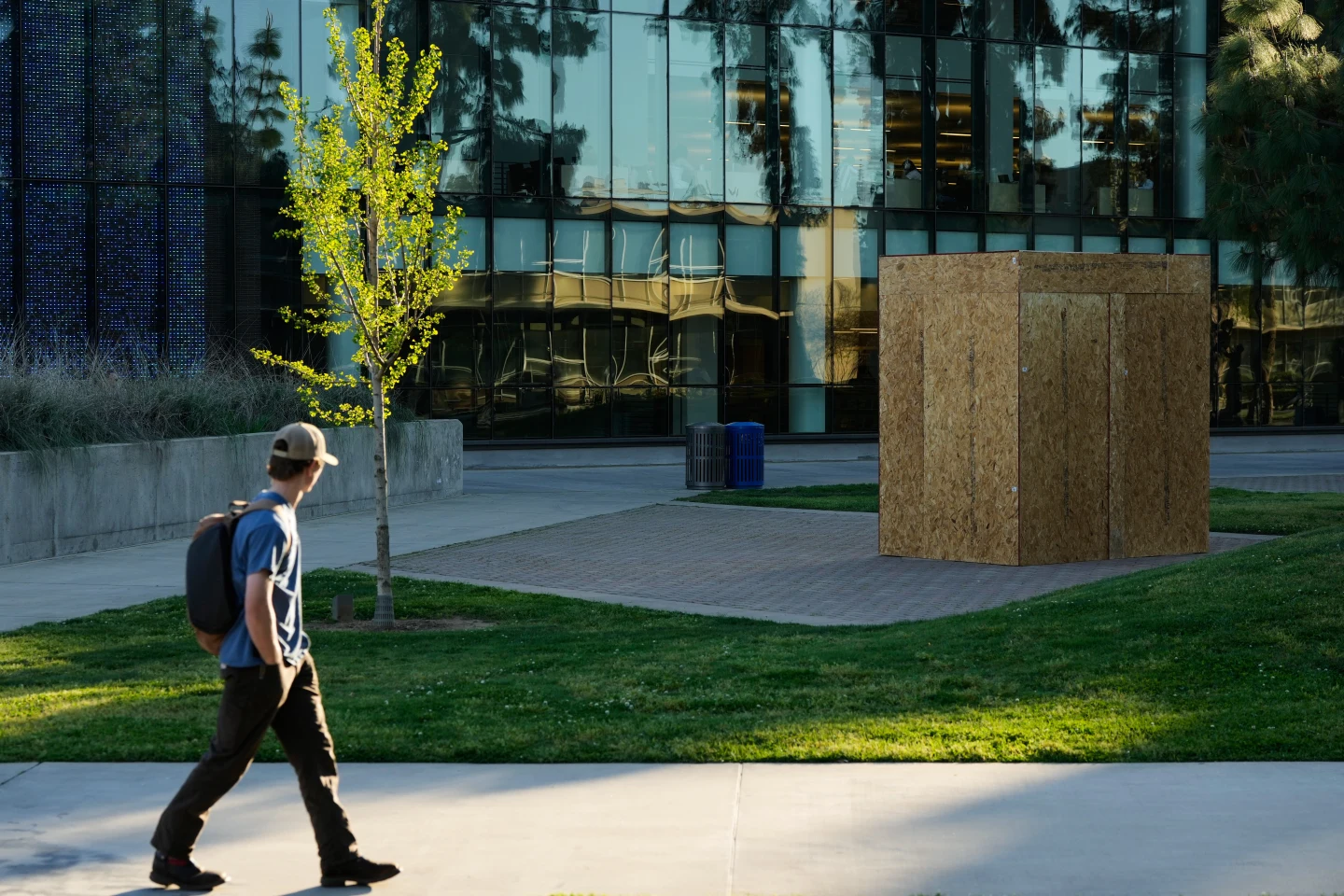
The allegations against César Chavez — involving abuse of young girls and women, including prominent labor leader Dolores Huerta — erupted into a national conversation about his legacy. Immediate actions included the covering of a Chavez statue at California State University, Fresno, with plans for its removal.
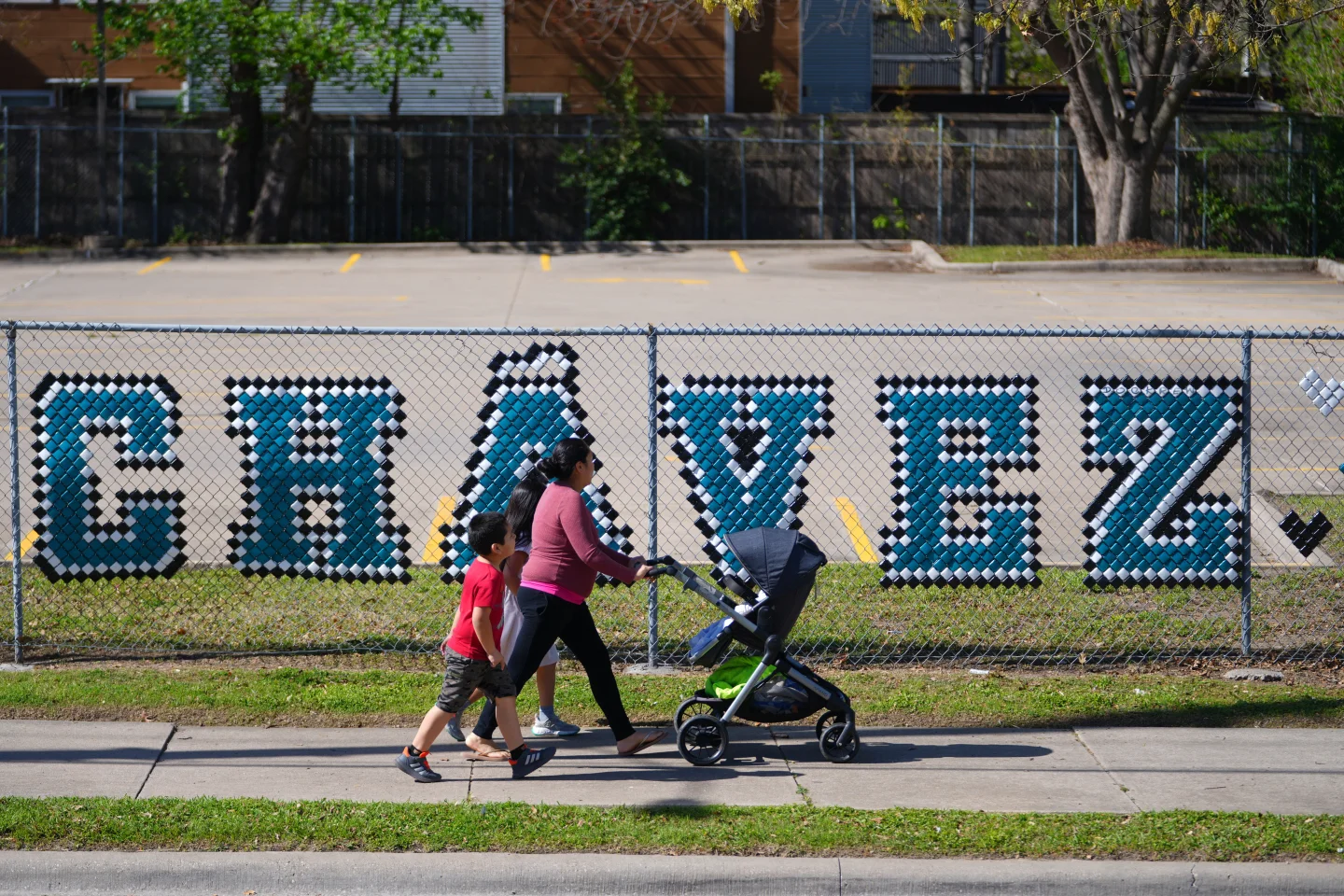
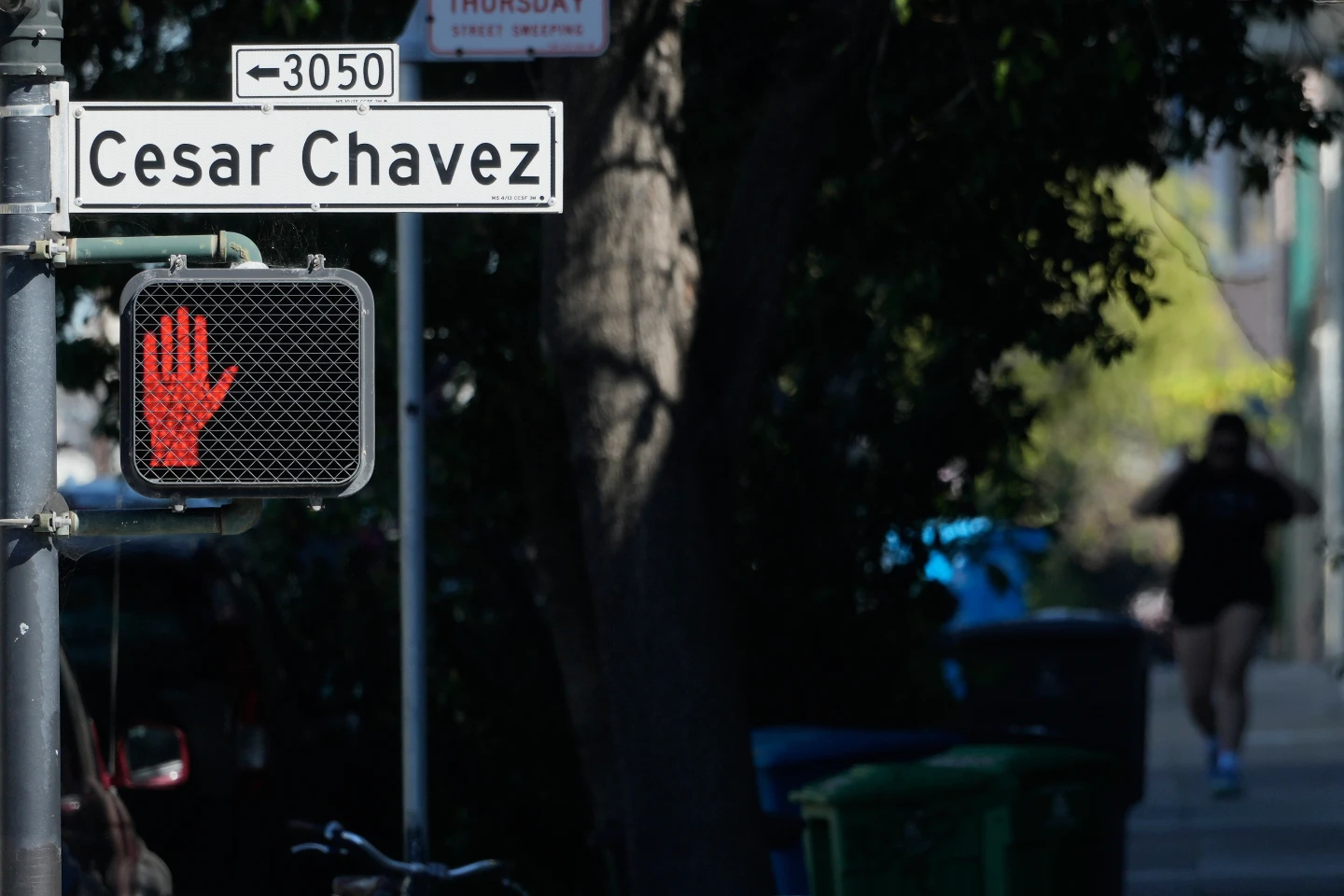
Chavez, celebrated in numerous schools, parks, and libraries across at least 19 states, is increasingly viewed in a negative light as local governments and institutions seek to erase his name from public places. Some are even calling for the renaming of César Chavez Day, observed on March 31, to reflect values of dignity for survivors.
At San Francisco State University, student Luca Broggi Hendryx expressed disillusionment, stating: It feels the opposite of pride to have a building named after Chavez now that we know this. Instead, many are advocating for Huerta's name to take its place as she is also a figure of significant influence in the labor rights movement.
Calls to rename public facilities are echoed in Phoenix and Denver, where Chavez's name might soon be replaced by Farmworkers Day and Sí, Se Puede Day, respectively. This shift reflects a larger social reckoning with figures once widely respected but now accused of severe misconduct.
As students and lawmakers convene to discuss the future of Chavez's legacy, memories of the empowerment he represented are complicated by the trauma his victims endured. Advocacy continues for a future that honors the survivors and advocates like Huerta who fought alongside him.