In brief
The legacy of César Chavez, known for his role in advocating for farm worker rights, faces a crisis as allegations of sexual abuse come to light. Antonio Bustamante, a former member of Chavez’s security team, reflects on how these revelations impact his view of a man he once admired deeply. While community leaders confront this controversial chapter in Chavez's history, they emphasize that the farm worker movement transcends any single individual. As statues are removed and events renamed, people are left to ponder: can we separate the man from his achievements?
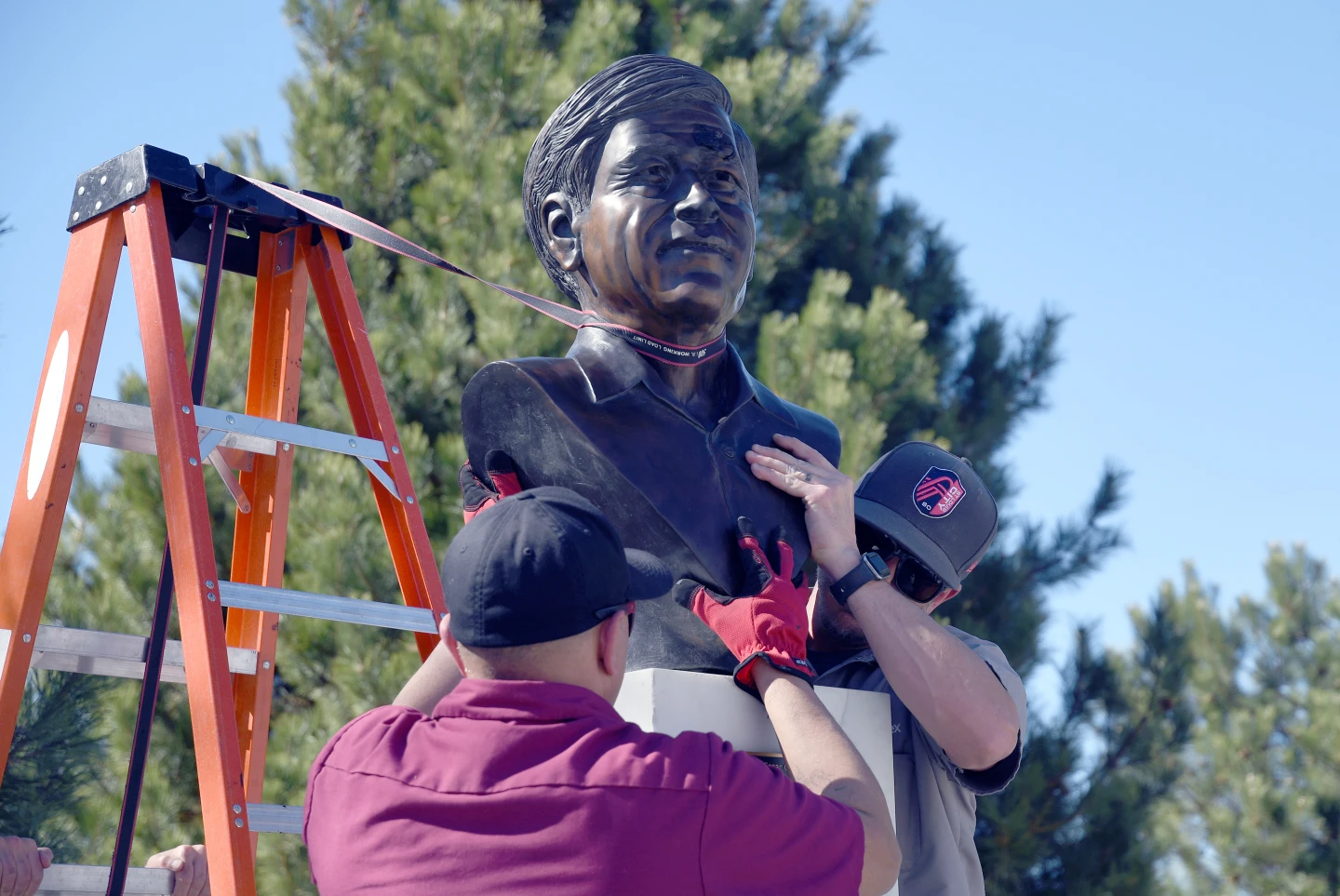
Antonio Bustamante has kept a watercolor of labor leader César Chavez for over 35 years, yet now finds himself torn between admiration and disillusionment after allegations of sexual abuse surface. Bustamante and others must reconcile the man they once revered with the gravity of these claims. Chavez, hailed for his relentless fight for farmworker rights, organized strikes and boycotts that transformed working conditions. As institutions begin erasing his legacy, activists urge a focus on collective efforts rather than individual icons. Advocacy groups assert that the movement’s strength lies in unity and communal history. Amid the fallout, discussions grow on how to preserve the narrative of social justice while acknowledging the complex legacy of figures like Chavez.