In brief
Canadian trade minister Dominic LeBlanc insists negotiations still need work before the midnight deadline. The US hints a deal is “moving along” but threatens new tariffs on Canadian goods if talks stall. While the government could halve tariffs on Canadian steel and cars, critics warn of a one‑sided trade deal. Politicians across Canada weigh job losses against concessions, and the clock is ticking on a trade showdown that could cost 90,000 jobs. The outcome will shape trade relations for years.
At 11:59 p.m. on a Thursday, the world’s trade watchdogs were watching Canada and the United States inch toward a new deal—or a war. A midnight deadline set by the Trump administration made each negotiation minute feel like a race against time.
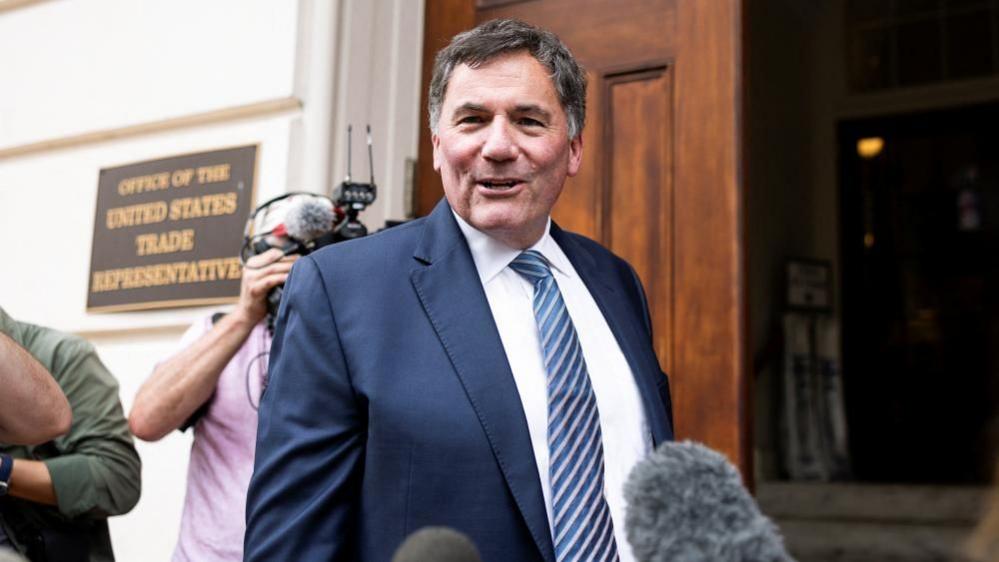
Canadian trade minister Dominic LeBlanc told reporters to the point: "We have more work to do." After an eight‑hour stand‑still with U.S. trade reps, Canada claimed progress but left the final terms hanging.
"We’re here to punch all night,” President Trump told the press, hinting a deal was "moving along" but leaving the bottom line unclear. He warned of a new wave of tariffs if an agreement failed, potentially raising duties on everything from steel to auto parts.
Leaked details suggest the U.S. would lower tariffs on Canadian steel and aluminium from 50 % to 25 % and Canadian cars from 25 % to 15 %. In return, Canada would lift its retaliatory bars on U.S. alcohol and could open its dairy market to American producers.
Inside Canada, politicians split over the deal’s cost. Premier Wab Kinew urged the government to fight hard for better terms, while others, like Quebec’s premier Christine Fréchette, said they were weighing impacts on dairy farmers before approving new U.S. alcohol sales. Former U.S. Vice‑President JD Vance famously snorted that Canada had tried to “out‑tough” Donald Trump, calling the negotiations funny.
The stakes are high: a study estimated the new tariffs could erase 90,000 Canadian jobs. A poll by Leger shows 56 % of Canadians would not support major concessions to the U.S. as the trade war heats up.
As the clock ticks toward midnight, Canada’s leadership faces a tough choice—accept a compromised tariff to keep trade flowing or keep fighting for higher standards at the risk of hefty, on‑the‑table tariffs. The next few hours will decide the future of $150 billion of trade, the livelihoods of 90,000 Canadians, and the balance of power in the North American economy.