In brief
Donald Trump signed an executive order to strip endangered status from grey wolves and Mexican wolves, sparking a firestorm. Ranchers see it as a boost for livestock security; conservation groups warn about risking decades of recovery work. With 319 Mexican wolves alive in 2025 but grey wolves still considered endangered, the order gives Interior Secretary 90 days to weigh whether these packs have bounced back. Critics say wolf attacks on cattle are rare and the move could erode federal safeguards. Supporters argue the move supports a crucial industry facing beef price pressures.
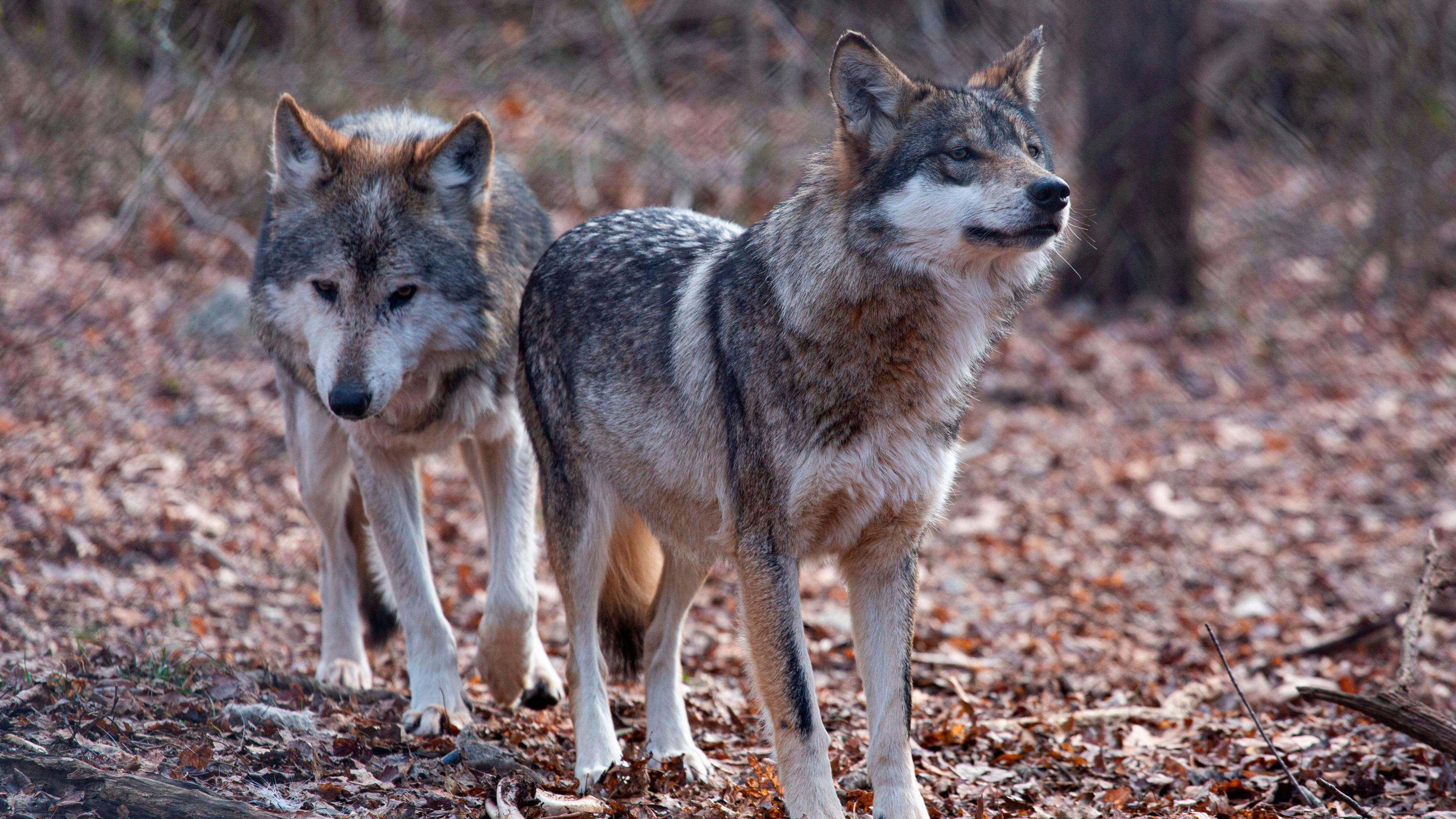
Donald Trump signed an executive order that could patch grey wolves and Mexican wolves off the endangered species list. The move is seen by some ranchers as a win for livestock protection, while others fear it could undo years of conservation effort.
Key facts: Up to 18,000 grey wolves roam the US, yet most still lose habitat. Mexican wolf numbers are growing – 319 in 2025 after reintroductions started in 1998. Ranchers argue increased wolf kills would protect their herds.
Conservationists slam the order. They say wolf attacks on cattle happen rarely and have a minimal financial impact. They warn that removing federal safeguards could halt recovery progress and long‑term protection.
The order gives the Interior Secretary 90 days to decide whether populations have recovered enough to be removed from the endangered list. It doesn’t immediately allow ranchers to kill wolves, only gives the possibility to review status.
'This move grants extra support to a struggling livestock industry and could curb wolf‑livestock conflicts,' said a rancher spokesperson. In contrast, an environmental advocate said the order is a 'policy misstep aimed more at a small niche than the broader ecosystem.'