In brief
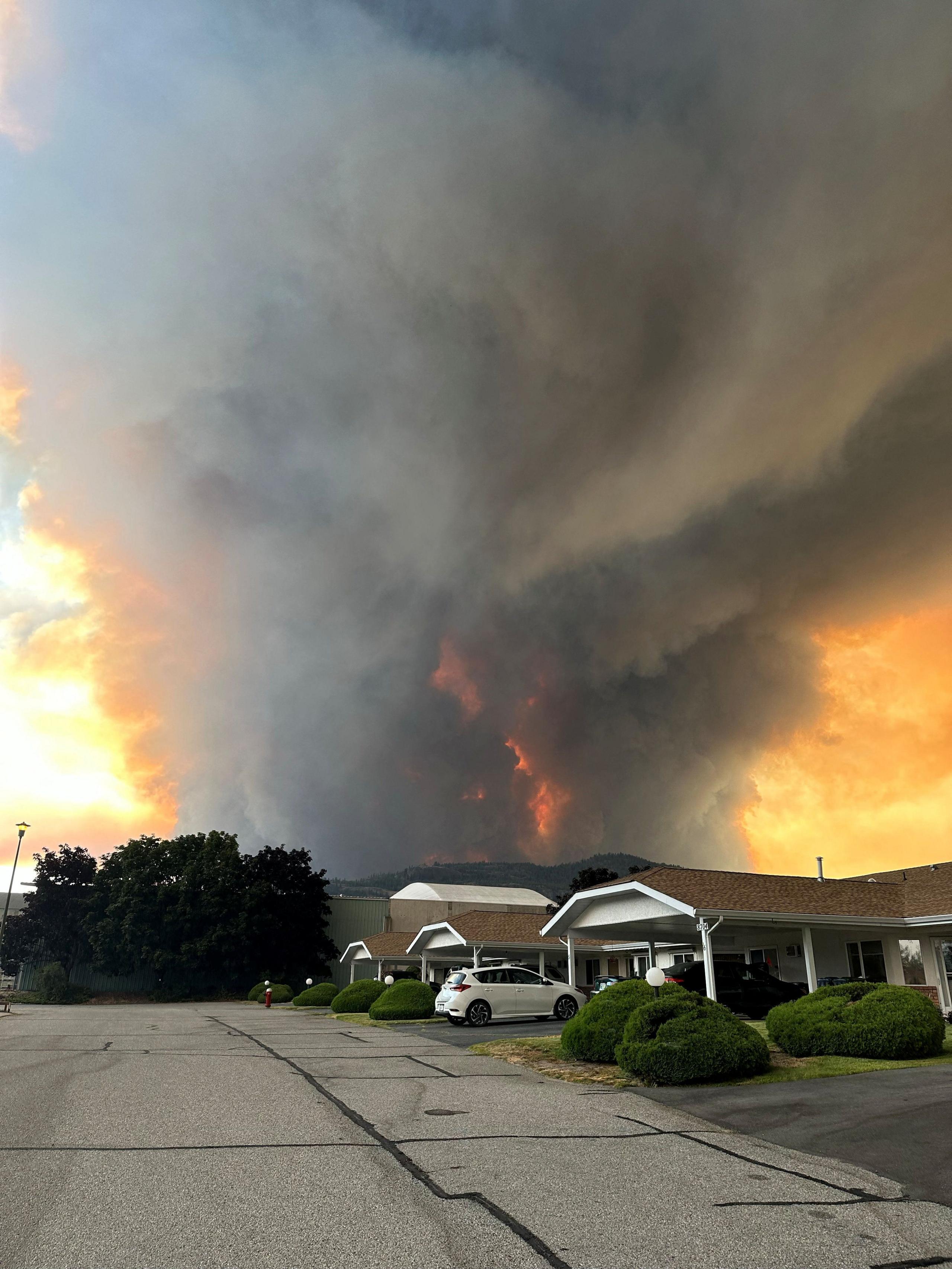
A wildfire in British Columbia exploded in size, cutting through forests and forcing the evacuation of over 20,000 residents. Premier David Eby declared a state of emergency, giving the government power to restrict travel and protect supplies. The blaze, dubbed the "Bald Range" fire, ignited flames so high that they created lightning and formed their own weather systems. Local communities, including farms and senior homes, are scrambling to move people and animals to safer areas. While the full damage tally remains unclear, the incident highlights Canada’s growing wildfire crisis and its ripple effects across North America.
What’s Hitting BC?
The Bald Range wildfire – now over 39 square miles – has doubled in size since Friday, sending firefighters scrambling and people fleeing their homes. Officially, it’s the fastest‑growing fire seen in the province this year.
Premier David Eby described it as “a bomb going off,” noting that the flames were so tall the fire actually generated its own weather systems, including lightning.
The state of emergency gives the provincial government special powers – from restricting travel to shielding the market against price gouging – and boosts rescue support across the Okanagan, Peachland, and other towns.
Hundreds of residents, including those in senior housing, were relocated, and farmers struggled to save their horses. Some owners even marked their animals to help identify them when they ran away.
The Wider Wildfire Picture
BC’s emergency mirrors a larger trend: Canada has seen nearly 200 wildfires burn this summer, with locations as far north as Ontario and as far south as the Okanagan. In Toronto, smoke turned Baltimore air districts into the world’s most polluted zones for days.
Across the border, smoke bothered cities in the U.S. – Minnesota, New York, Washington – adding fuel to a national discussion about wildfire impacts and environmental policy.
As the fire continues to spread, residents and officials wait for more data, hoping the government can bring the blaze under control while protecting communities and the environment.