In brief
China’s finance ministry has announced a 360 bn yuan ($54 bn) cash injection aimed at shoring up its key state banks and insurance firms. The money will give these institutions more leeway to lend to businesses and households, strengthening their resilience to global shocks. The move comes amid trade tensions, the Iran war’s impact on oil prices, and an ageing population, all of which have slowed the country’s growth. Beijing is hoping the boost will help pull the world’s second‑largest economy out of a fourth‑quarter slump and restore investor confidence.
China Pumps $54 bn into State Banks to Revive Economy
China’s finance ministry is gearing up to channel 360 bn yuan (about $54 bn) into eight state‑owned banks and insurers. This cash splash is intended to boost the banking system’s liquidity, cut borrowing costs, and support the real economy.
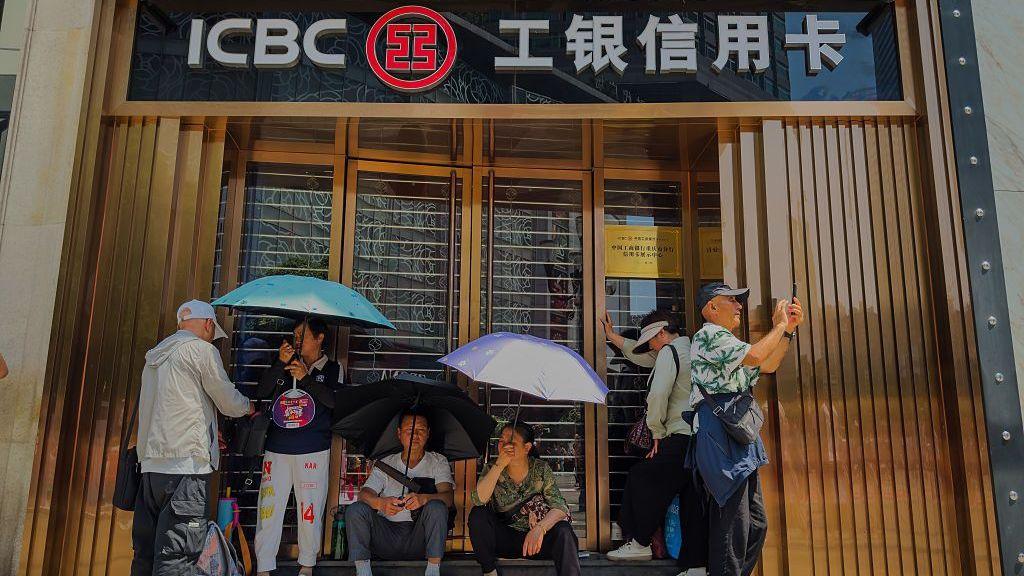
The funds will go to big lenders like the Industrial and Commercial Bank of China, Agricultural Bank of China, and to insurers such as China Export & Credit Insurance Corporation. Xinhua said the move will enhance the “operating capabilities, risk‑resistance, and real‑economy service” of these institutions.
China has been facing a range of challenges: weakening domestic demand, an ageing workforce, a slump in the property market, and external pressures such as US‑China trade frictions and the Iran war’s effect on oil prices. Beijing’s latest stimulus is part of its broader strategy to keep its economy in motion.
National security chief Xi Jinping has long linked financial stability to China’s long‑term security. The government hopes that by strengthening banks’ capacity to lend, the economy will rebound faster, and the country will better withstand global uncertainties.
Official GDP figures released in July showed a 4.3 % growth in Q2, below the 5 % target set in 2023. The swift injection could give banks a fresh boost to support private and public investment alike, signalling Beijing’s commitment to steering the country toward steady growth.