In brief
In a startling revelation, China has begun probing the use of formaldehyde—an industrial preservative banned for food—to keep cabbages fresh. Footage captured in Hebei province shows vegetables soaked before loading onto trucks, sparking nationwide concern. The world’s largest cabbage producer faces scrutiny as authorities promise market checks and legal action. Experts warn that while small exposures are unclear, the practice pits profitability over safety and raises questions about food regulator oversight.
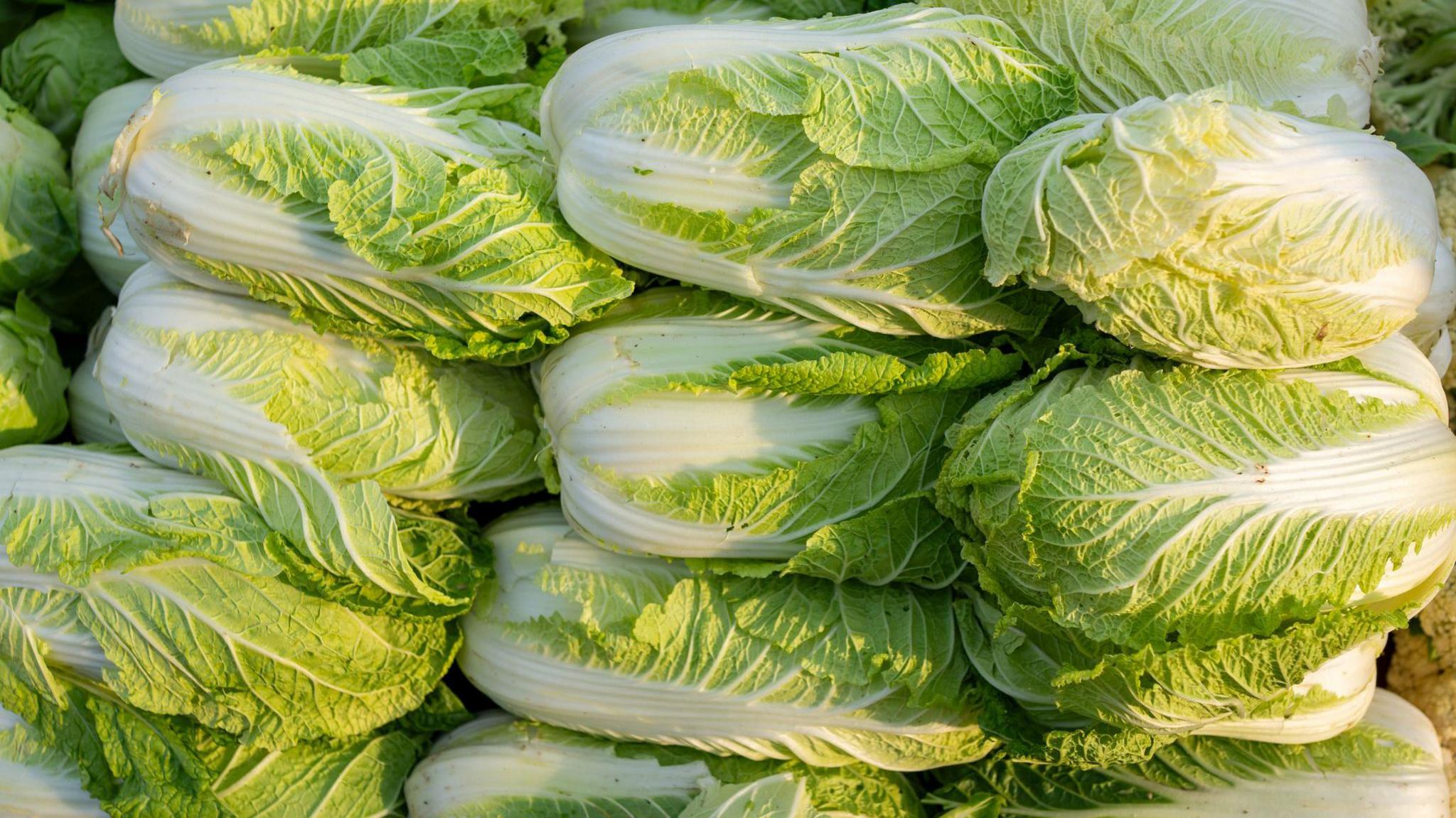
China is probing a bizarre method used to keep cabbages crisp: dipping them in a solution of formaldehyde, a chemical that’s normally used to preserve biological specimens and is linked to cancer. Authorities in Hebei province confirmed that footage publicly released by an environmental blogger shows the vegetables being soaked before truck‑loading.
The practice is illegal—formaldehyde is strictly prohibited for food in China. Police have taken action against the individuals, and the Ministry of Agriculture says spot checks will sweep markets nationwide. The goal: prevent panic, restore confidence, and trace any affected produce.
China produces more than 30 million tonnes of cabbages a year, nearly half the world’s supply, and the crop is exported to neighboring Asian markets like Vietnam, South Korea, and Russia. The scandal has triggered intense media scrutiny; the People’s Daily labelled wholesalers who cut corners “disregarding lives and health” and “crossing a legal red line.”
Medical experts note that high exposure to formaldehyde in some workplaces is linked to cancer, but the health impact of very small amounts—such as those that might be left on produce—is less clear.
If the probe confirms widespread use, it could shake consumer trust and lead to stricter enforcement across China’s vegetable supply chain.
Data: 3 hours ago (release date).