Why Some Indian Civil Servants Are Turning into Superheroes on Social Media
If you’ve seen a viral clip of a government officer shaking a phone or stamping a licence, you’re catching the trend of “heroic” bureaucrats. In India, a few civil servants are taking their jobs to the next level—enforcing food safety, busting illegal buildings, and making sure rules are followed—while getting millions of likes.
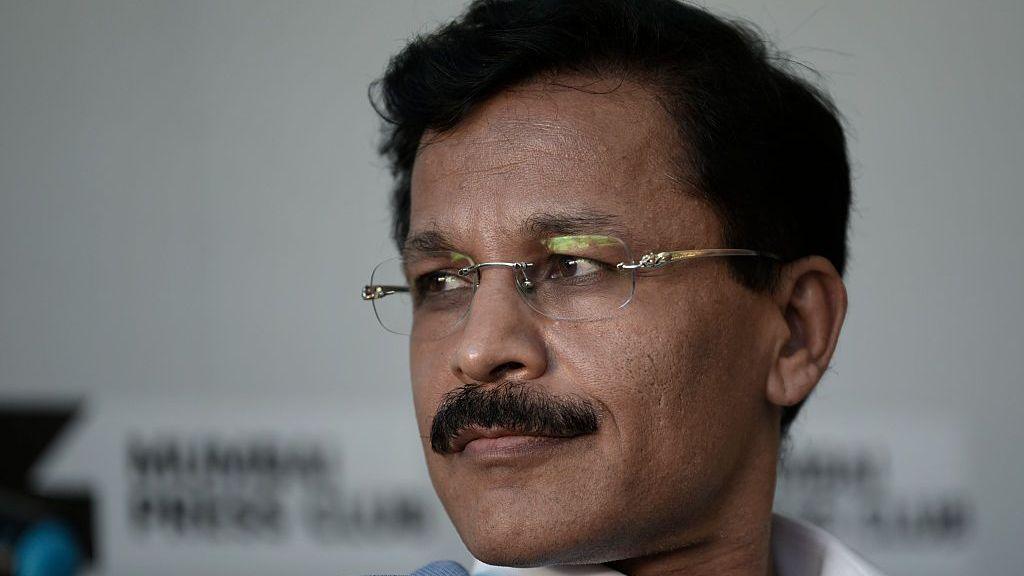
Meet Tukaram Mundhe, 51, the Maharashtra Food and Drug Administration commissioner who has been conducting strict inspections of restaurants and food stalls since May. His videos show hidden rodents, expired products, and kitchens that are in violation of health codes. When he uncovered a pest infestation, he got the offending shop shut down, and the clip went viral almost instantly.
An earlier hero is RS Batth, the district town‑planner in Gurugram who is known for clearing illegal encroachments. His plans to protect the city’s official zoning rules have earned him both praise and backlash, but his dedication to clean city planning captivated many on Instagram and TikTok.
What makes these officers overlook the usual bureaucracy is that they actually cut through red tape. In India’s government, routine services can take months, many citizens are used to bribery, and delays are everyday habits. So when someone swiftly enforces a rule, it feels like magic—hence the public’s excited reaction.
Famous figures such as Kiran Bedi, TN Seshan, and Ashok Khemka also rose to national attention by acting on principles and standing up to political pressure. Their stories become the poster child for the “honest” bureaucrat archetype—rare, but unforgettable.
However, the viral fame is a double‑edged sword. Sundar, a former civil servant, notes that filming a single inspection can turn a local issue into a nationwide debate in hours. The same media attention can paint an officer as a hero or a tyrant, depending on how the story is framed.
It’s not just about popularity, says Mundhe. He says his work is driven by public health, not by a desire for fame. To him, the rules already exist—he just has to enforce them. Still, for people who struggle to get basic services, watching someone reach a “no‑bribery” frontline can be inspiring.
In the end, the rise of these “super‑bureaucrats” shows that transparency and enforcement can turn ordinary duties into crowd‑pleasing stories. As social media spreads these moments worldwide, citizens everywhere see that good governance is possible—one viral video at a time.