In brief
In the dry plain of Bundelkhand, a Dalit woman named Mamta must journey hundreds of metres in blistering heat to fill buckets from a handpump that older, dominant crowds seize first. The region’s frequent droughts and harsh climate magnify tensions over scarce water, revealing how caste hierarchies still dictate resource access. While local authorities deny discrimination, data shows hundreds of hate‑based complaints recorded in recent hot months. Efforts to restore ponds and deliver piped water are underway, but climate change merely amplifies existing injustices, urges researchers.
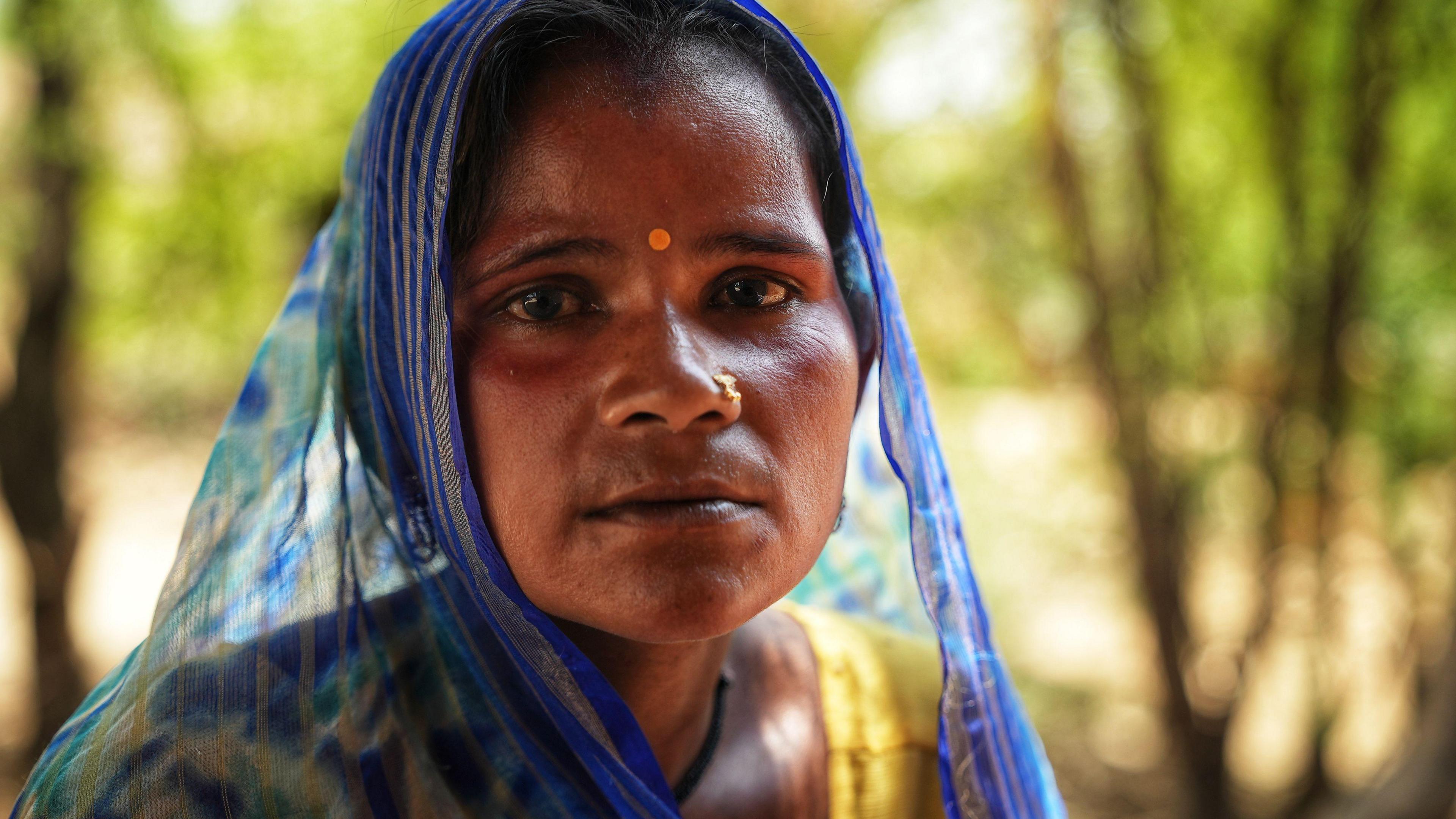
The heat in Bundelkhand, a dusty stretch of northern India, pushes everyday life into a frantic rhythm. Every morning, 40‑year‑old Mamta leaves her village in the village of Kalpi carrying three empty plastic buckets, headed for a handpump that has been dry for years but still holding the promise of water. The sun burns hard, temperatures climbing beyond 40°C, and she rushes before the dominant caste families finish their own fill for the day.
When she arrives, Mamta says the pump is often surrounded by powerful hand‑wearers who, according to village lore, supervise the water. If they are there, she knows she cannot fill her buckets and must wait until they leave. “It has been happening for decades,” she adds, as black‑laden buckets gather near the pump.
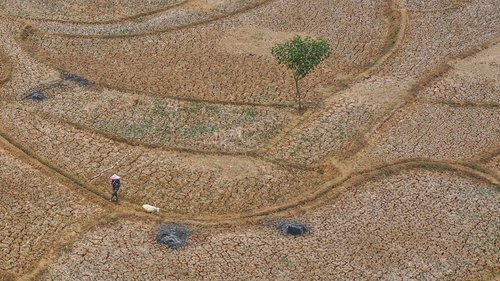
The region isn’t just hot – it is arid. The rocky Plateau of Bundelkhand barely stores groundwater, and with erratic rainfall the few taps left from state schemes go dry. Small communities therefore rely on a handful of handpumps, and the growing demand puts pressure on the remaining supply.
Meanwhile, activists say the scarcity is widening pre‑existing caste fractures. “Conflict over water isn’t new,” notes Mitashi Singh of the Centre for Science and Environment, “but hotter summers intensify the tension.” A check on local complaints shows 113 cases of caste injury in 2025, most tied to water disputes during May and June.
Local officials, however, deny the accusations, maintaining that nobody is denied water. They cite the Jal Jeevan Mission policy, aiming to drill every rural household in piped drinking water, and the revival of community ponds as evidence that the region has abundant supply.
Researchers caution that while building infrastructure is vital, it won’t fix deeper inequities. “Climate change is a threat multiplier,” says Mukul Sharma, a scholar on caste and environment politics. “If caste still determines who walks to a pump, more water alone won’t solve the injustice.”
For all the people still required to trek to a handpump daily, the water crisis remains a tough, unpaved challenge. It is a reminder that when nature turns hostile, the fight for vital resources often pushes out the already most vulnerable. The struggle in Bundelkhand may well shape the next wave of climate‑justice protests worldwide.