In brief
Driverless cars are already zipping through Beijing’s streets, and China’s EV powerhouse is turning the idea into a real service. The tech uses the same batteries, sensors and chips that power cheap electric cars, letting firms test and improve their systems faster than anywhere else. Chinese companies are racing ahead overseas, but safety glitches and tough regulations could slow the global rollout. In a competitive race against the U.S. leader Waymo, China’s robotaxis might soon redefine mobility worldwide.
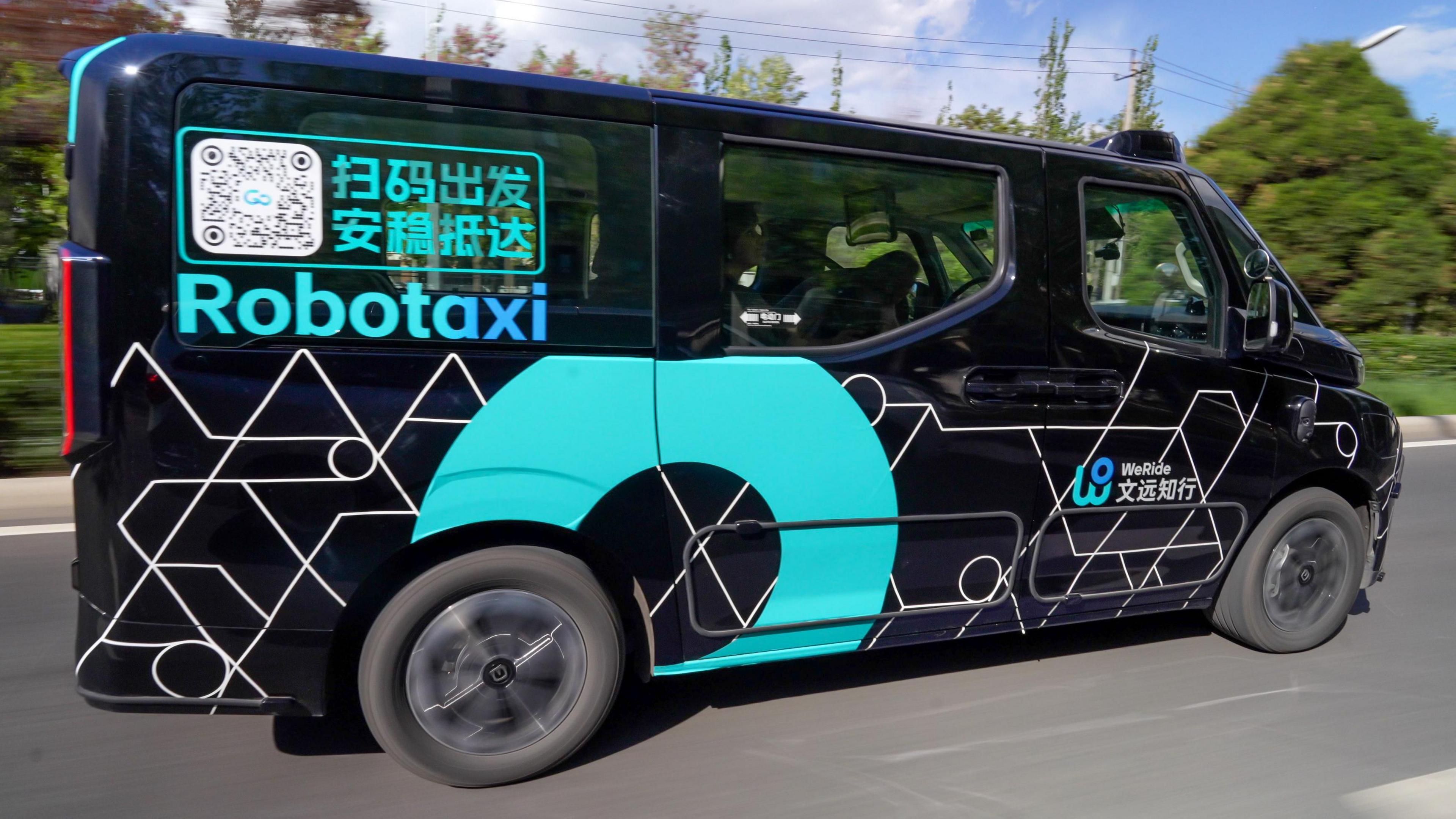
Imagine walking out of a supermarket in Beijing and pulling a driverless cab with a tap on your phone. That’s already happening on some city streets where robotaxis, like the WeRide, glide alongside bikes, scooters and traffic with little hesitation.
Why the rush?
China’s electric‑vehicle industry is built on a huge ecosystem: car makers like BYD and Geely supply cheap batteries, while software firms pile on autonomous tech. The same parts and sensors the cars use also power driverless systems, cutting costs and speeding up research.
With giant firms such as Baidu, WeRide and Pony.ai already in the race, the question is whether this momentum can turn robotaxis into another commercial success—just as China’s EVs dominated the market.
The US‑China Showdown
Waymo, part of Google’s parent Alphabet, is the current leader in the U.S., offering paid driverless rides in several cities. Chinese firms partner with U.S. ride‑hailing giants like Uber and Lyft to swell their user base, but face tougher safety lawsuits and data‑privacy concerns overseas.
Safety hiccups—such as Baidu’s robotaxi software glitch that trapped 100 cars in Wuhan—flash doubts, while regulatory hurdles and mapping challenges can slow expansion outside China.
The Road Ahead
Beyond tech, the government promotes robotaxis as part of building a “high‑tech economy” that can help aging workers and boost growth. If the cost of a robotaxi ride can beat an Uber trip, it could open mobility for people who can’t drive, including the elderly and disabled.
In short, China’s robotaxis could become the next big wave in transport—if they overcome safety barriers and regulatory tight‑ropes.