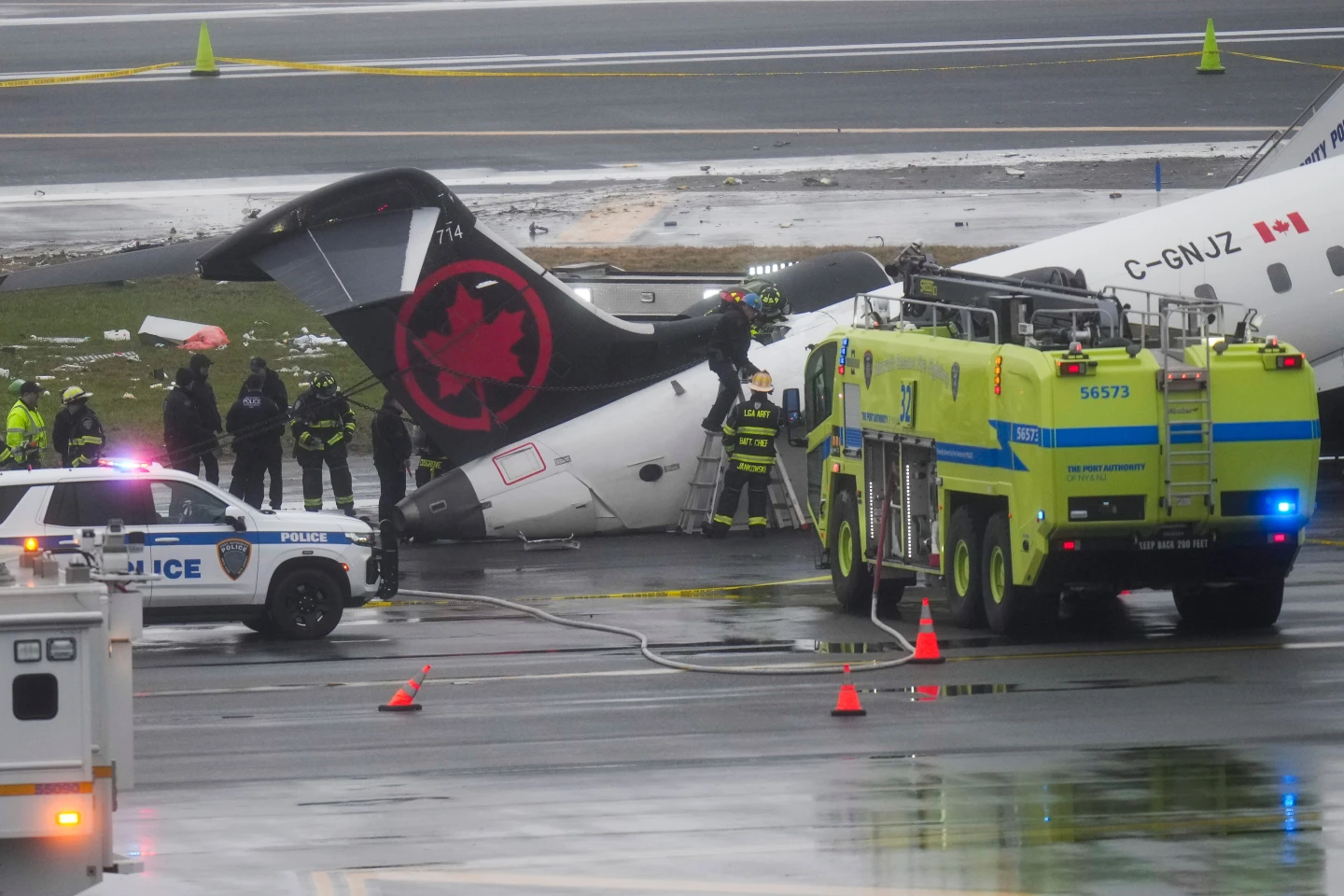
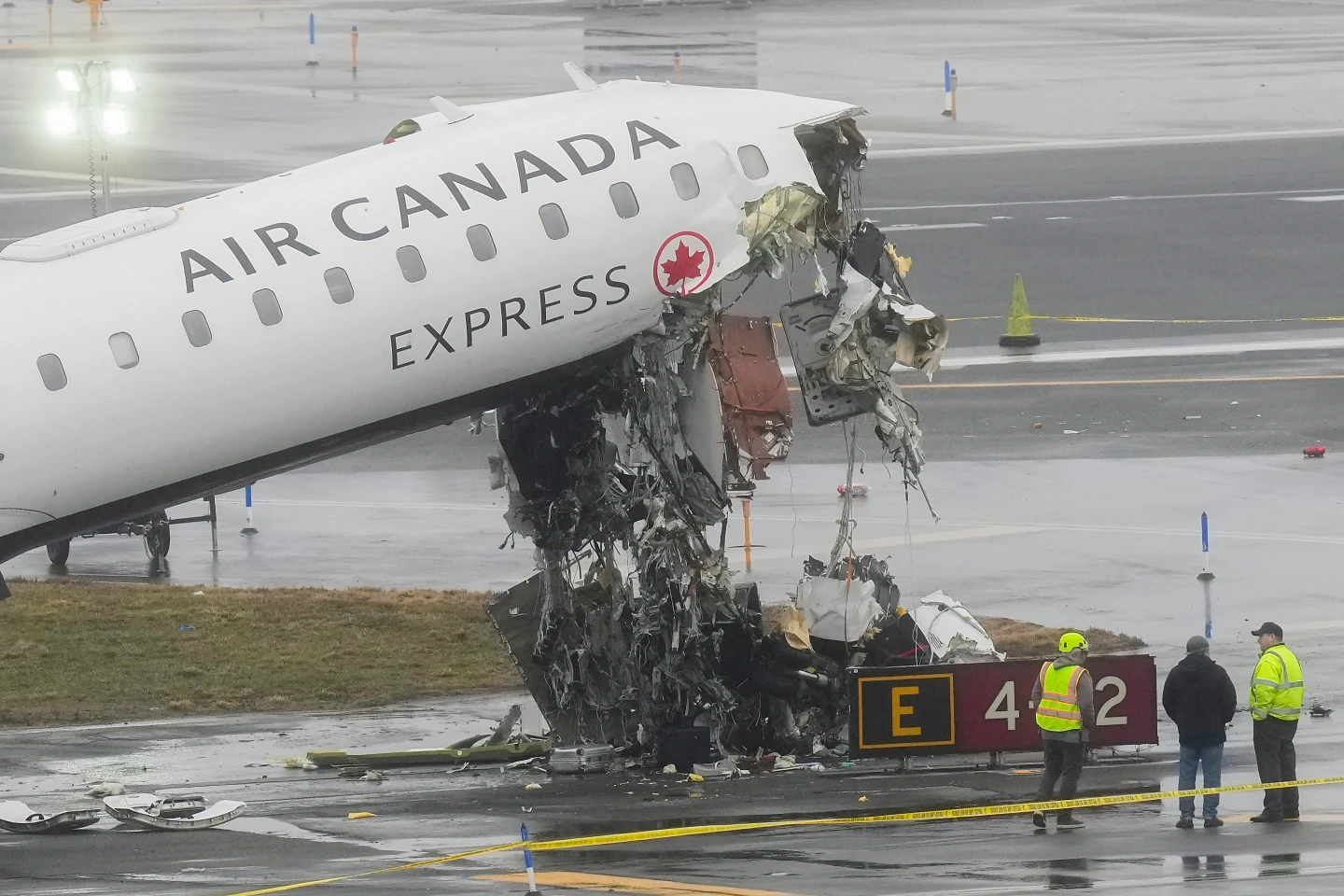
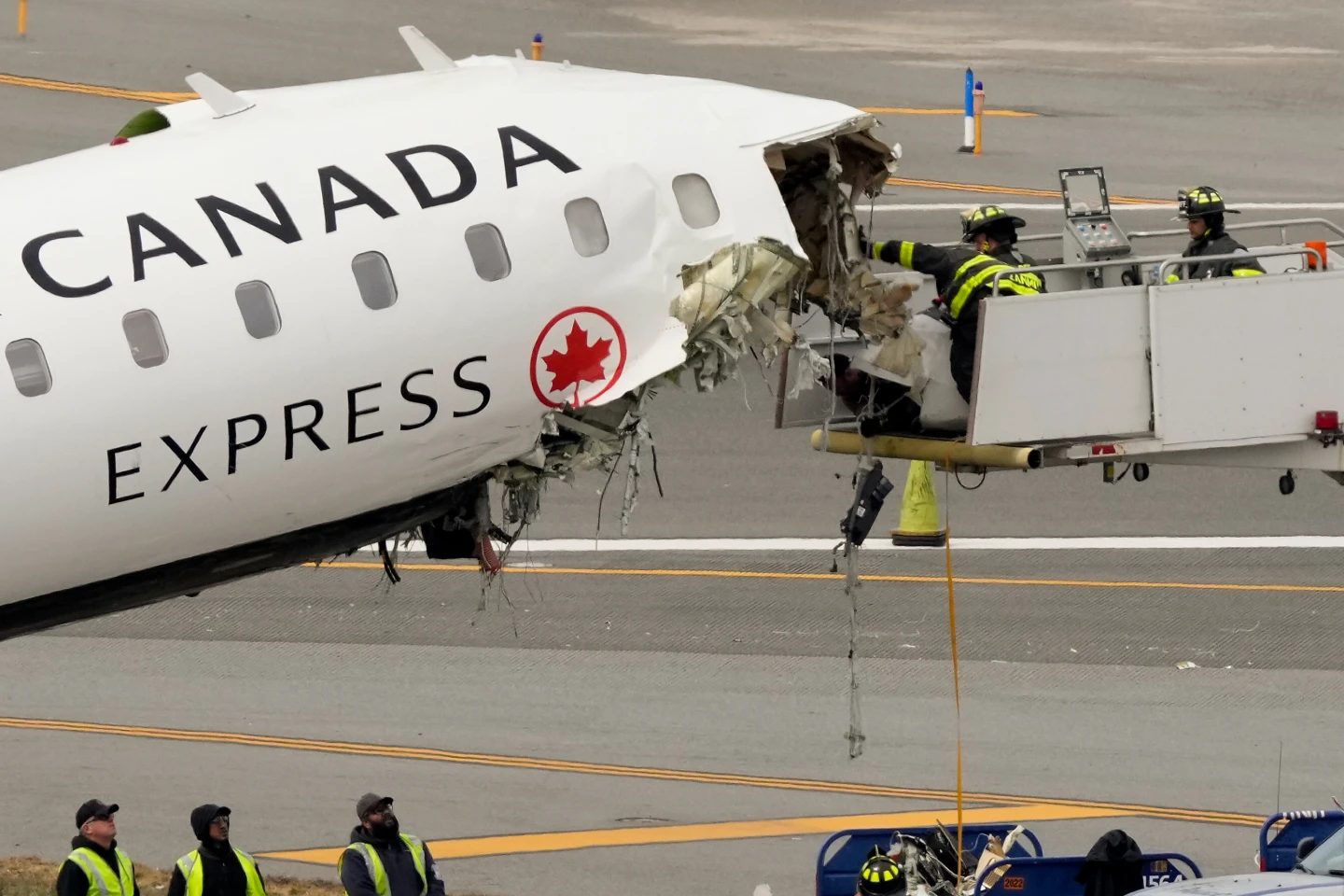
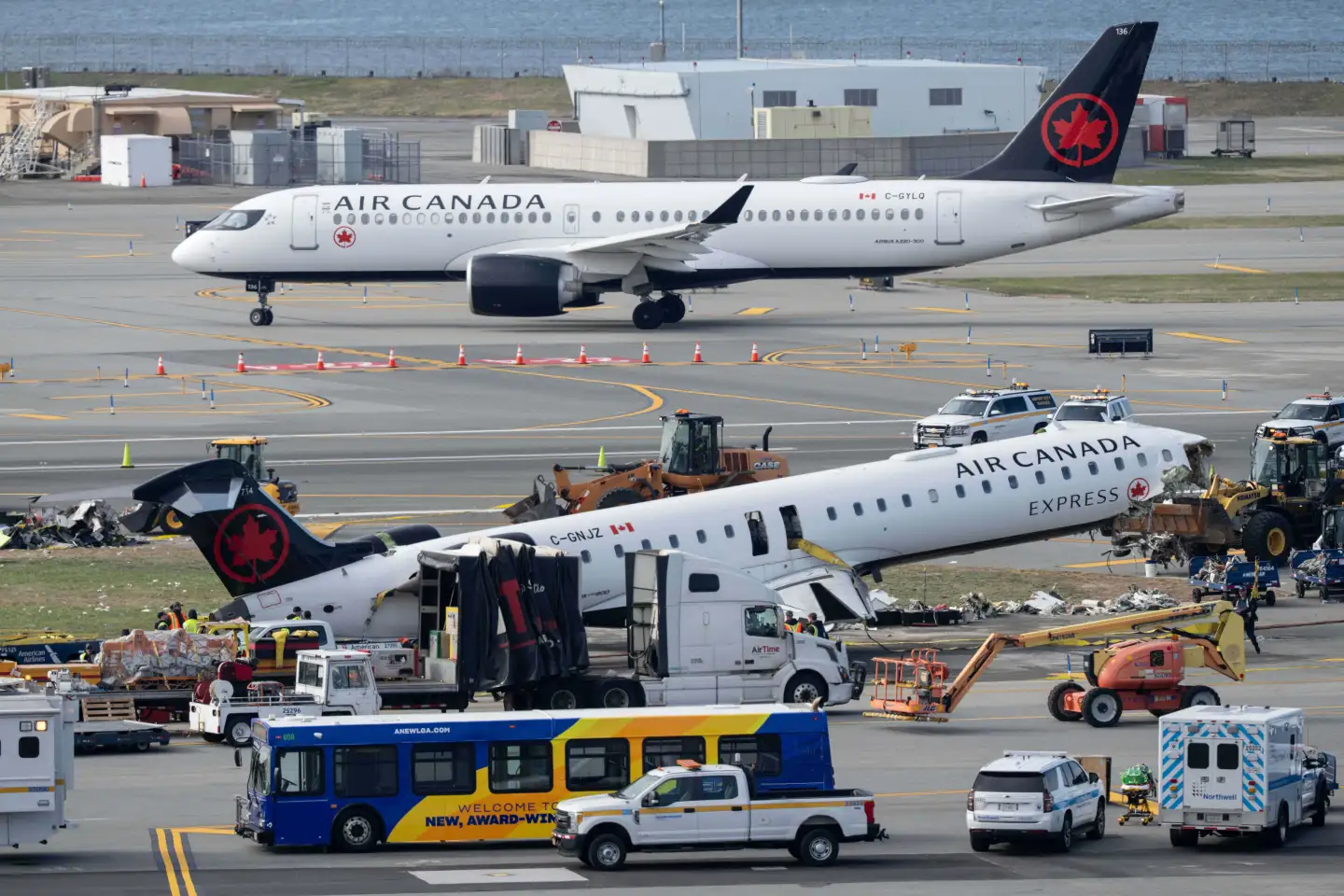
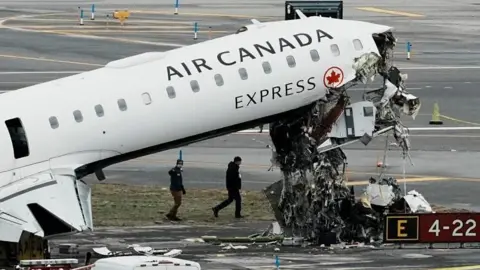
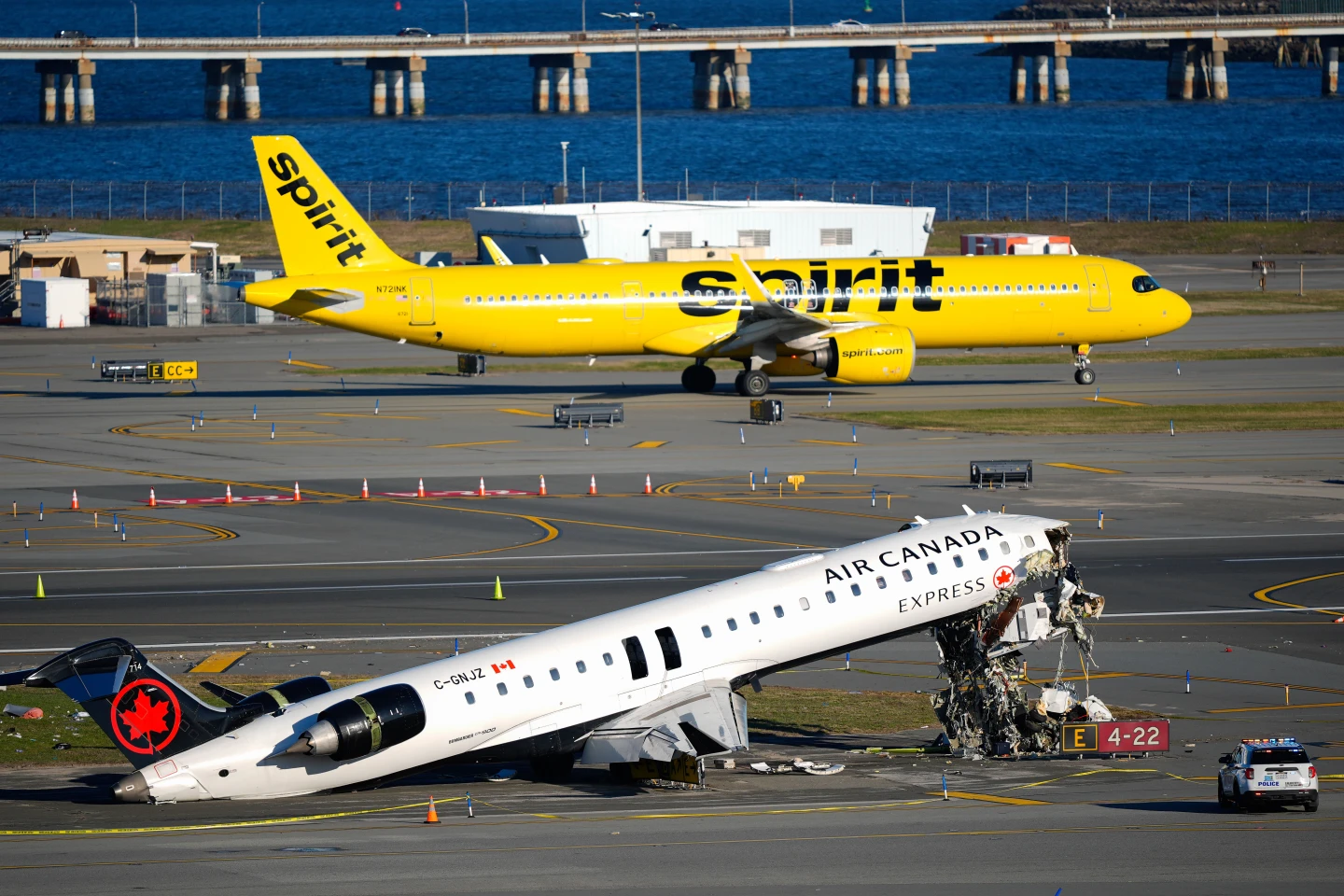
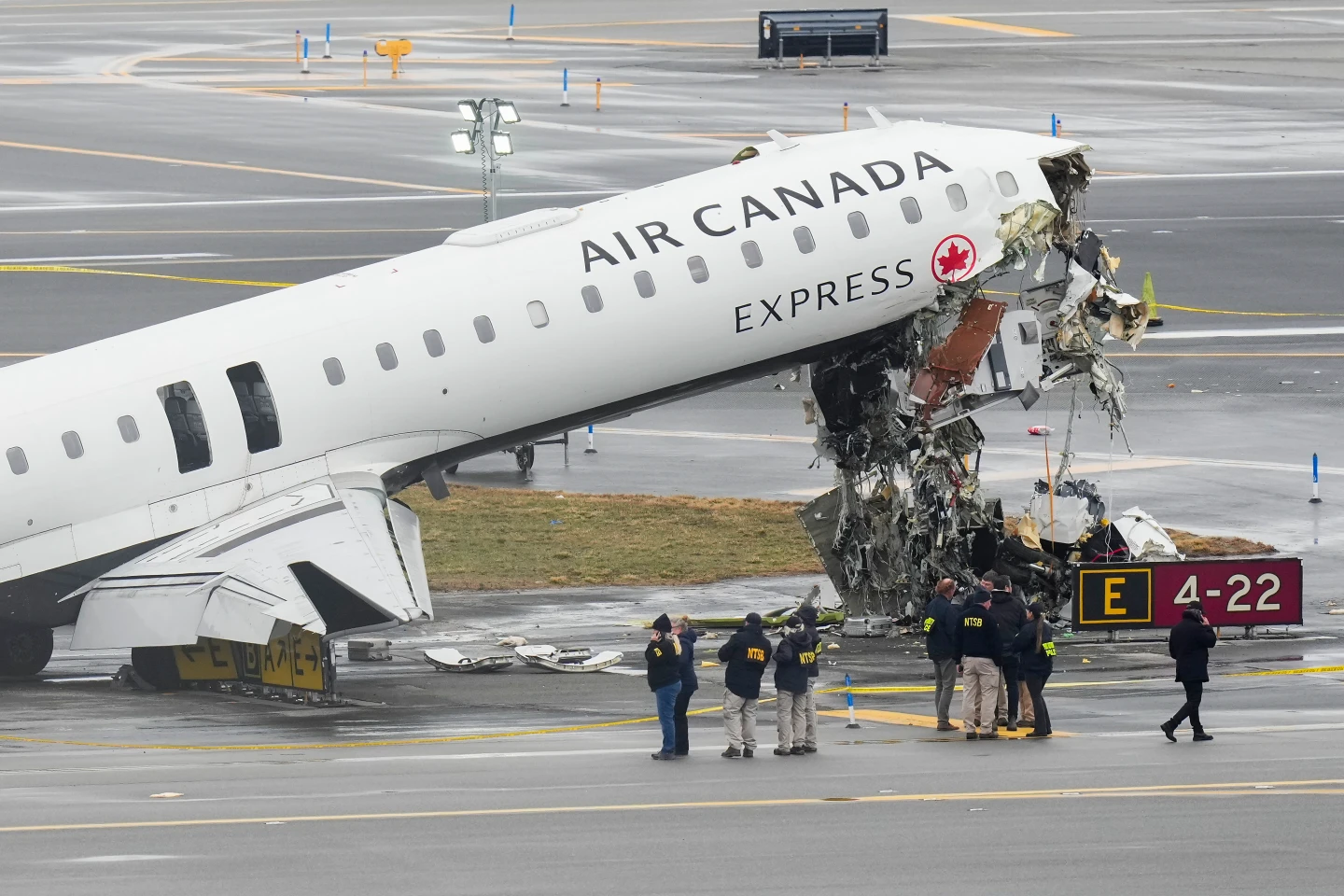
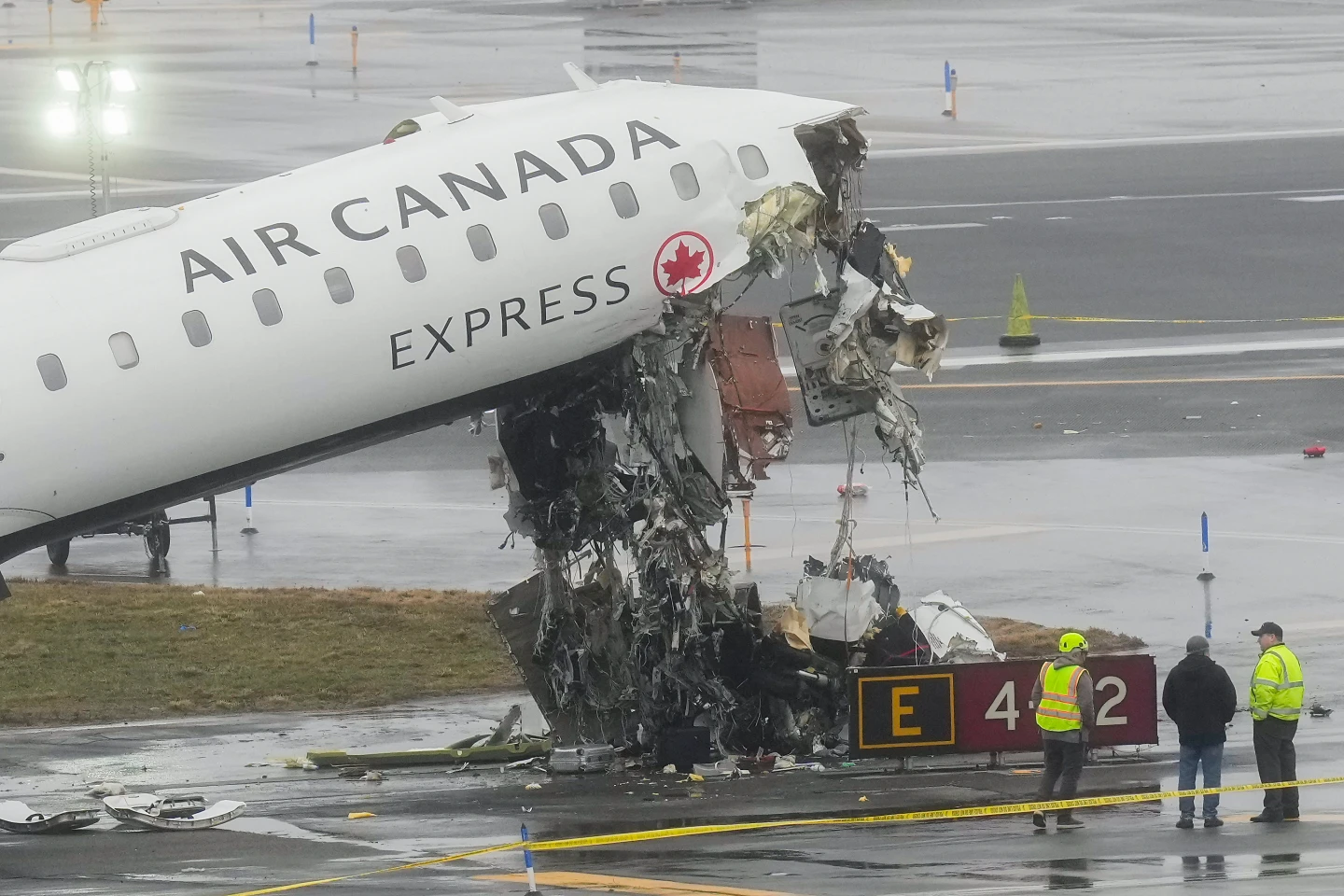
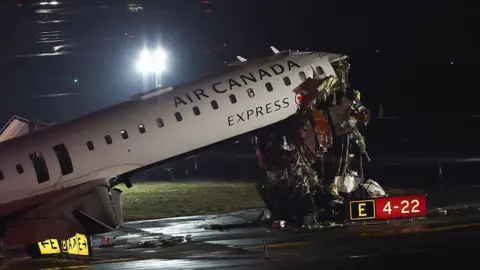
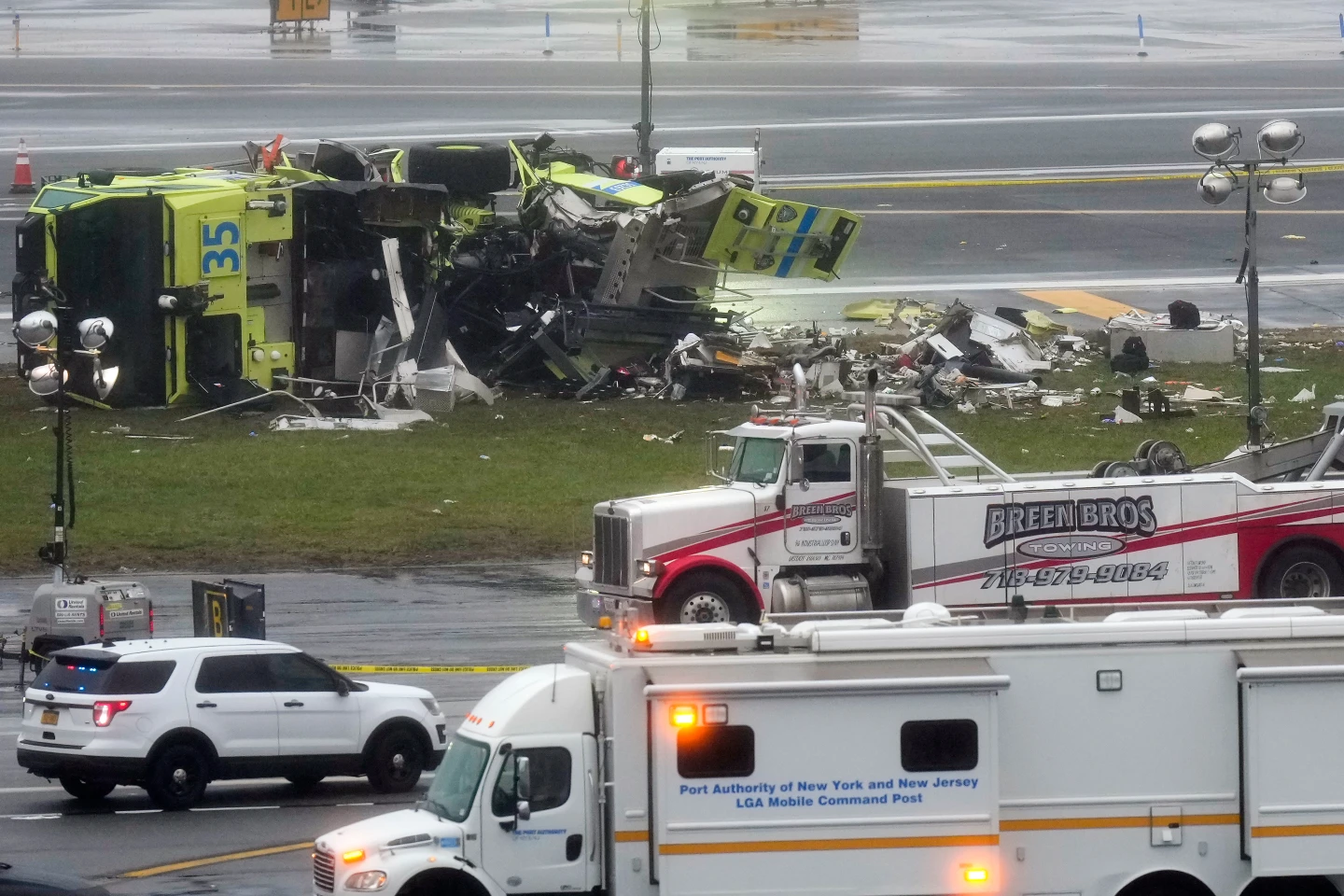
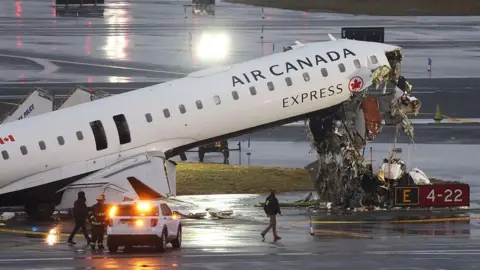
The systems at New York’s LaGuardia Airport intended to prevent collisions on the runway recently failed when an Air Canada flight landed and collided with a fire truck. The ongoing investigation by the National Transportation Safety Board (NTSB) is focused on why the Airport Surface Detection System (ASDE-X) did not trigger an alarm in this critical moment, despite its previous track record of averting similar accidents. This incident resulted in the tragic loss of both pilots and injuries to many. Experts are examining several contributing factors, including the lack of transponders on the fire truck and the chaotic situation due to emergency calls nearby. Although ASDE-X is one of many layers of safety measures, this incident highlights the need for improvements in standardized safety protocols at airports.
Collision at LaGuardia: What Went Wrong?
Collision at LaGuardia: What Went Wrong?
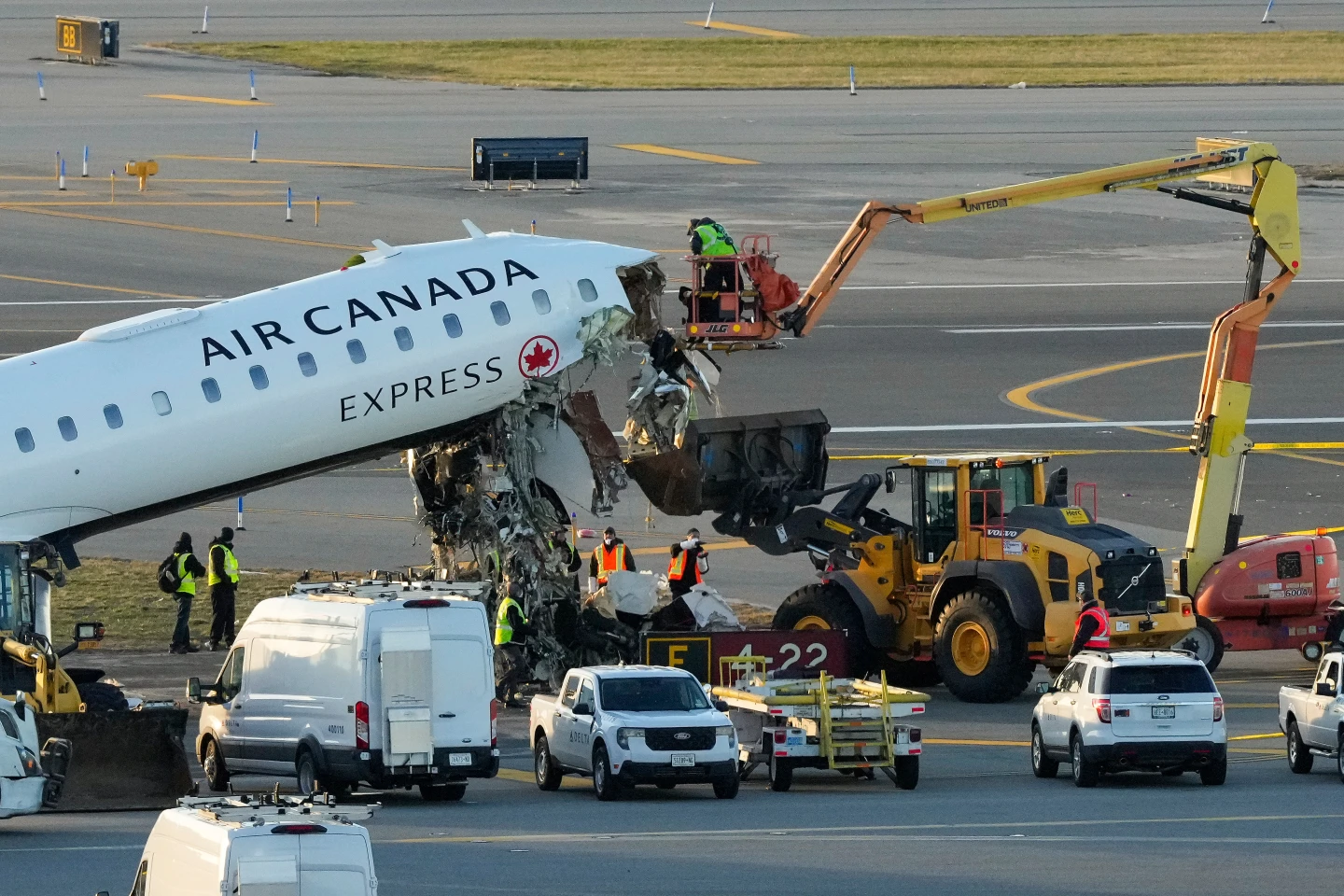
A recent runway crash involving an Air Canada jet and a fire truck at LaGuardia Airport has raised serious concerns about aviation safety systems. Here's what we know.
A tragic incident occurred at LaGuardia Airport when an Air Canada plane collided with a fire truck on the runway, leading to the death of both pilots. Initial investigations by the NTSB indicate that an airport safety system designed to prevent such collisions failed to warn about the impending danger. Factors contributing to the crash include a lack of proper transponders on emergency vehicles and possible distractions during the critical moment. Experts emphasize that while safety systems like ASDE-X have previously prevented accidents, no single system is foolproof, highlighting the need for continuous improvements in aviation safety protocols.