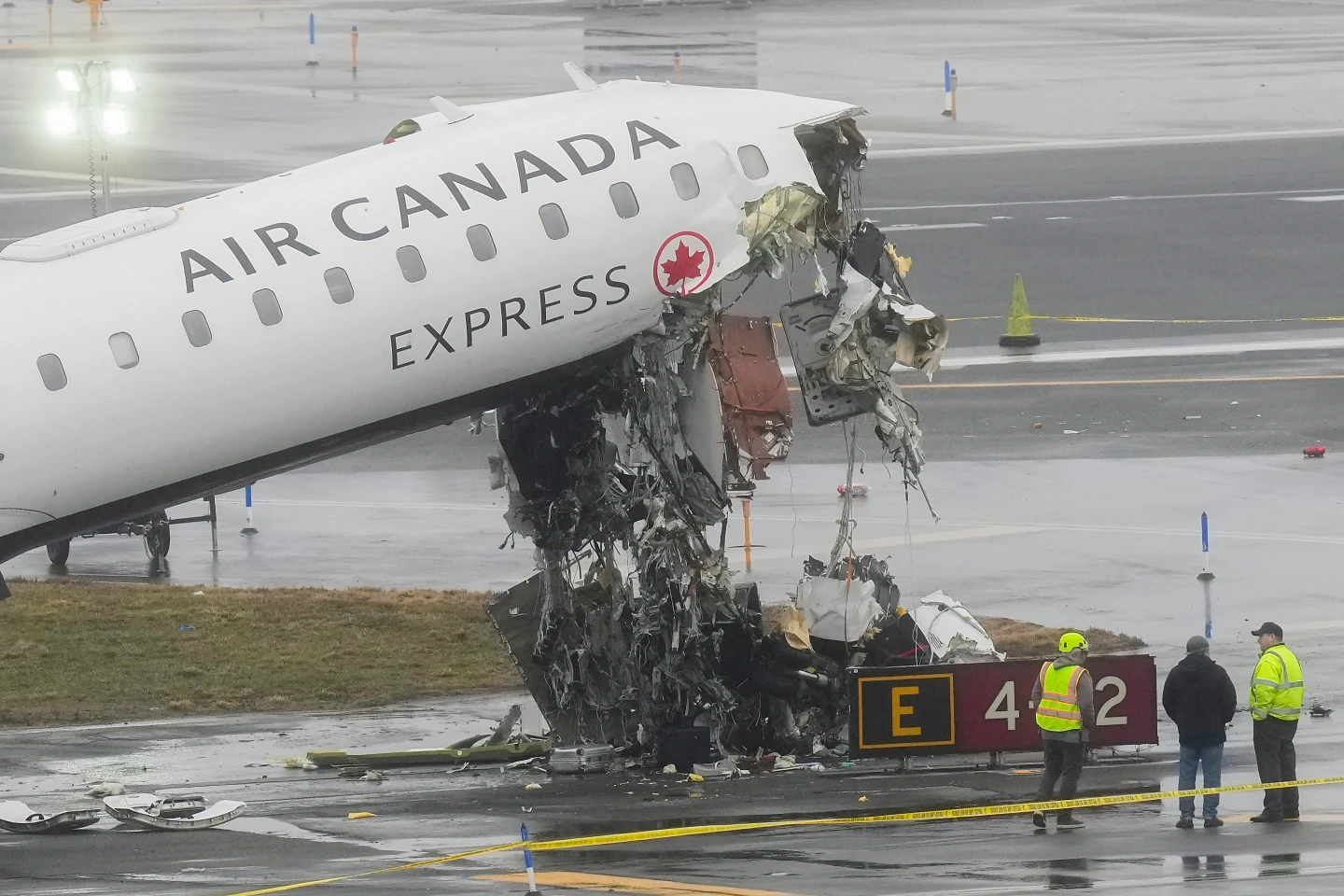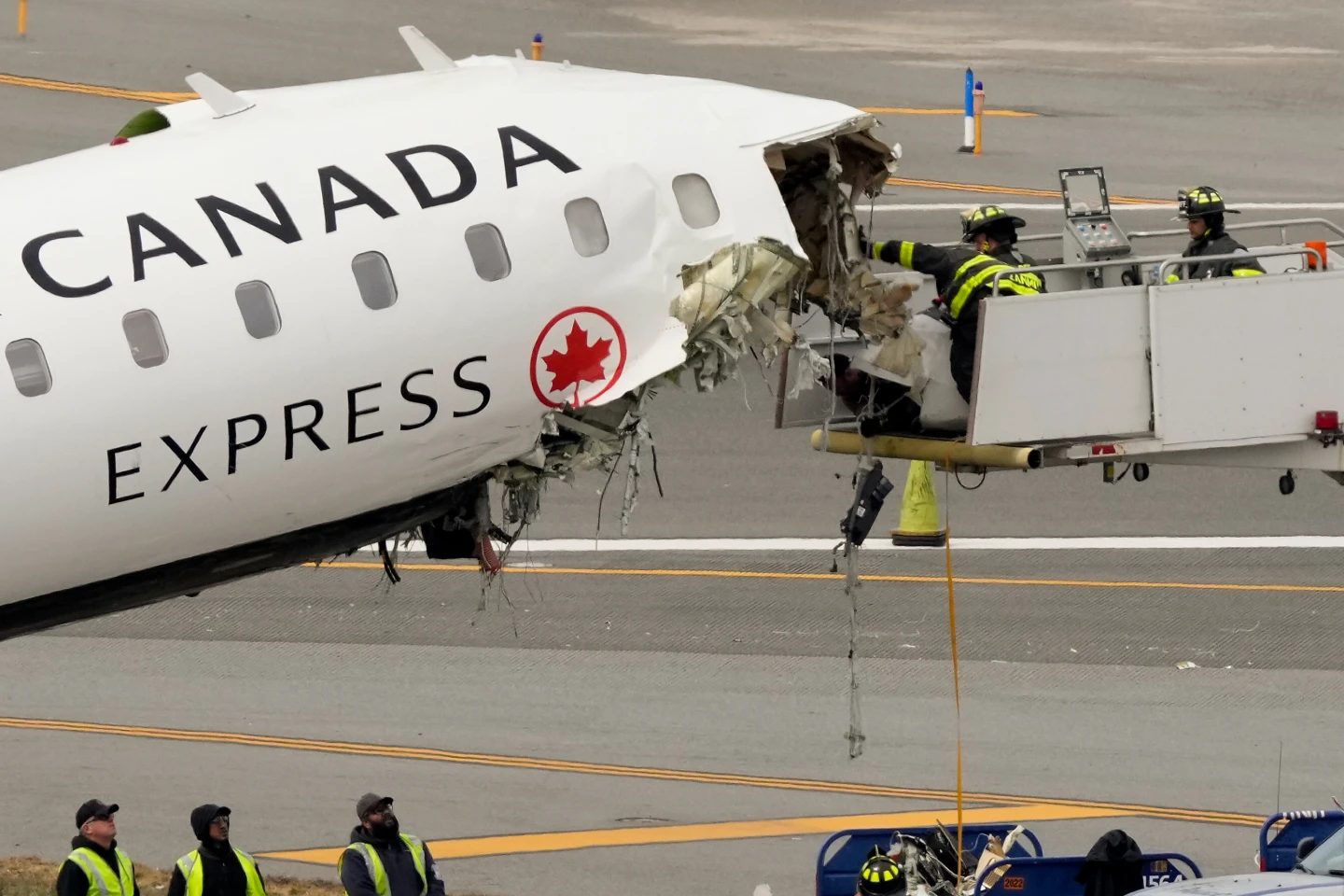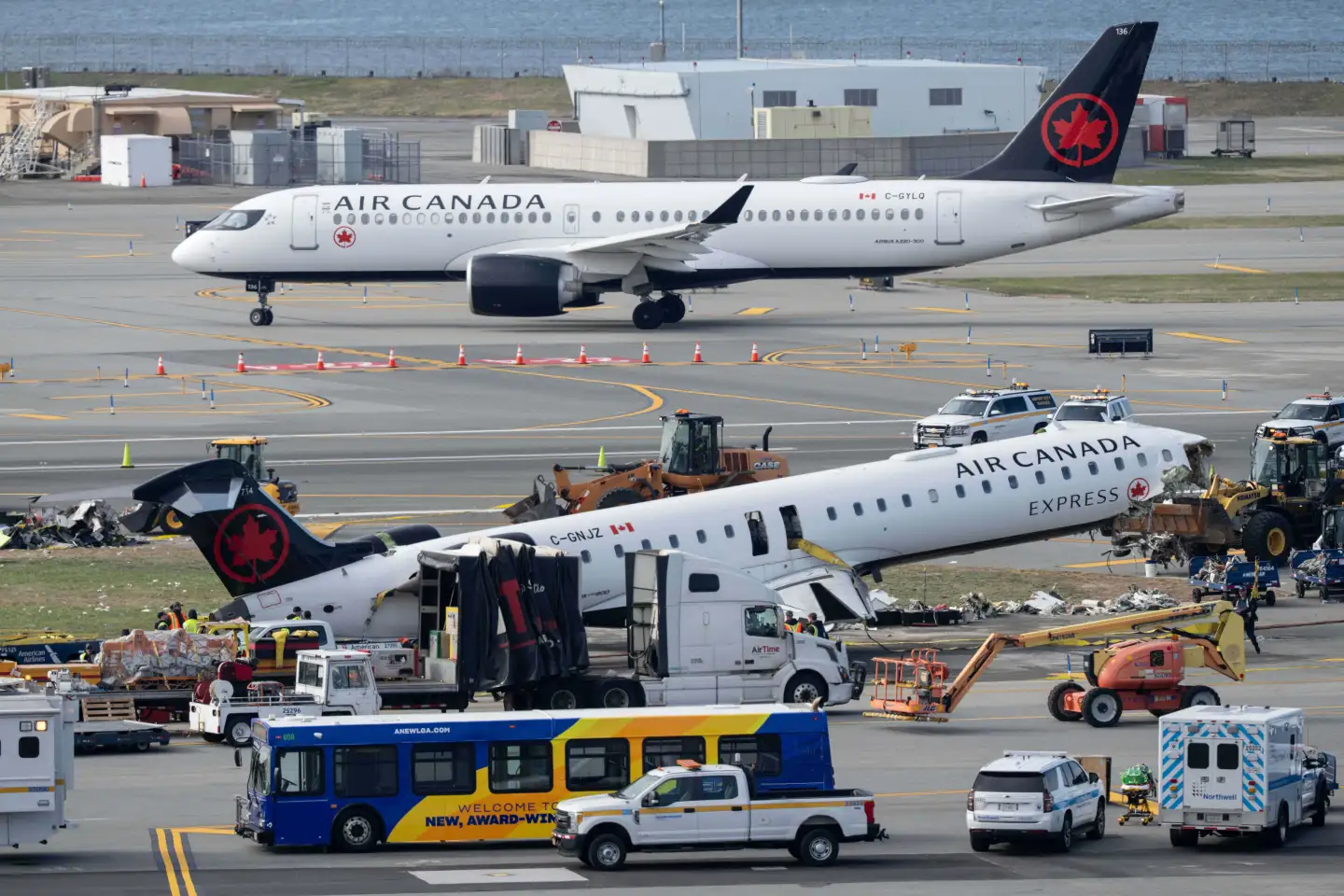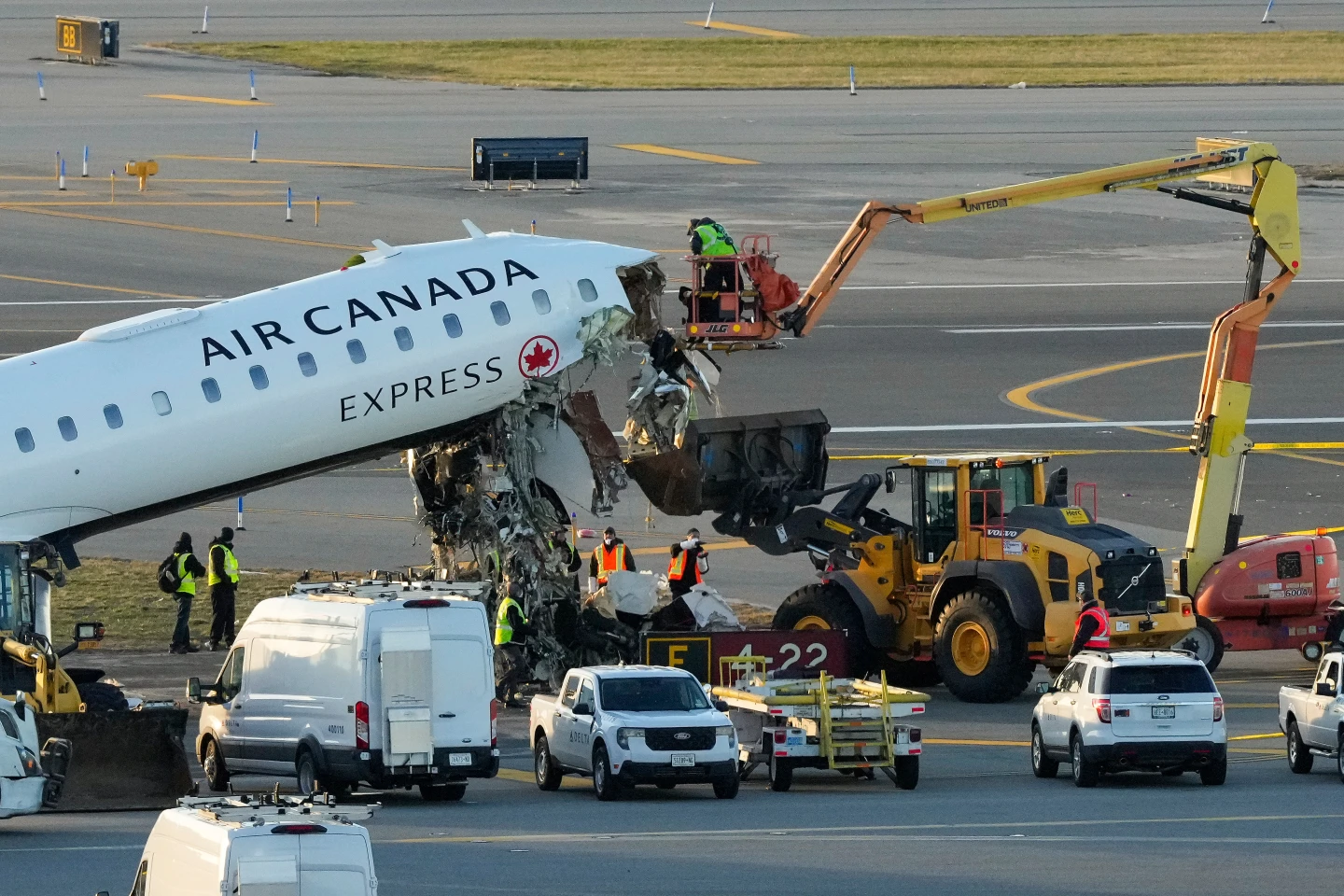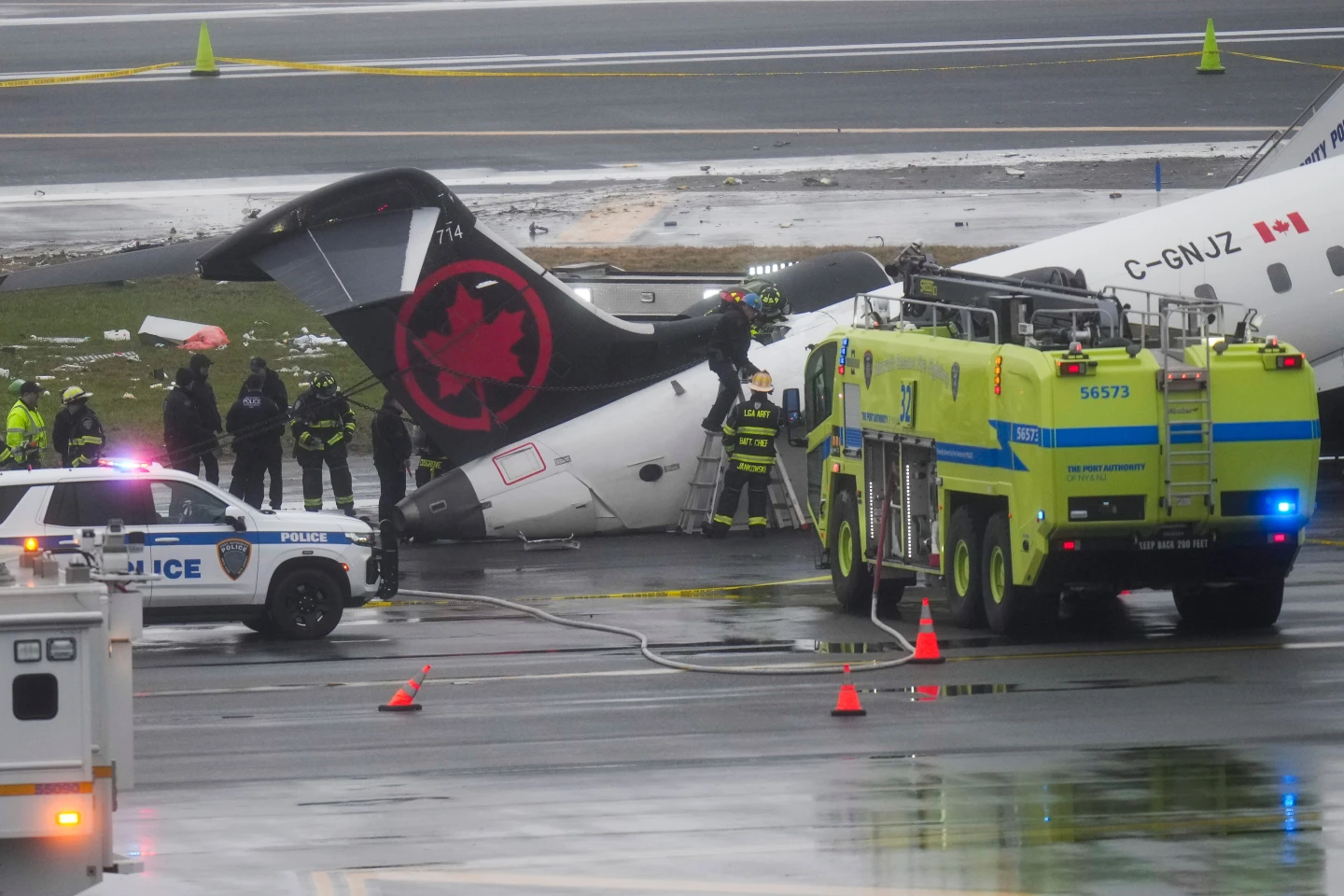
Federal investigators have released a detailed report on the tragic crash at LaGuardia Airport that occurred last month, where an Air Canada Express flight collided with a fire truck on the runway.
According to the National Transportation Safety Board (NTSB) report, the fire truck disregarded airport signals and did not have a transponder, which is essential for the crash warning system. This incident resulted in the deaths of two pilots and injuries to 39 others.
On the night of the crash, LaGuardia's air traffic controllers were overwhelmed due to twice the normal number of flights and an emergency incident involving another plane. The report emphasizes the challenges faced by air traffic controllers at the time, as they dealt with significant operational pressures.
Key Points from the NTSB Report
1. **Busy Air Traffic Conditions**: Two controllers were managing an exceptionally high volume of arrivals and departures due to delays, while responding to an emergency situation.
2. **Lack of Communication**: Controlling ground vehicles was mixed with authorizing takeoffs and landings, leading to critical communication breakdowns.
3. **Safety System Failures**: The fire truck lacked a transponder, making it difficult for the radar to identify and track its location, which contributed to the collision risk.
4. **Runway Signals Ignored**: Despite red warning lights indicating a plane was approaching the runway, the fire truck was still cleared to cross. This occurs often when communication lacks clarity.
5. **Regrettable Timing of Commands**: Just moments before the crash, controllers shouted for the fire crew to stop, but the initial commands were ambiguous, leading to delayed actions.
The LaGuardia incident marks the first fatal crash at the airport in over three decades, prompting calls for further safety measures and investigations into operational protocols to prevent such tragedies in the future.