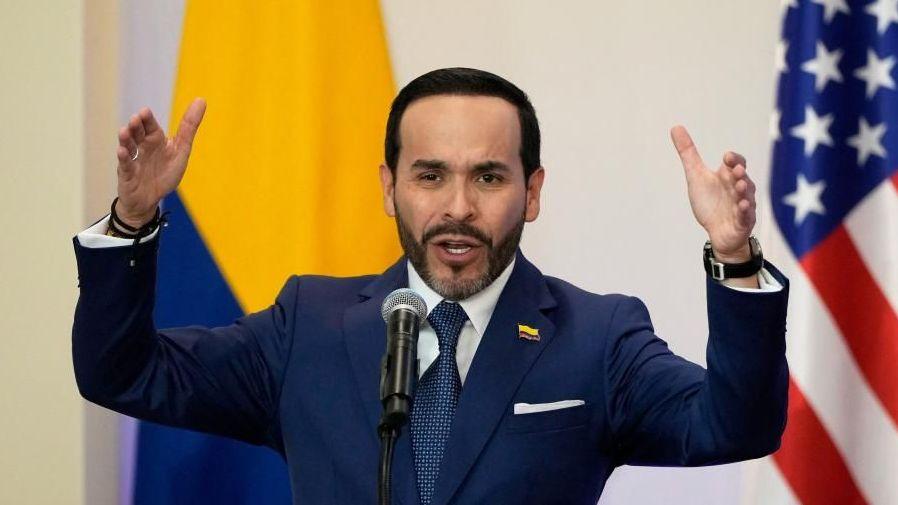
Colombia’s new president Abelardo de la Espriella signed a decree easing a long‑running ban on carrying legal firearms in public. The decision, a fulfillment of his campaign promise to crack down on crime, removes an extension that had been in force since 2015. How it works: People who already have a valid permit to carry a gun can now take it out of their homes without seeking extra authorisation, although they must keep their licenses current. The decree recognises that the ban was originally intended as a temporary measure for the holiday season but had been extended yearly by former presidents from both the left and the right.
De la Espriella stated that the law will not create a “free‑for‑all” environment. He promised continued strict oversight over who owns firearms, pointing to police efforts that have seized more than 15,000 illegal weapons this year—primarily from factions of the former Farc rebels and the Gulf Clan gang.
The decree directly affects almost 700,000 citizens who are already legally armed. Pro‑gun supporters say it balances the right to self‑defence with legal safeguards. Opposition, including Green Alliance Party Senator Ariel Ávila, labeled the change a “grave error” that could end up in the hands of criminals. De la Espriella, however, argues that the move may reinforce public safety by allowing law‑abiding citizens to defend themselves while the state continues to target unlawful arms.
The change comes amid Colombia’s broader strategy to reduce violence and enhance security. While some fear it could empower armed groups, the president maintains that strengthening enforcement and keeping ownership restrictions tight will protect the country’s public safety. The new decree marks a significant shift in Colombia’s approach to gun control, potentially reshaping how citizens and authorities interact with firearms across the nation.